Jewelry 3D Printing
3D Printing for Jewelry Retailers & Casting Houses
From retailers and designers producing custom jewelry to large casting houses manufacturing at scale, jewelers can scale their business with Formlabs’ reliable ecosystem of jewelry products.
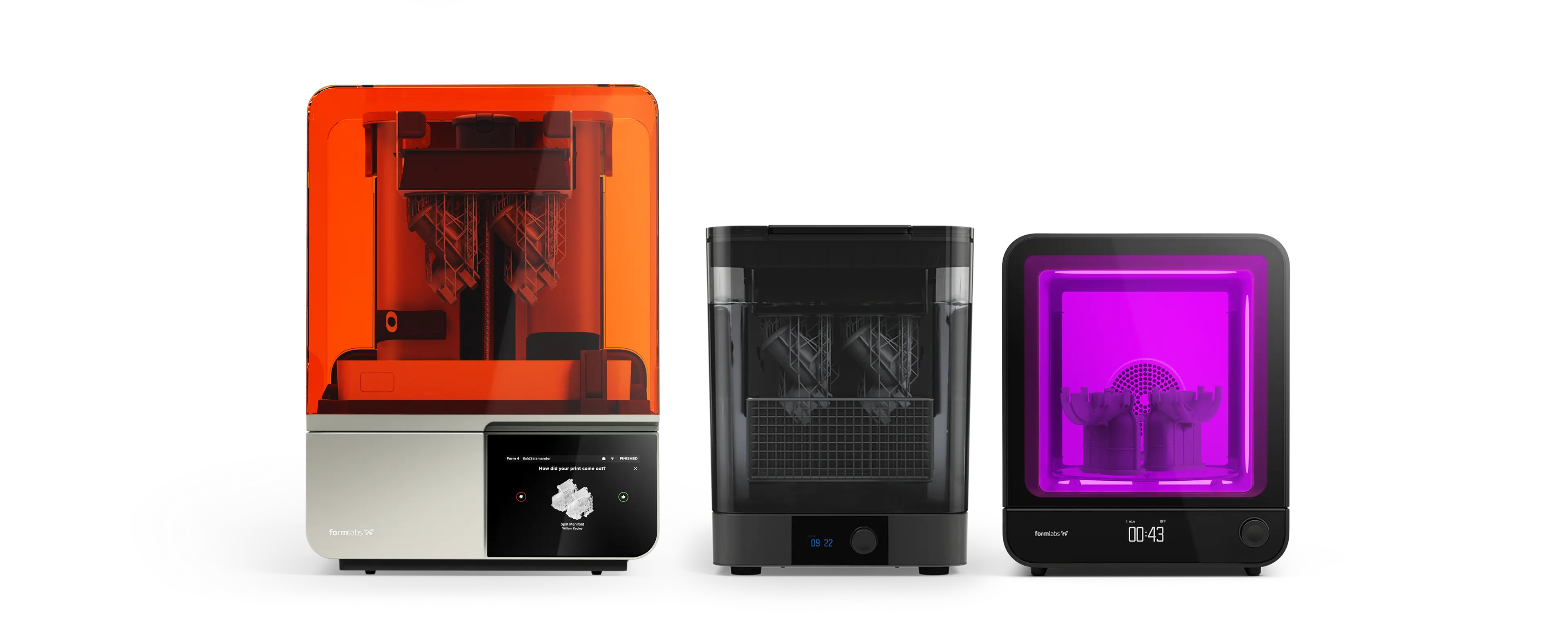
A Complete 3D Printing Solution for Jewelry
Formlabs SLA 3D printers' seamless print process, high accuracy, and smooth surface finish allow you to move directly from design to production. Whether you are 3D printing try-on pieces for customers, ready to cast custom jewelry, or masters for reusable jewelry molds, Formlabs offers a material up to the task.
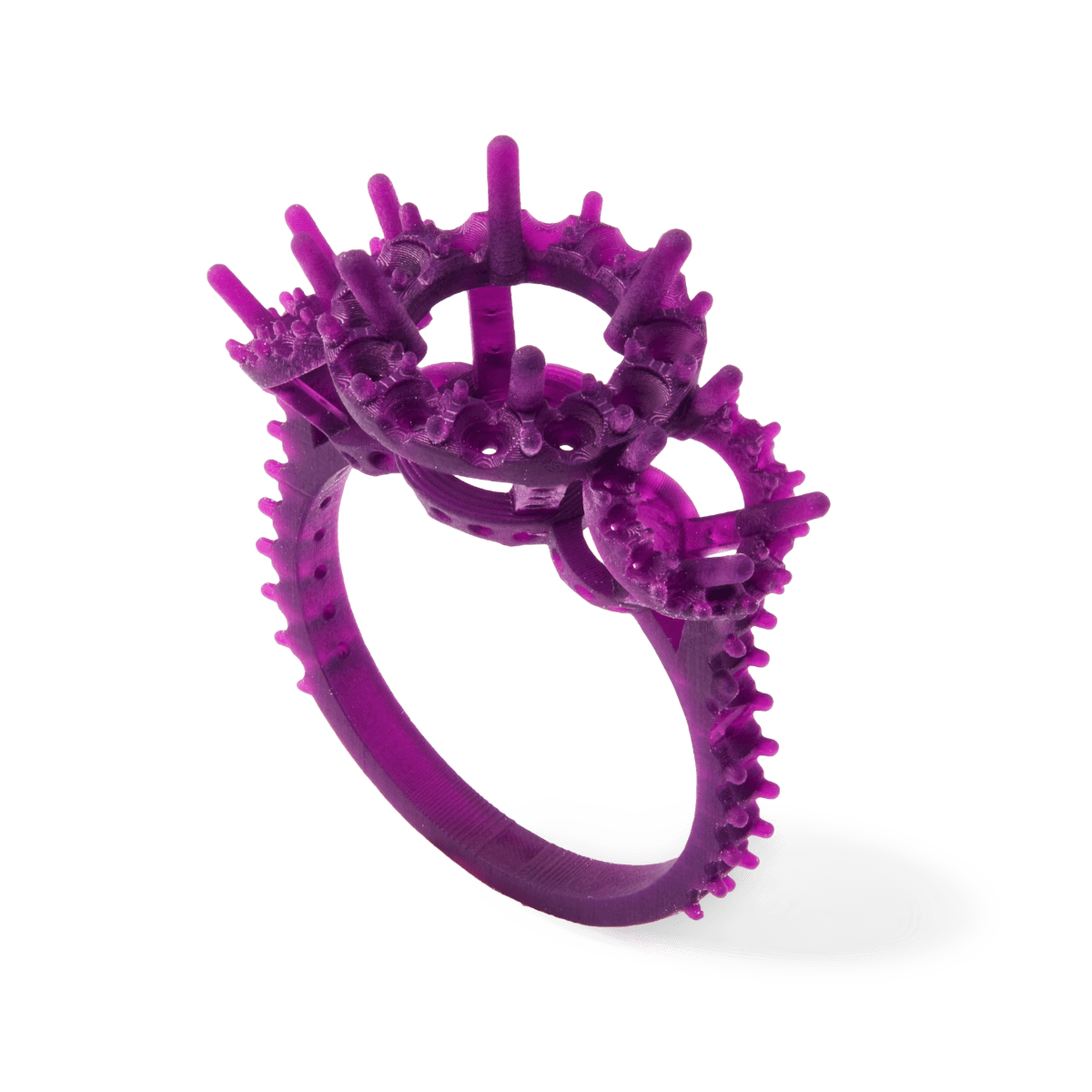
Castable Wax Resin is a 20% wax-filled material for casting that can capture intricate features and offers a smooth surface finish for accurate castings with zero ash content and clean burnout. It is ideal for ultrafine structures in jewelry.
Castable Wax Resin offers high strength and stiffness, making it capable of printing ultrafine structures. The high green strength ensures excellent shape retention for thin patterns such as wire filigree.
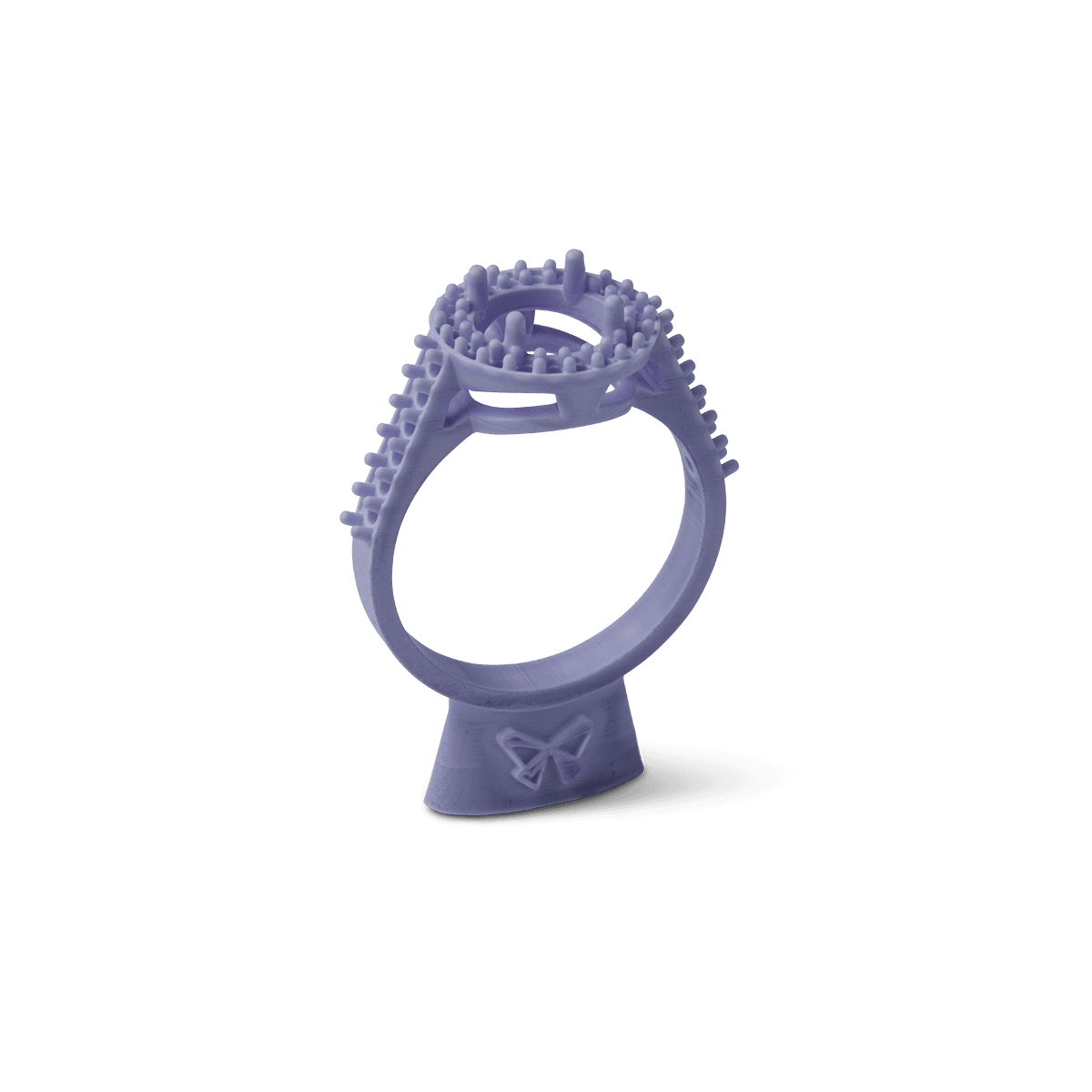
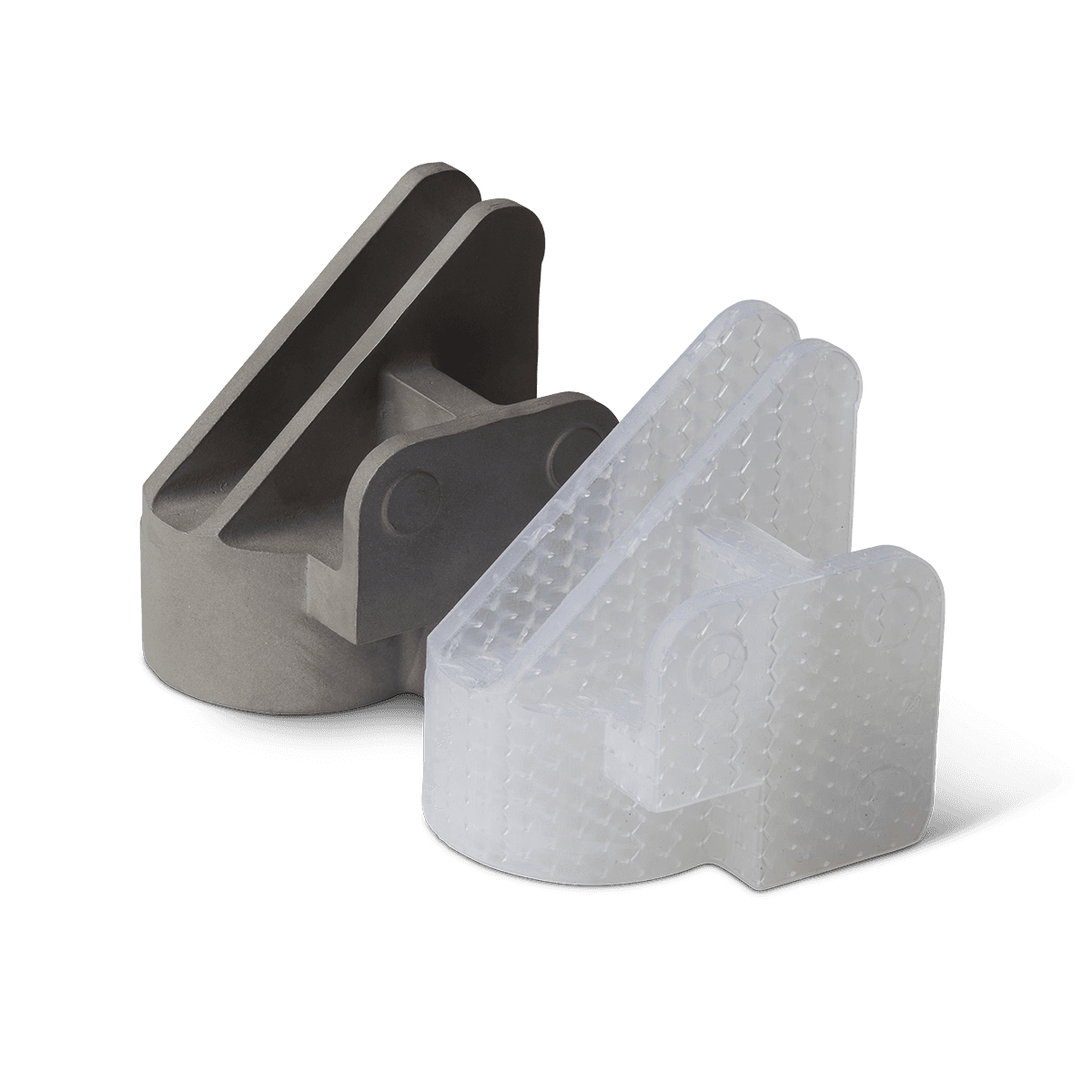
True Cast Resin is a wax-filled material designed for precision casting of intricate jewelry to complex engineering components up to 5 mm thick. It delivers highly accurate parts with exceptional detail and smooth surfaces.
Engineered for reliability, quality, and versatility, True Cast Resin integrates easily into a wide range of burnout schedules. Low thermal expansion, minimal shrinkage, and 0.03% ash content ensure clean burnout and consistently excellent casting outcomes.
Fine filigree
Lightweight jewelry
Dental
Medium to heavy jewelry
Medallions
Figurines
Small engineering components up to 5 mm thick
Form 2
Form 3/B/+
Form 3L/BL
Form 4/B
Form 4L/BL
Form 4/B
Why Go Digital?

Lower Costs
Avoid the high up-front investment of tooling and reduce labor costs.

Faster Turnaround Time
Produce high-quality patterns within 24 hours.
Design Freedom
Create intricate shapes that would be difficult to achieve with wax molding.
Investment Casting with True Cast Resin
Create castable parts in hours, cutting down on manual labor. Formlabs SLA 3D printers' rapid print process, accuracy, and surface finish allow you to move directly from design to production.
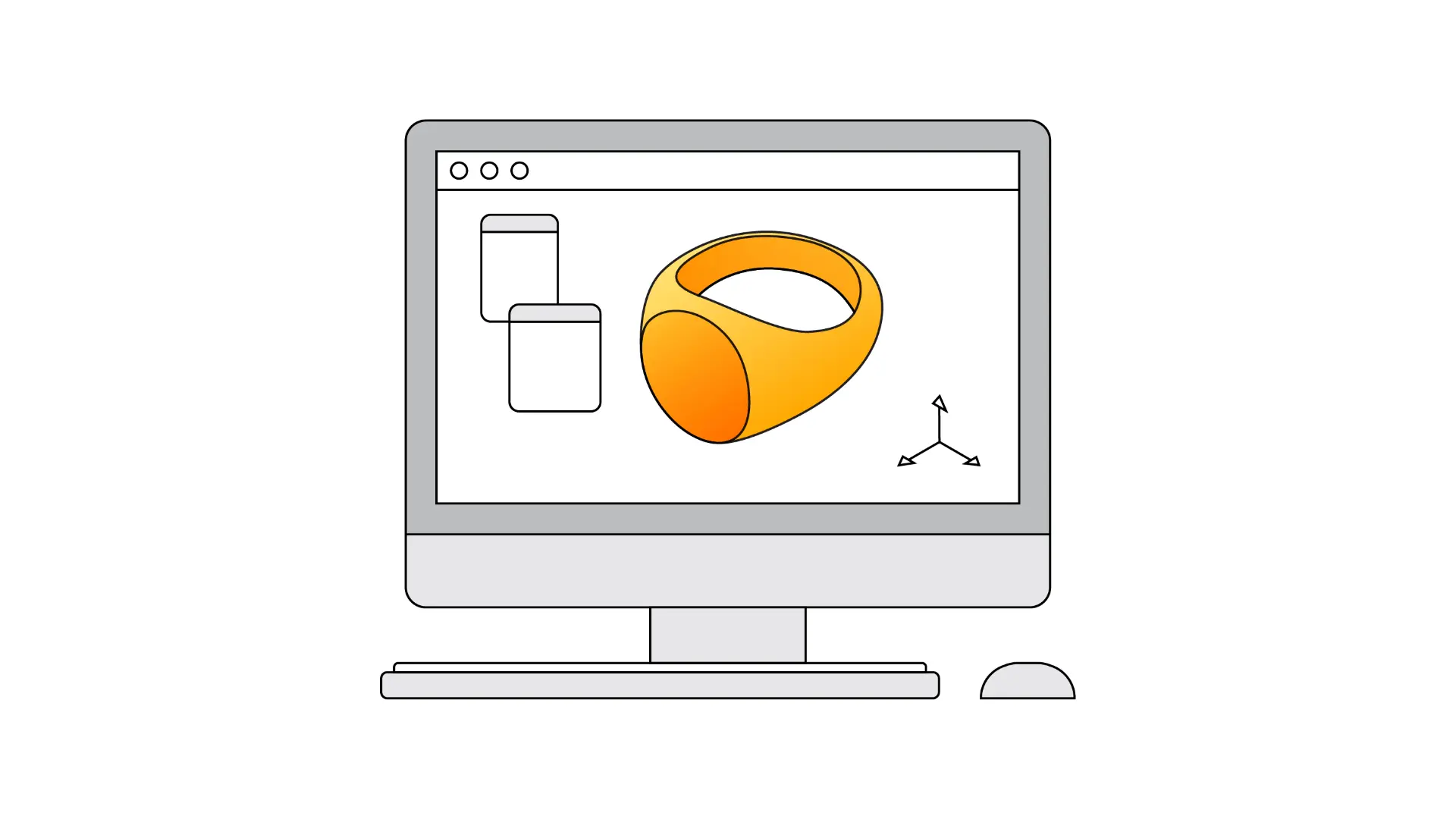
1. Pattern Design
Design the part in CAD software. Find design guidelines and best practices in the True Cast Resin Application and Usage Guide.
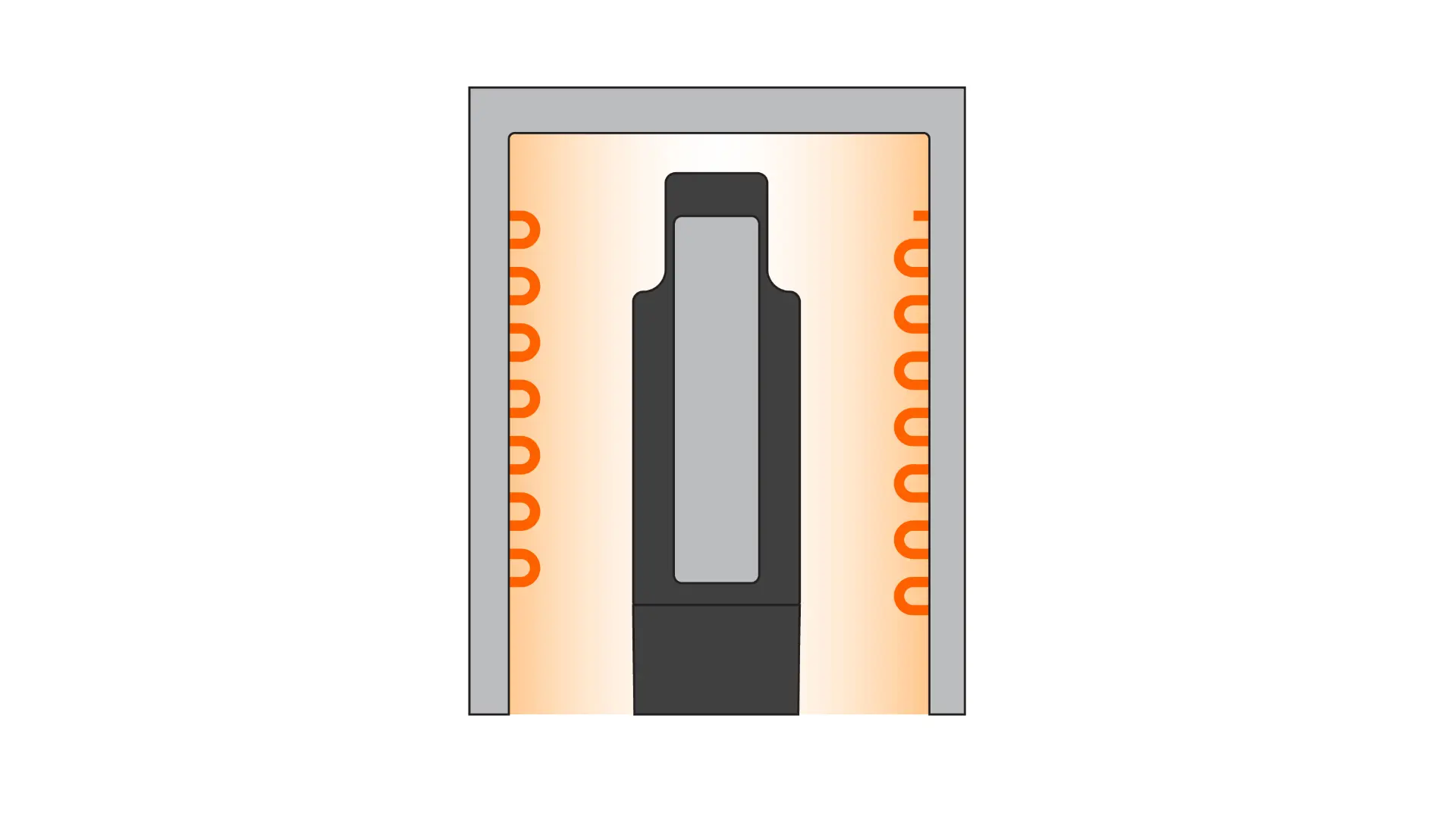
2. Pre-Heat and Mix Resin
Heat and then mix the resin prior to printing to ensure that the wax component is completely liquid and evenly dispersed.
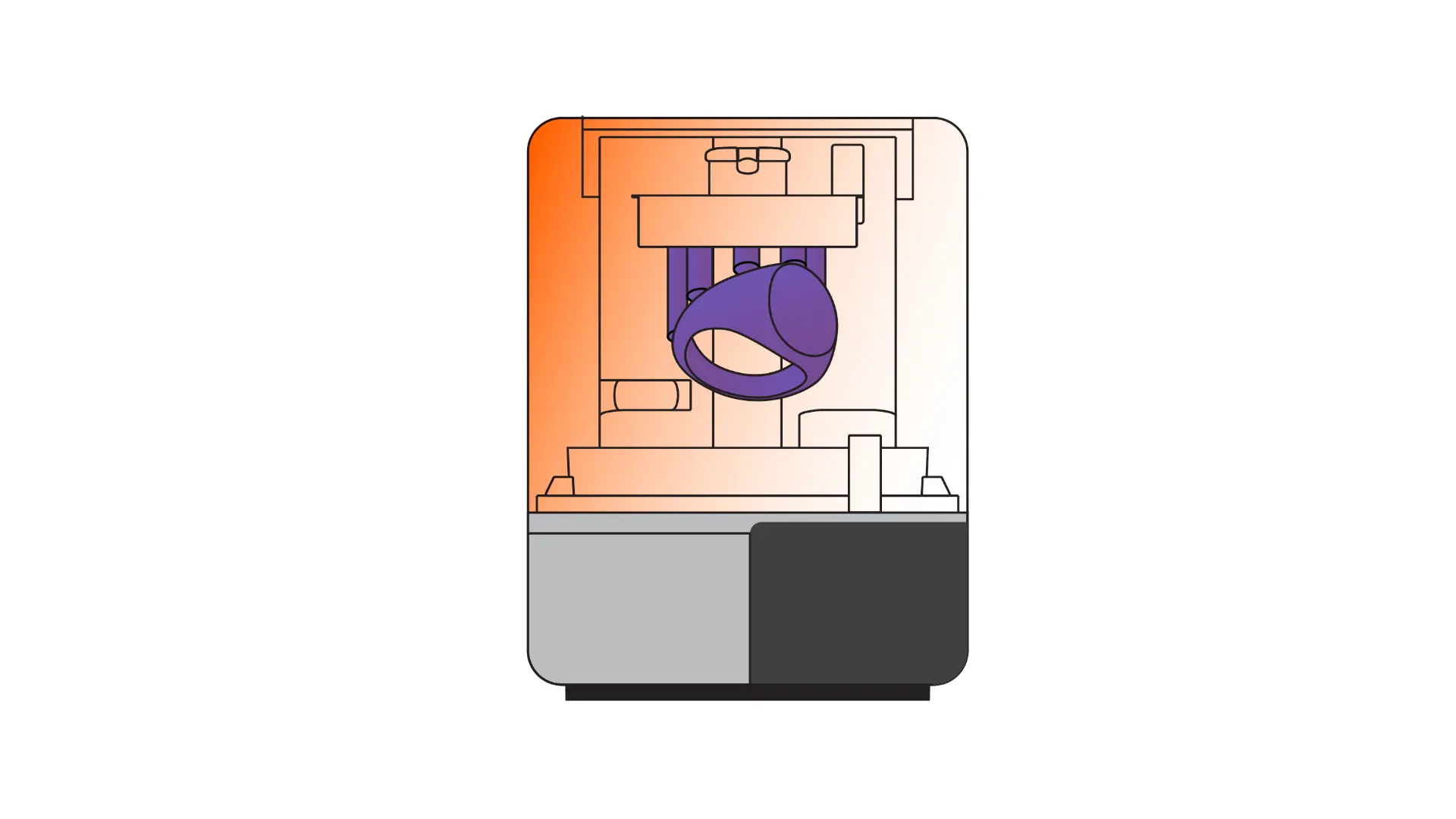
3. Pattern Printing
3D print with True Cast Resin following Formlabs’ instructions.
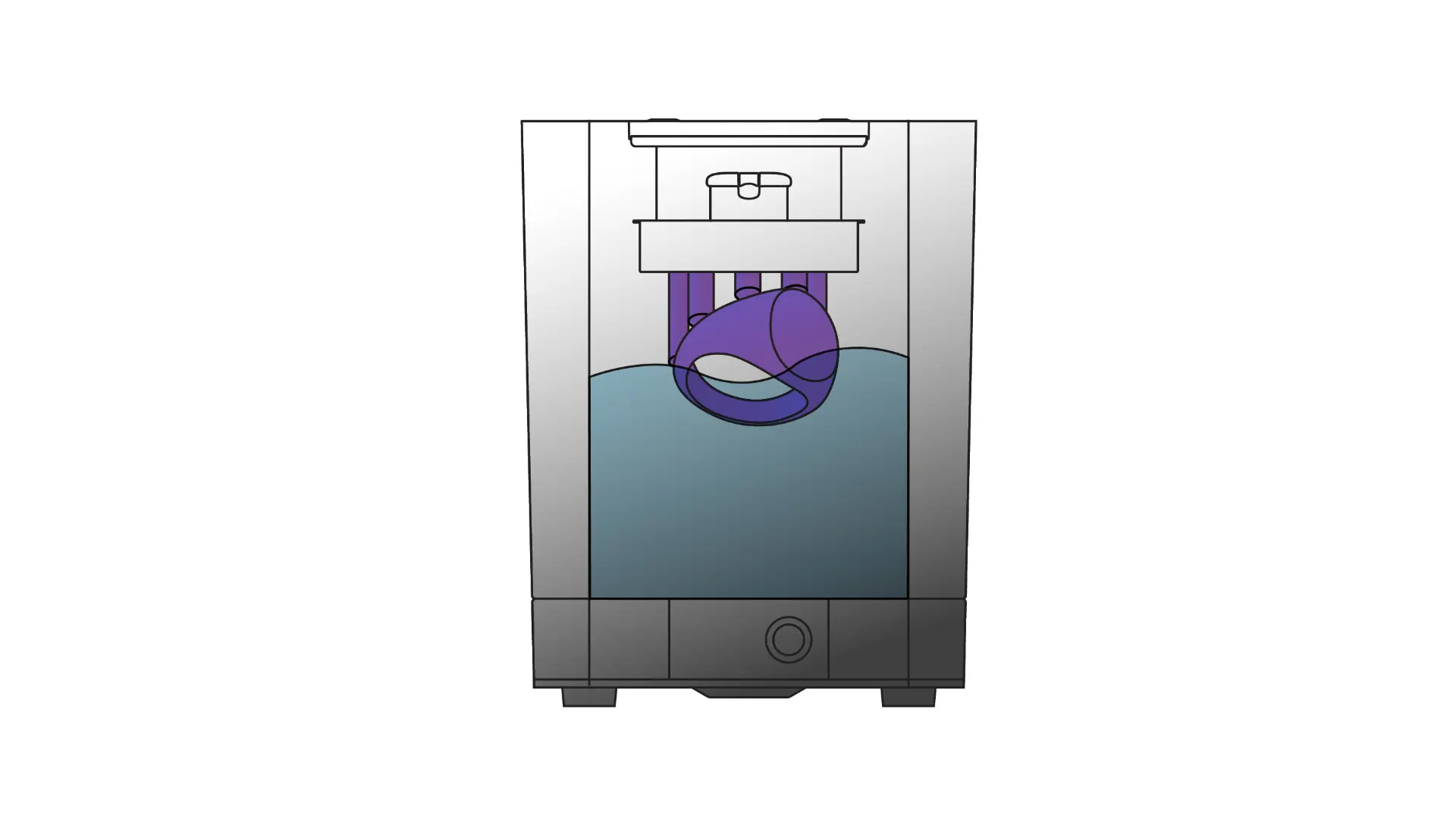
4. Wash Patterns
Thoroughly clean the printed patterns using a Form Wash with IPA for 5 minutes to remove any residual uncured resin. Rinse the parts for a second time in clean IPA to ensure that the patterns are completely clean. Uncured resin on parts may result in casting defects.
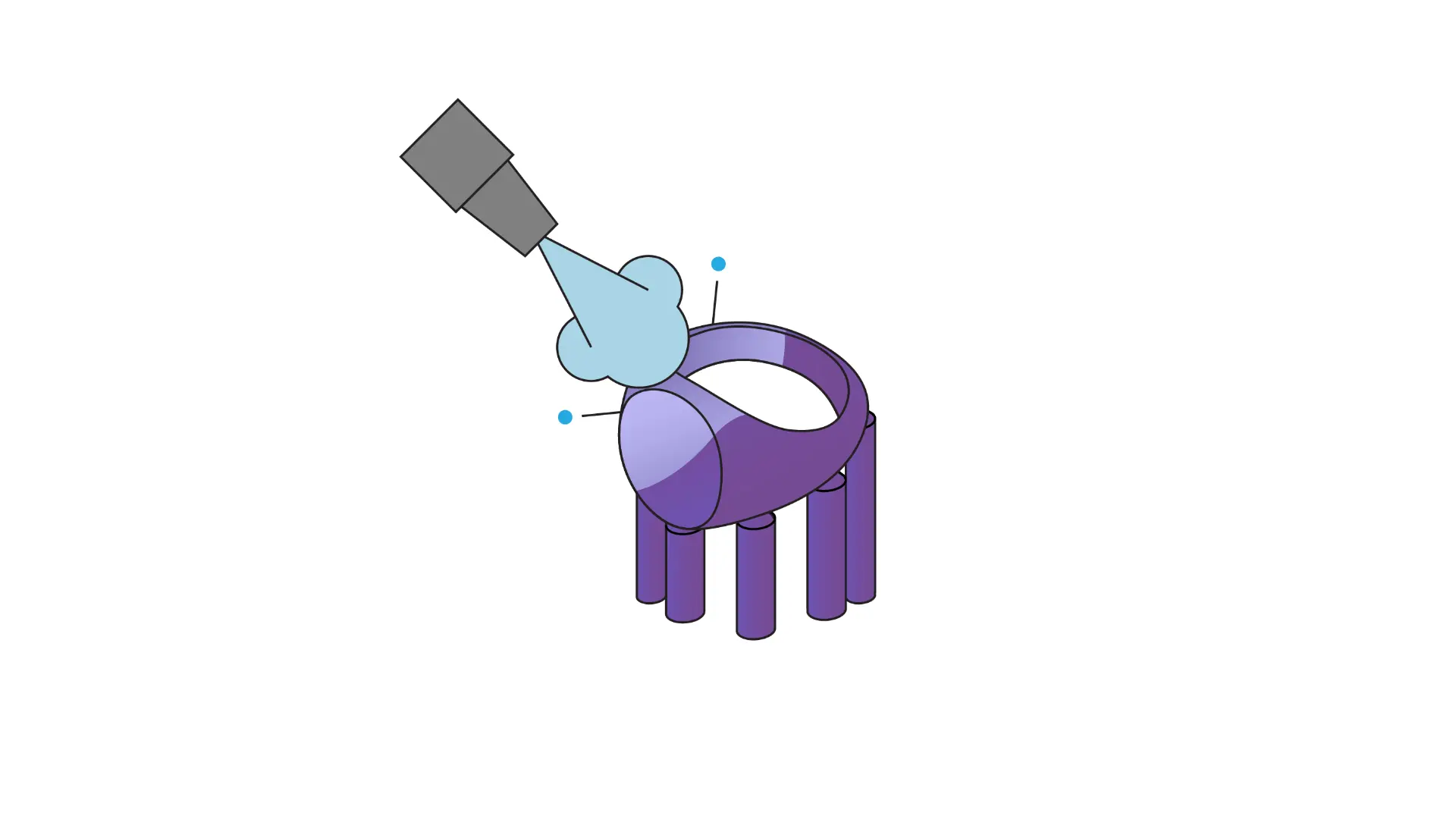
5. Dry With Compressed Air
Use compressed air to dry the printed parts completely. This will ensure the parts are free of any uncured resin and IPA prior to casting.
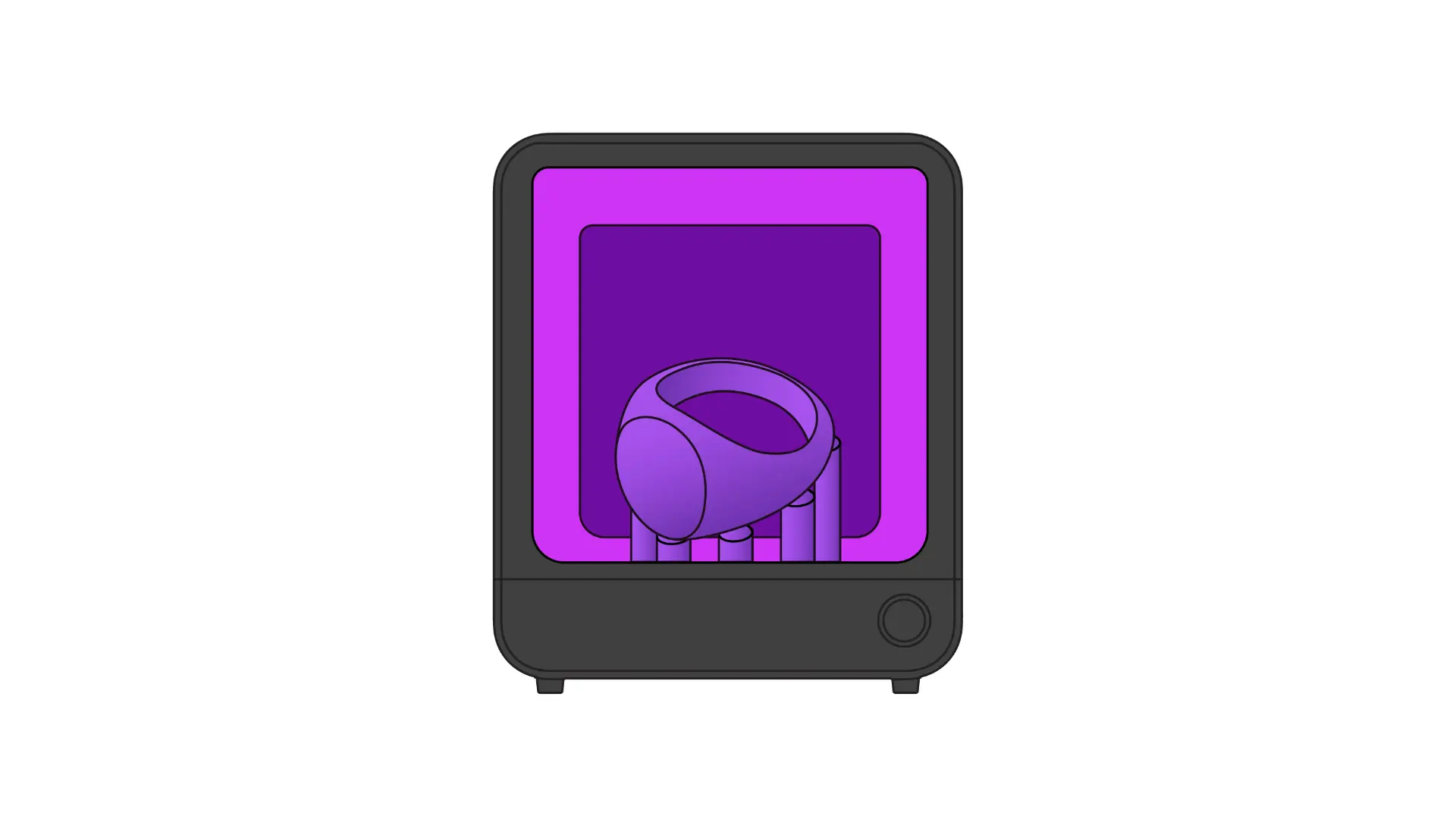
6. Post-Cure Patterns
For best casting results, post-cure the parts to complete the polymerization reaction started during printing. This will improve the strength and robustness of the patterns and reduce defects during the casting process.
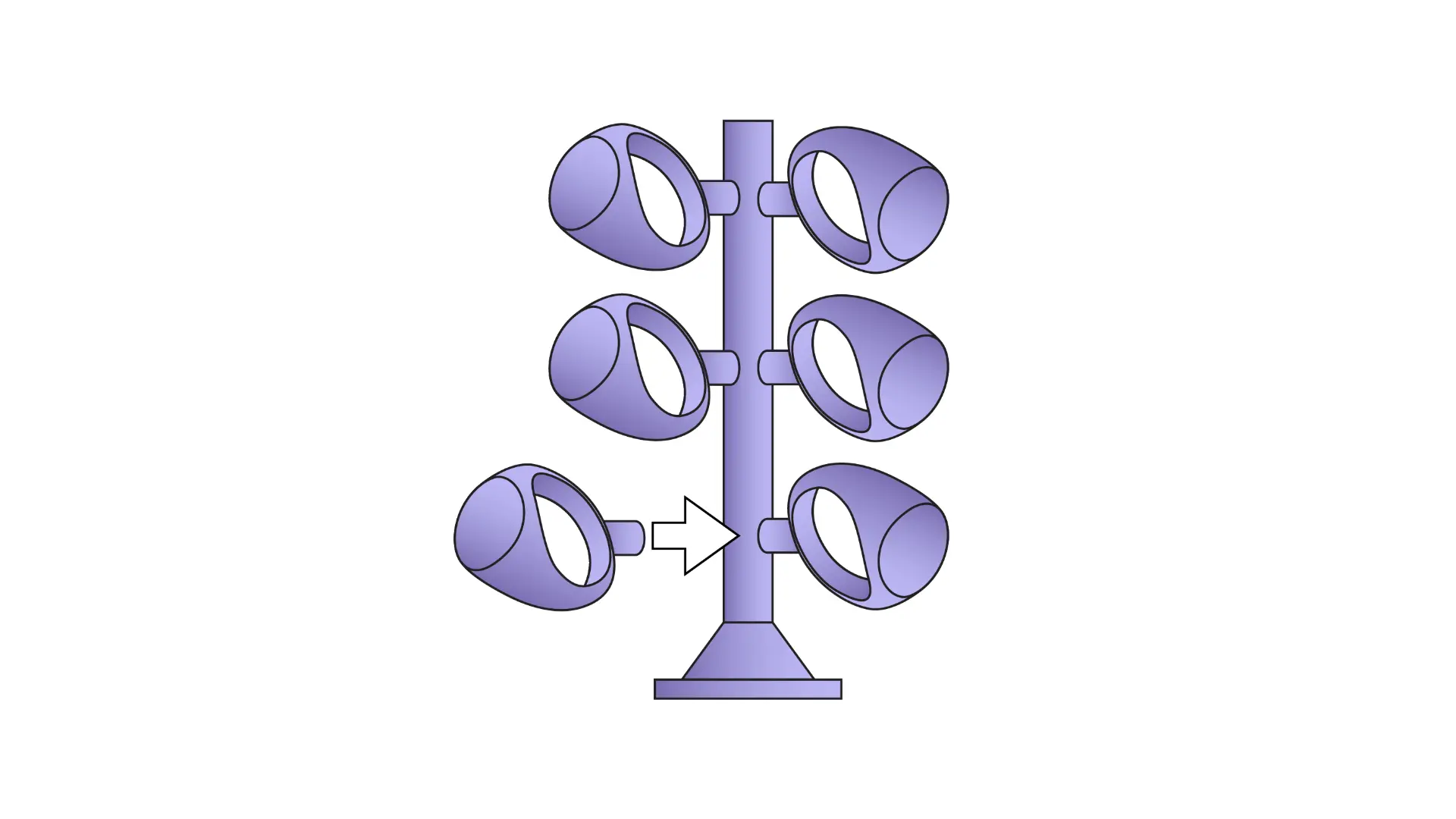
7. Build the Sprue Tree
To prepare for casting, attach the prints to a wax tree using spure wax. Attach the tree to a casting flask.
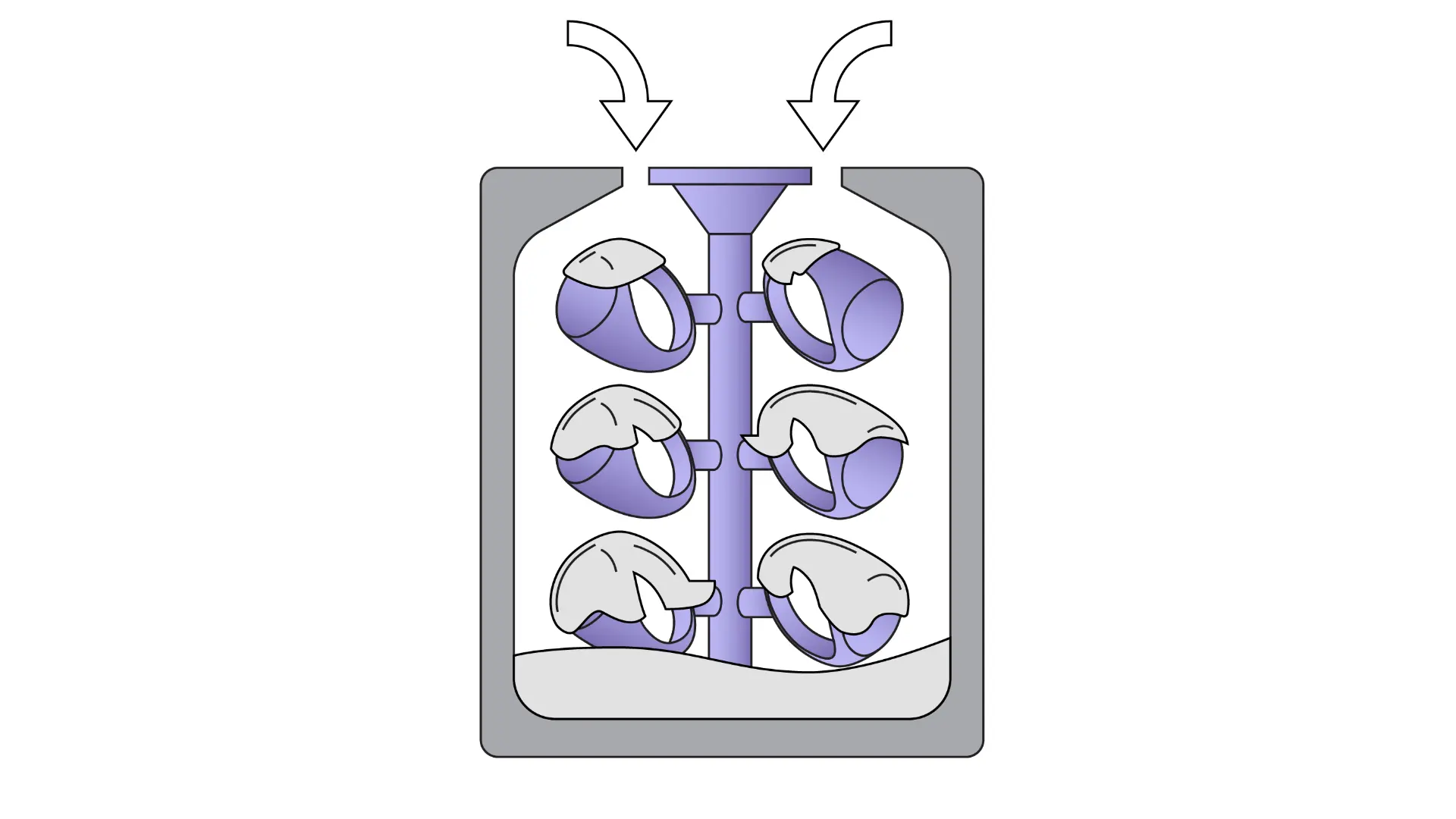
8. Prepare the Mold
Mix the investment and water following the investment manufacturer’s instructions. Slowly pour the investment into the flask.
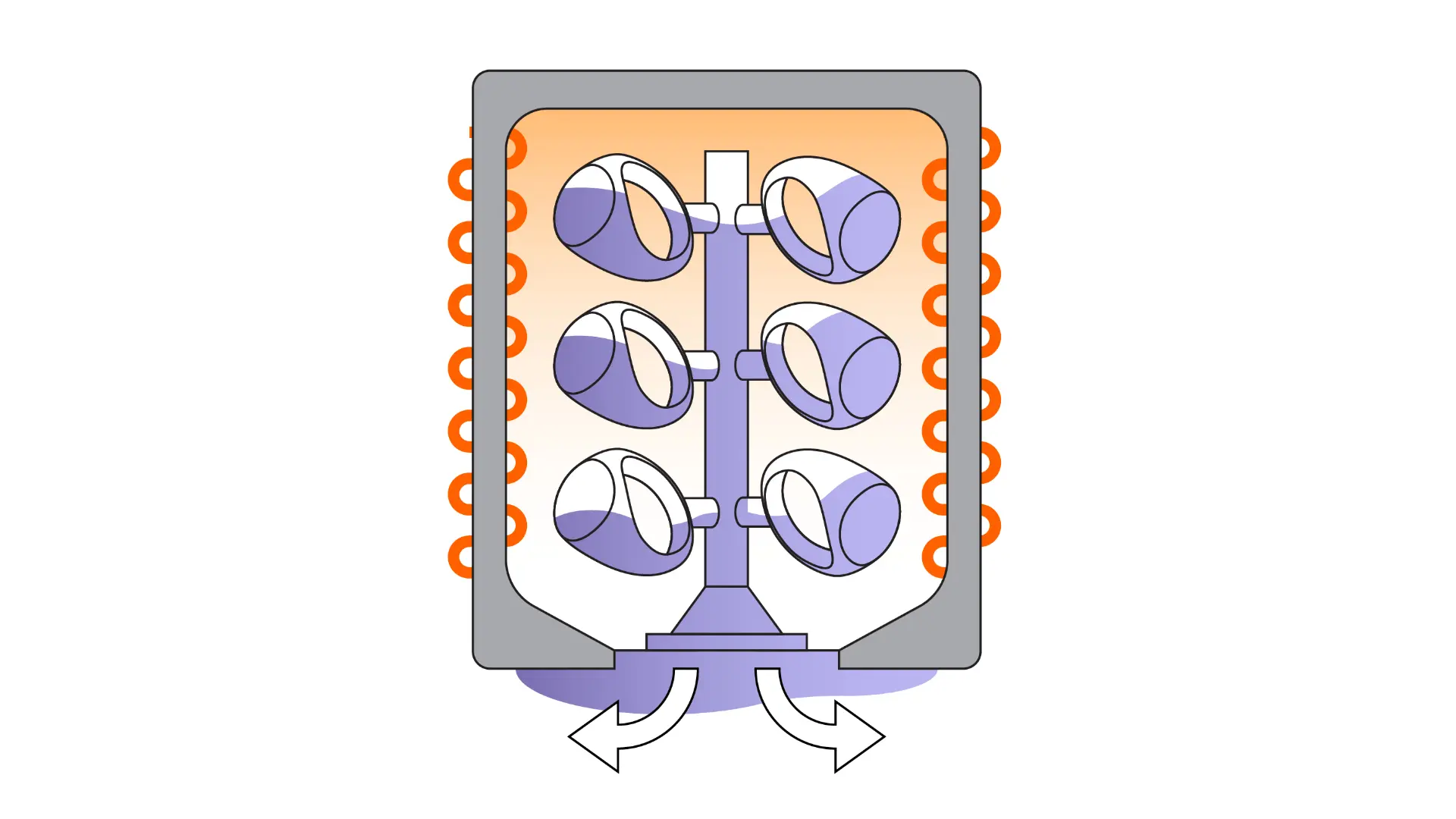
9. Burnout
Place the flasks in an oven and follow the burnout schedule recommended by your investment material.
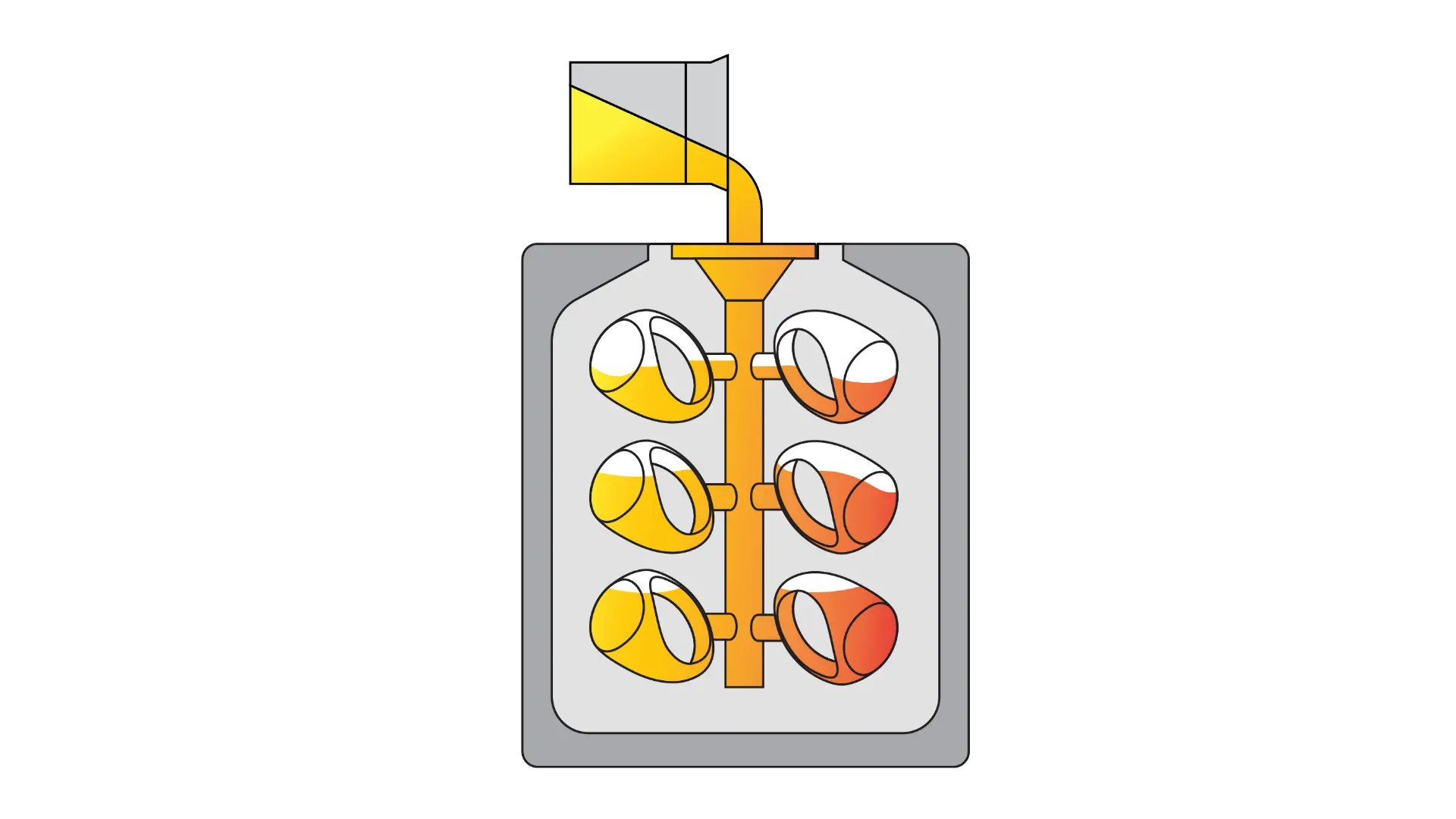
10. Cast
Cast metal in flask.
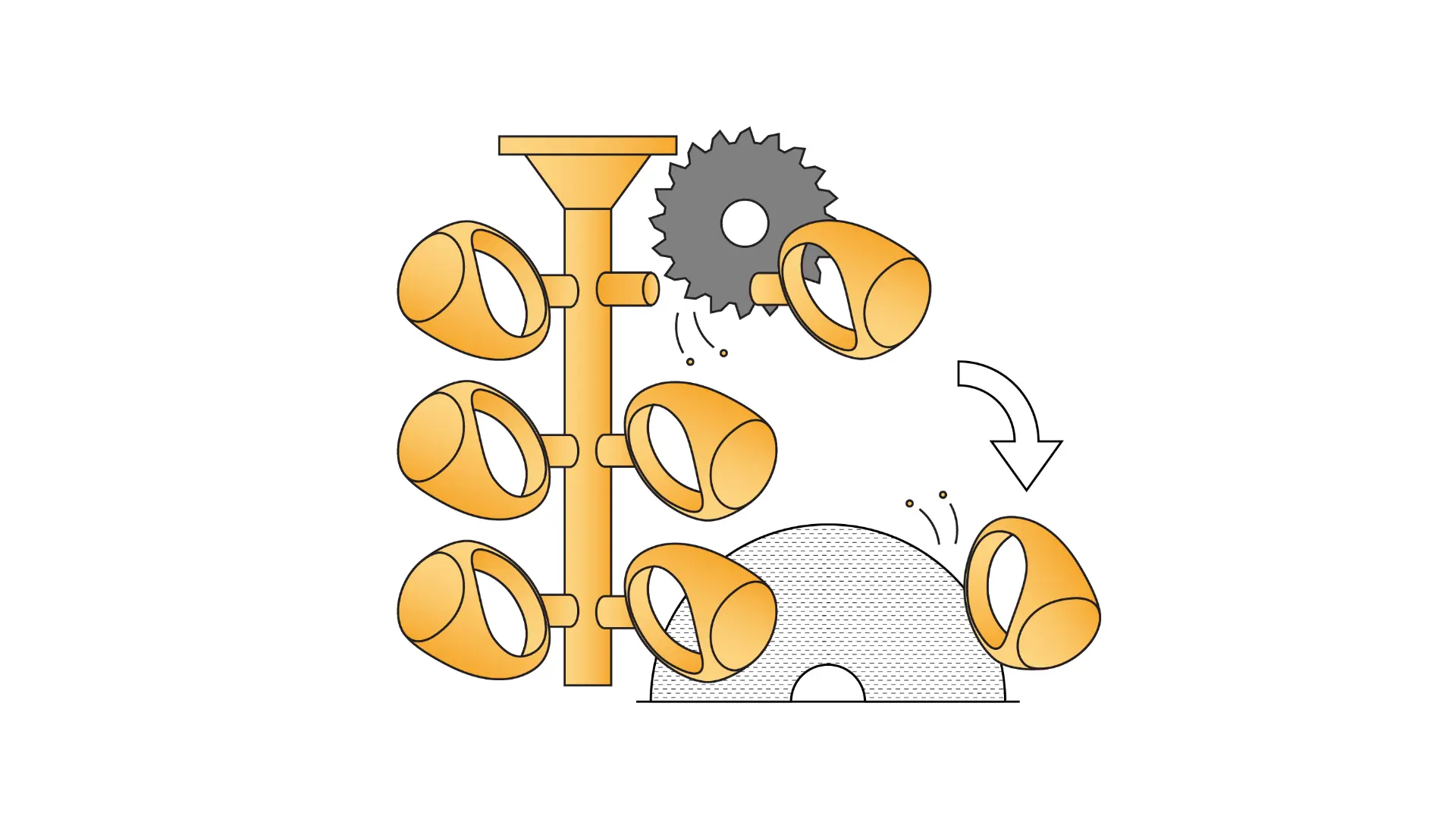
11. Recover the Parts
Reclaim the cast parts, remove them from tree, and use sand blasting to clean off any residual investment if needed.
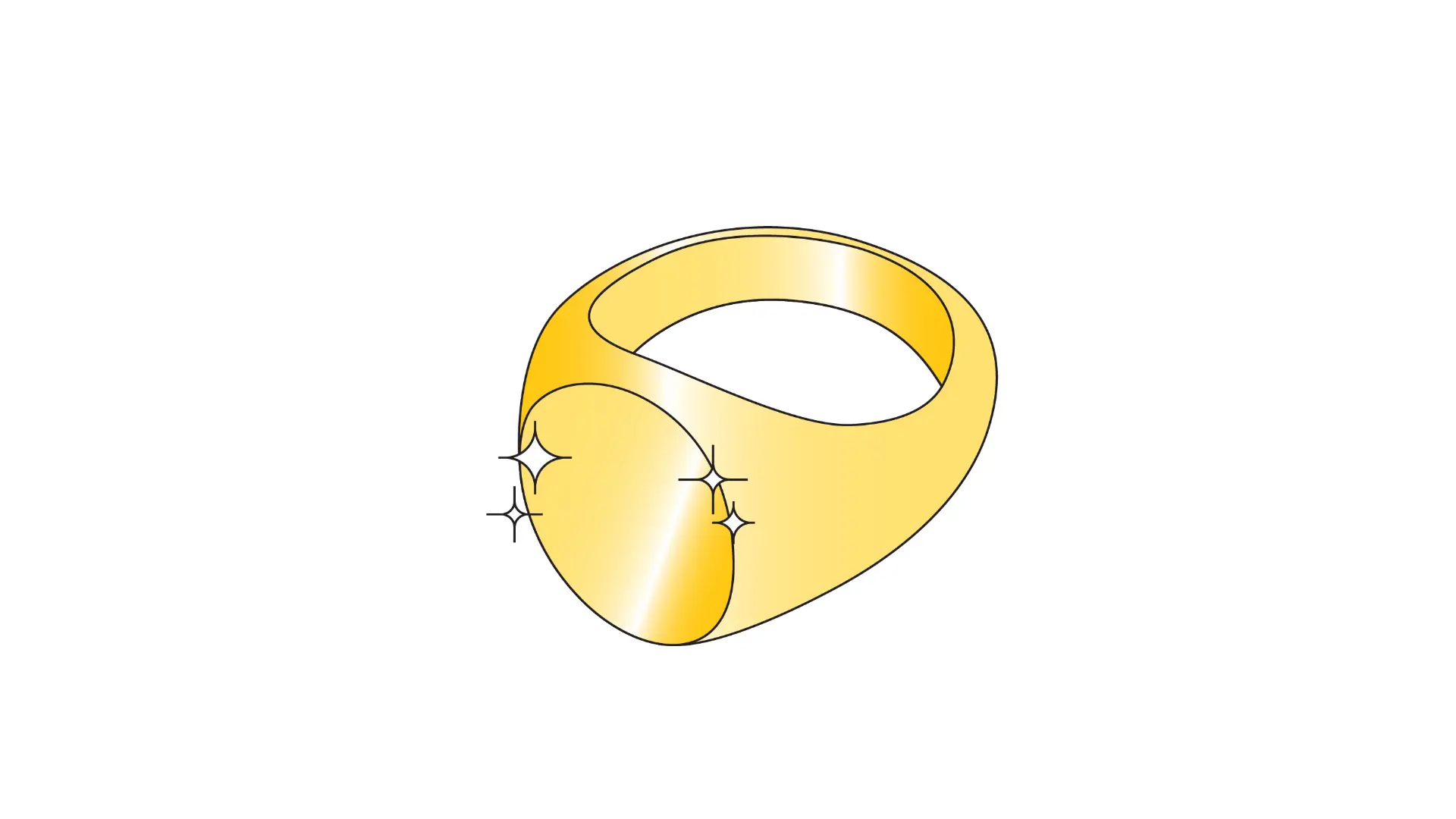
12. Finish
Post-process and finish parts as needed.
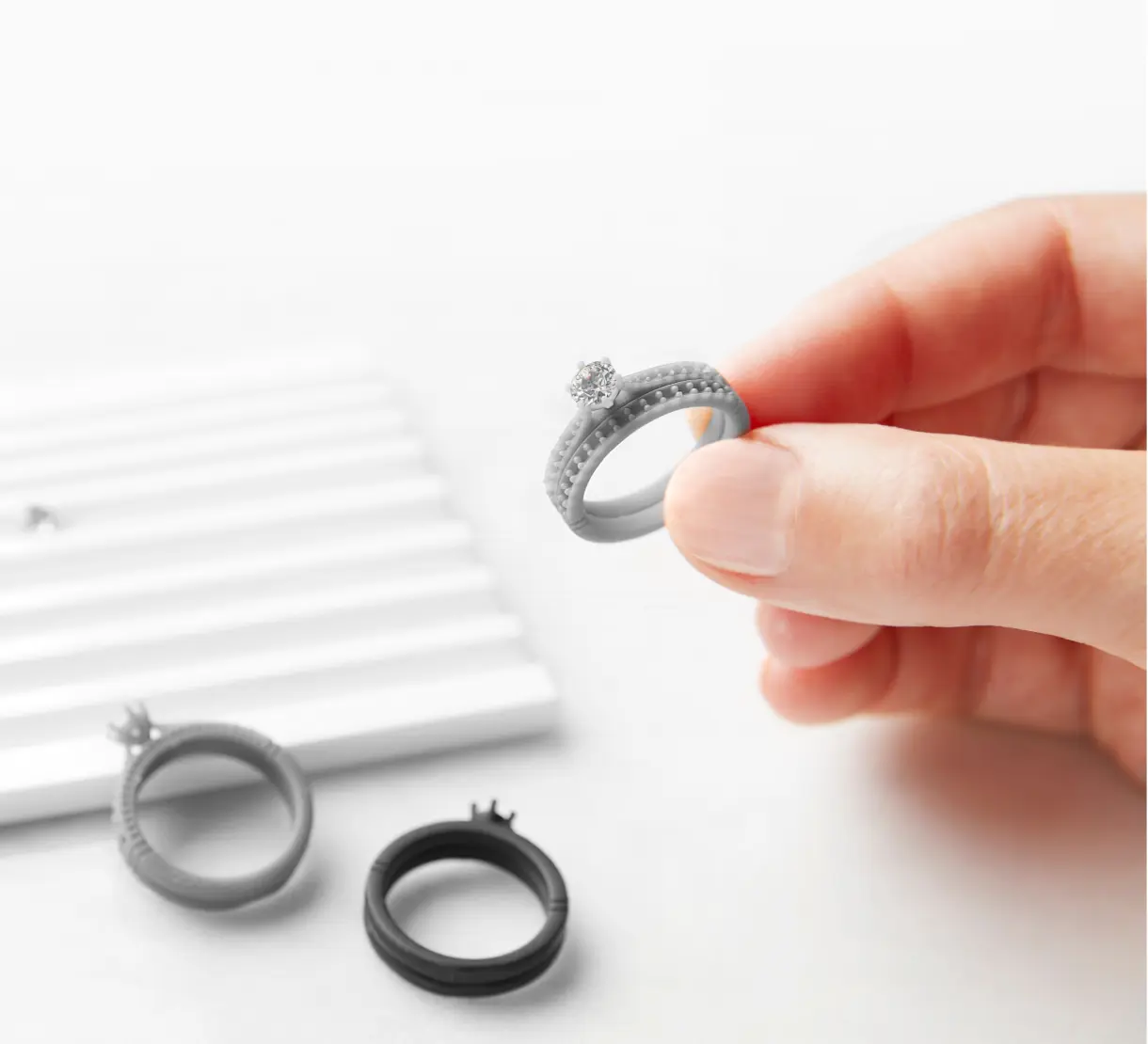
Fittings and Consultations
Take advantage of the Formlabs SLA 3D printers to create “fitting pieces” to provide a consultative experience which builds excitement and delights your clients. SLA 3D prints are sturdier and more cost-effective than wax originals and can be reproduced or adjusted with a few clicks.
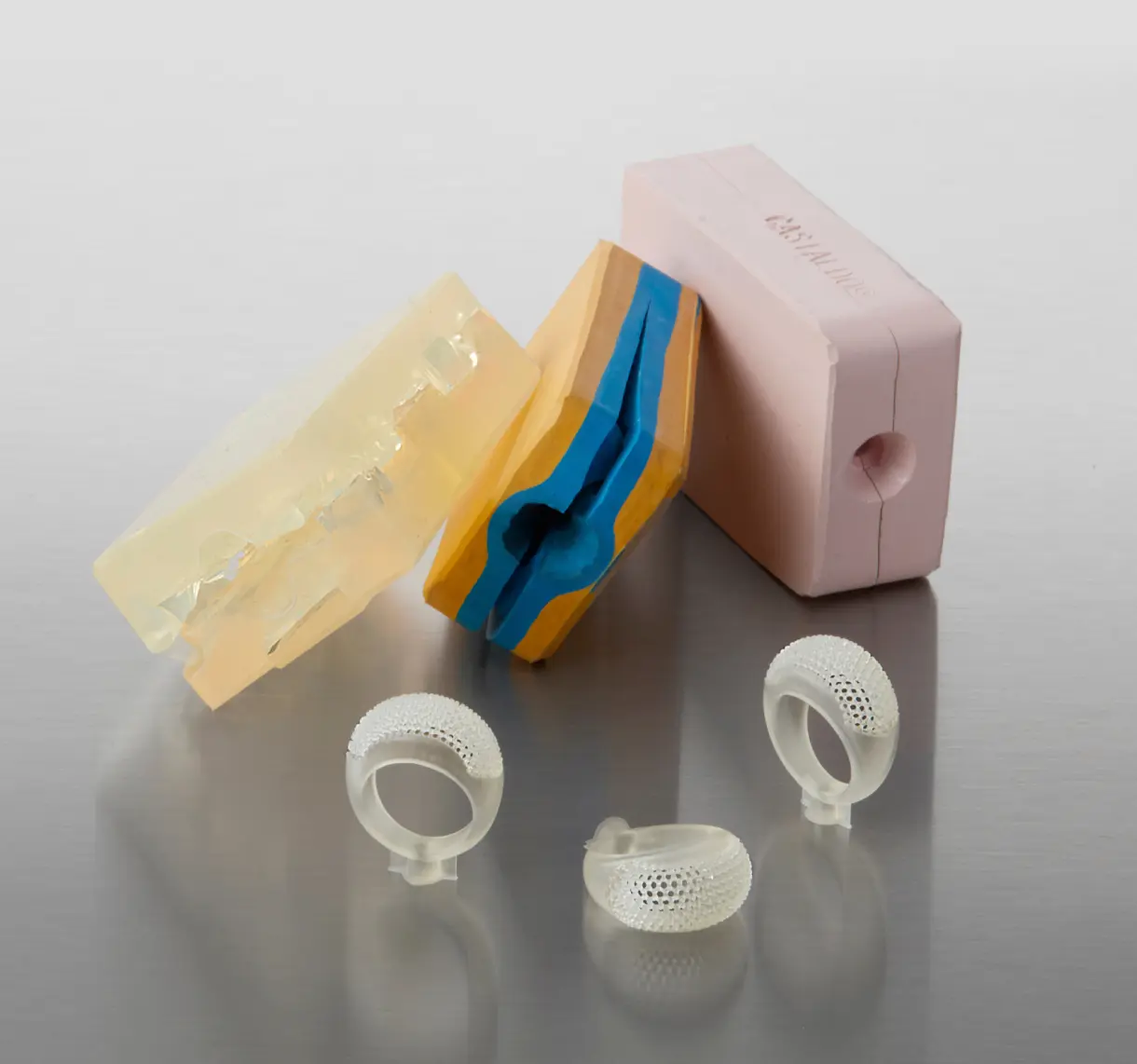
Rubber Molds For Production Casting
Make master patterns for rubber molding with 3D printing for faster iteration and lower costs. Use the masters to create molds that produce waxes in quantity for investment casting. Standard Resins are perfect for cold molding (RTV) and High Temp Resin withstands the heat of vulcanizing natural rubber.
Resources for Jewelers and Casting Houses
See all
Introduction to Casting for 3D Printed Jewelry Patterns

Vulcanized Rubber Molding With 3D Printed Masters

Achieve Custom-Color Parts and Detailed Patterns for Casting With New Formlabs Resins

How 3D Printing is Disrupting the $280 Billion Jewelry Industry

Lost-Wax Casting: Technique, Process, and Applications

How to Choose the Best Jewelry Design CAD Software

The Convergence of Art, Mechanics and 3D Printing: Tariq Riaz Jewelry

The Future of the Jewelry Industry With Educational Courses Based on 3D Printing

Castable Wax 40 Resin Promises Castability Without Compromise

New Light-Touch Supports for Castable Wax Resin in PreForm 3.4.6
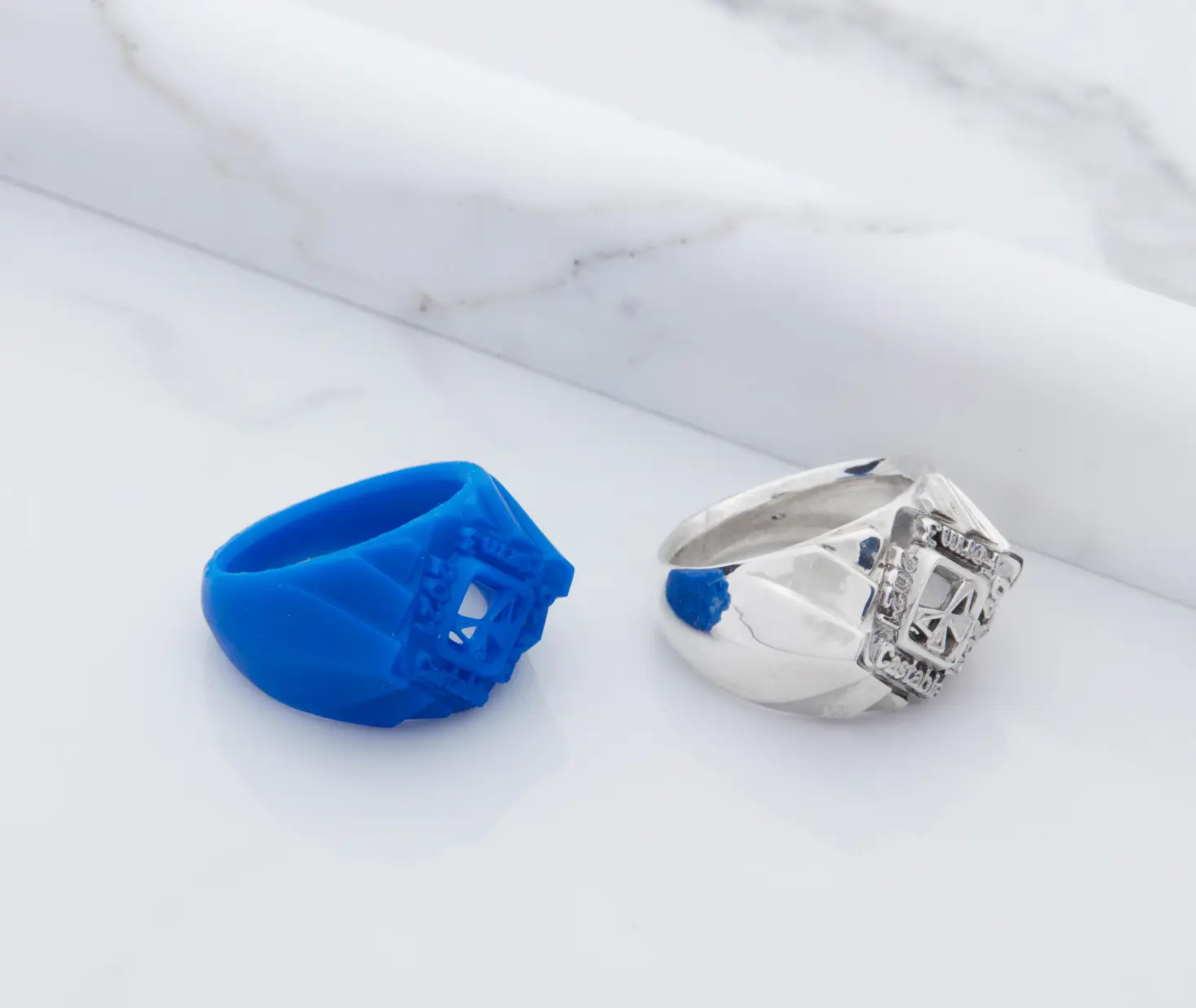
“Casting thicker pieces in resin has always presented unique challenges, whether it was lettering on a class ring, models with thick cross-sections, or generally dealing with the casting defects. Castable Wax 40 Resin performed amazingly similar to regular injection wax, the high wax content allowed sprues to stick more securely, and the surface finish is top notch. It actually feels like wax in your hands. Casting larger items from resin has never been easier.”
Scott Bradford, Jewelry Tech Team, Rio Grande Jewelry
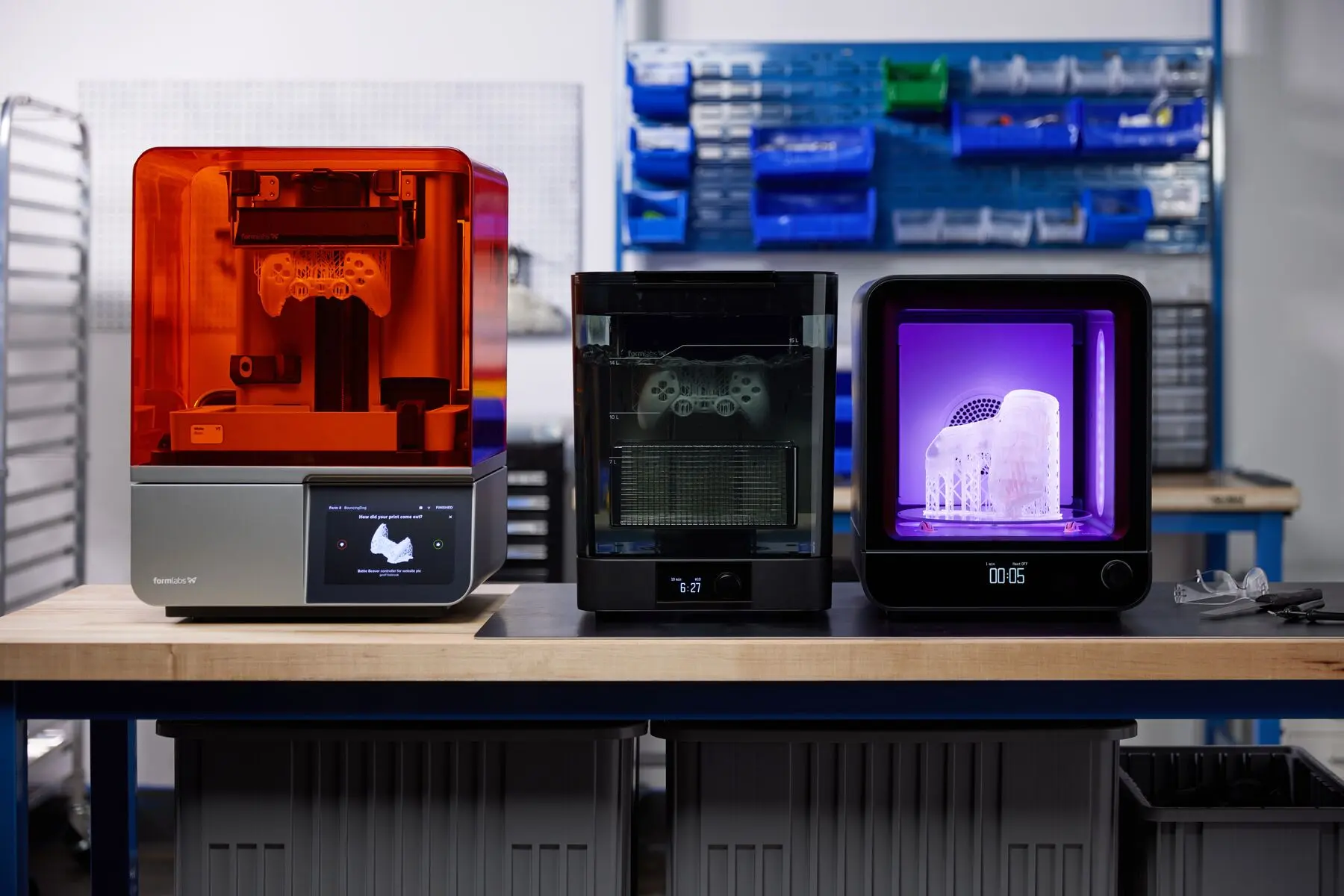
Go Digital With Formlabs SLA 3D Printers
Formlabs has lowered the barrier for entering the jewelry 3D printing market by creating accessible, easy-to-use products that have put stereolithography in the hands of more businesses than ever before. Formlabs SLA 3D printers offer a diverse material portfolio and a large build volume, allowing you to efficiently produce multiple high-quality parts in a single print. With easy-to-cast materials like True Cast Resin, Formlabs is the ideal choice for any jeweler looking to go digital.
FAQ
Yes, Formlabs SLA 3D printers can produce castable patterns that go directly into investment casting, resulting in finished metal jewelry pieces. The process follows a workflow similar to traditional lost-wax casting, moving from a digital design to a cast metal part.
Formlabs offers three castable resins: Castable Wax Resin for fine filigree and lightweight jewelry, True Cast Resin for medium to heavy jewelry and medallions, and Castable Wax 40 Resin for medium to heavy jewelry and small engineering components.
The best choice depends on your design and piece weight. Castable Wax Resin is optimized for fine filigree and lightweight jewelry, True Cast Resin is recommended for medium to heavy jewelry, medallions, and figurines.
Yes, 3D printed master patterns can be used to create rubber molds that produce wax patterns in quantity for investment casting. Standard Resins work for cold molding (RTV), while High Temp Resin withstands the heat required for vulcanizing natural rubber.
Yes, Formlabs SLA prints are sturdier and more cost-effective than wax originals, making them well suited for customer fittings and consultations. Designs can be reproduced or adjusted with just a few clicks.
Switching to a digital workflow lowers costs by reducing tooling investment and labor, speeds up turnaround by producing high-quality patterns within 24 hours, and enables intricate designs that are difficult to achieve with traditional wax molding.
The process involves designing the part in CAD software, printing with True Cast Resin, washing and post-curing the patterns, building a sprue tree, preparing and pouring the investment mold, burning out the resin, casting metal, and finishing the recovered parts.
Formlabs serves a wide range of jewelry professionals, from independent retailers and designers producing custom pieces to large casting houses manufacturing at scale.