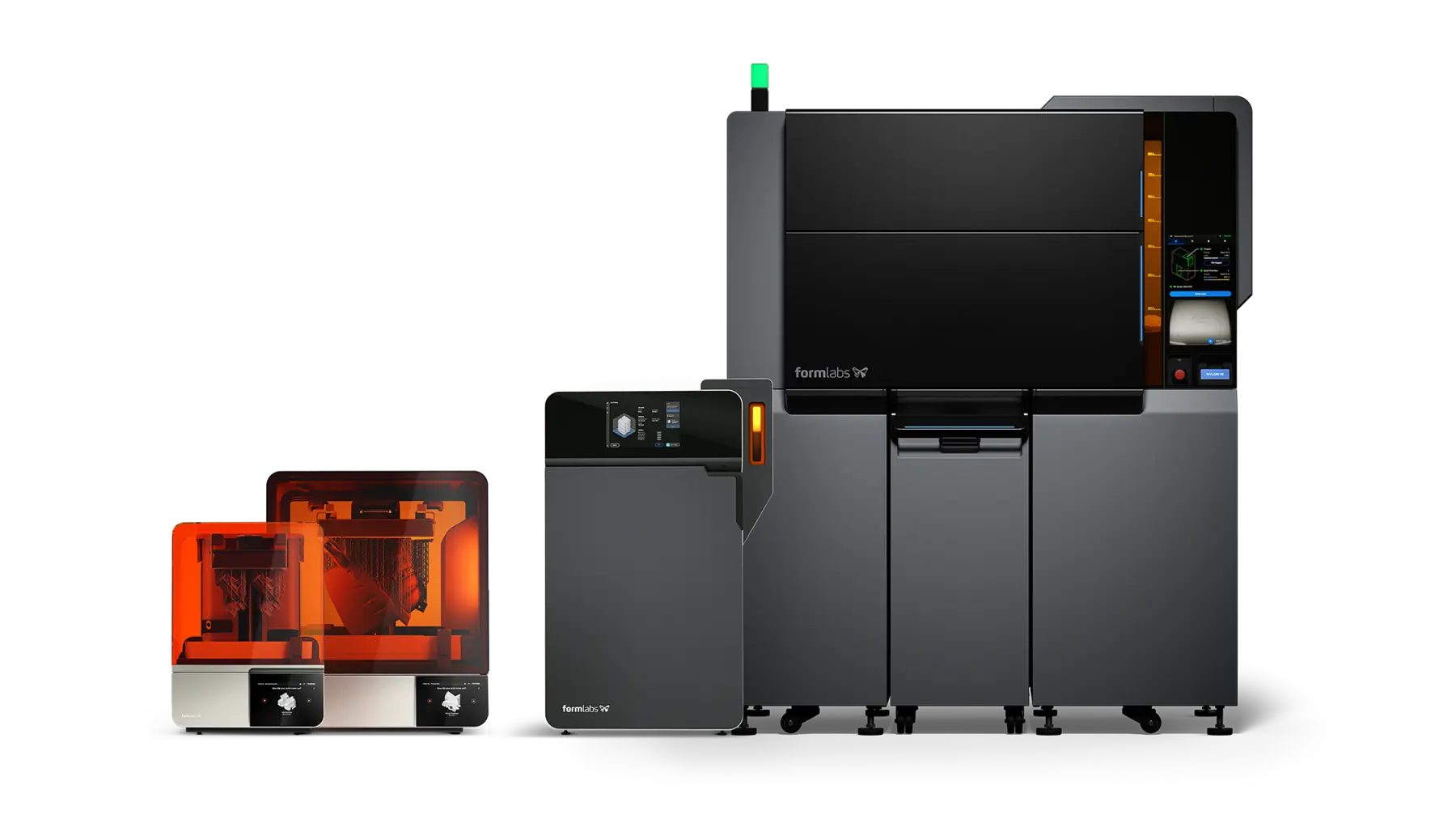
Resin 3D Printers
Resin 3D printers have become vastly popular for their ability to produce highly accurate, isotropic, and watertight parts in a range of advanced materials with fine features and a smooth surface finish. Resin printing is a great option for applications requiring tight tolerances and smooth surfaces, such as rapid prototyping, tooling, manufacturing aids, models, and low-volume end use parts.
Formlabs adapted stereolithography (SLA) 3D printing technology to the desktop in 2011 and has since become the market leader for professionals, selling more than 100,000 desktop and large-format resin printers as of today.
SLA 3D Printers

Form Studio 1
Accessible, fast, and reliable professional desktop 3D printing.
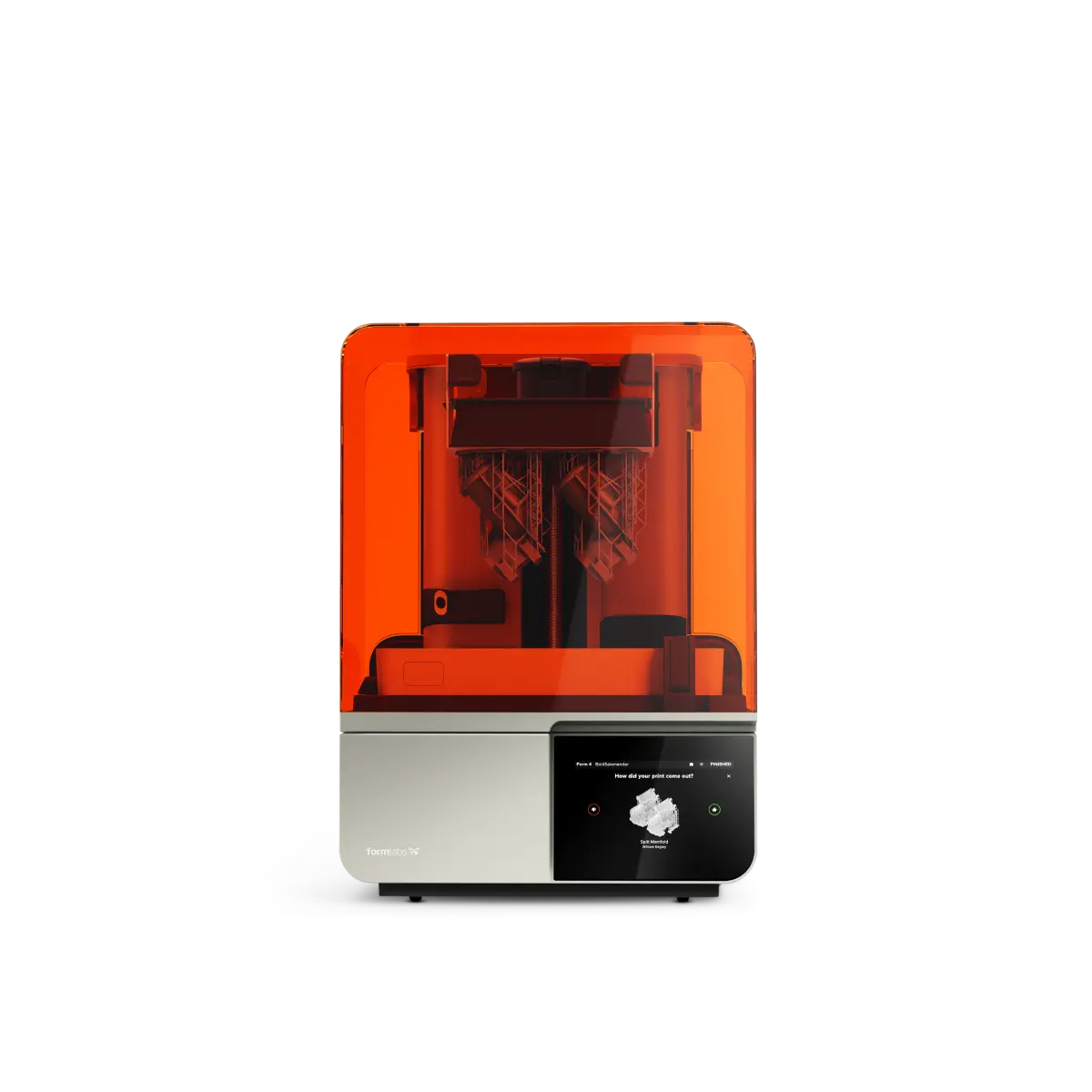
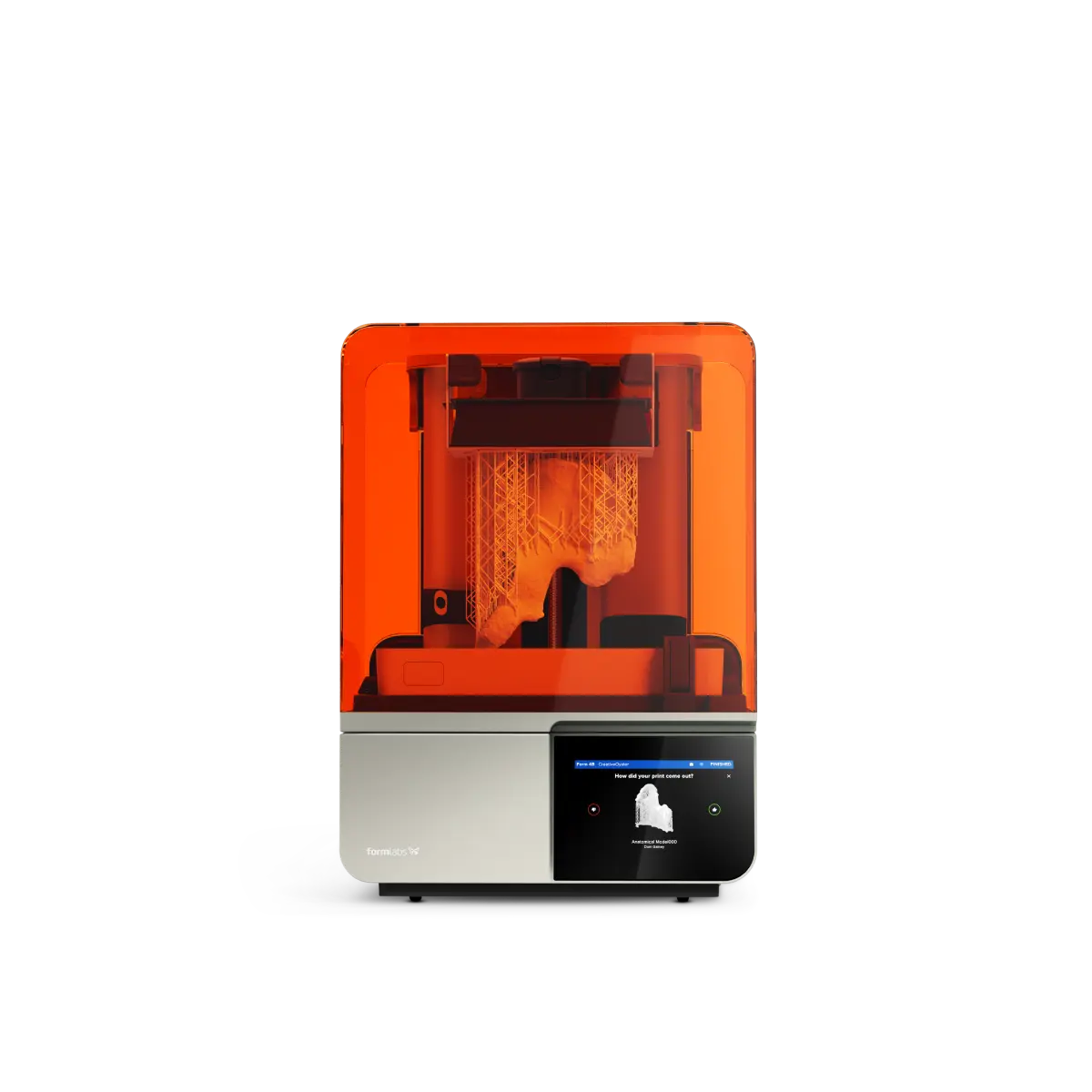
Form 4
Unmatched speed, precision, and versatility in one desktop 3D printer.
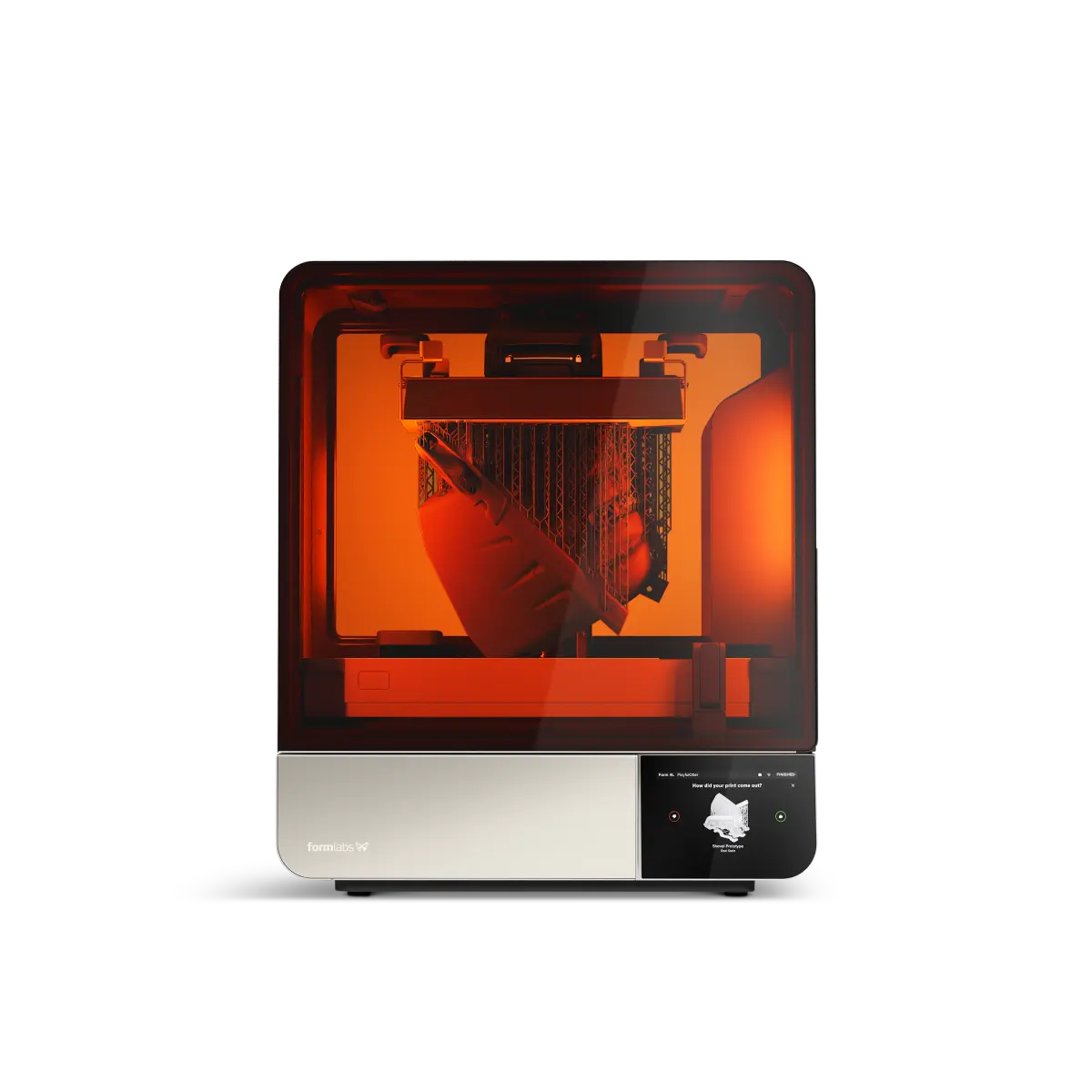
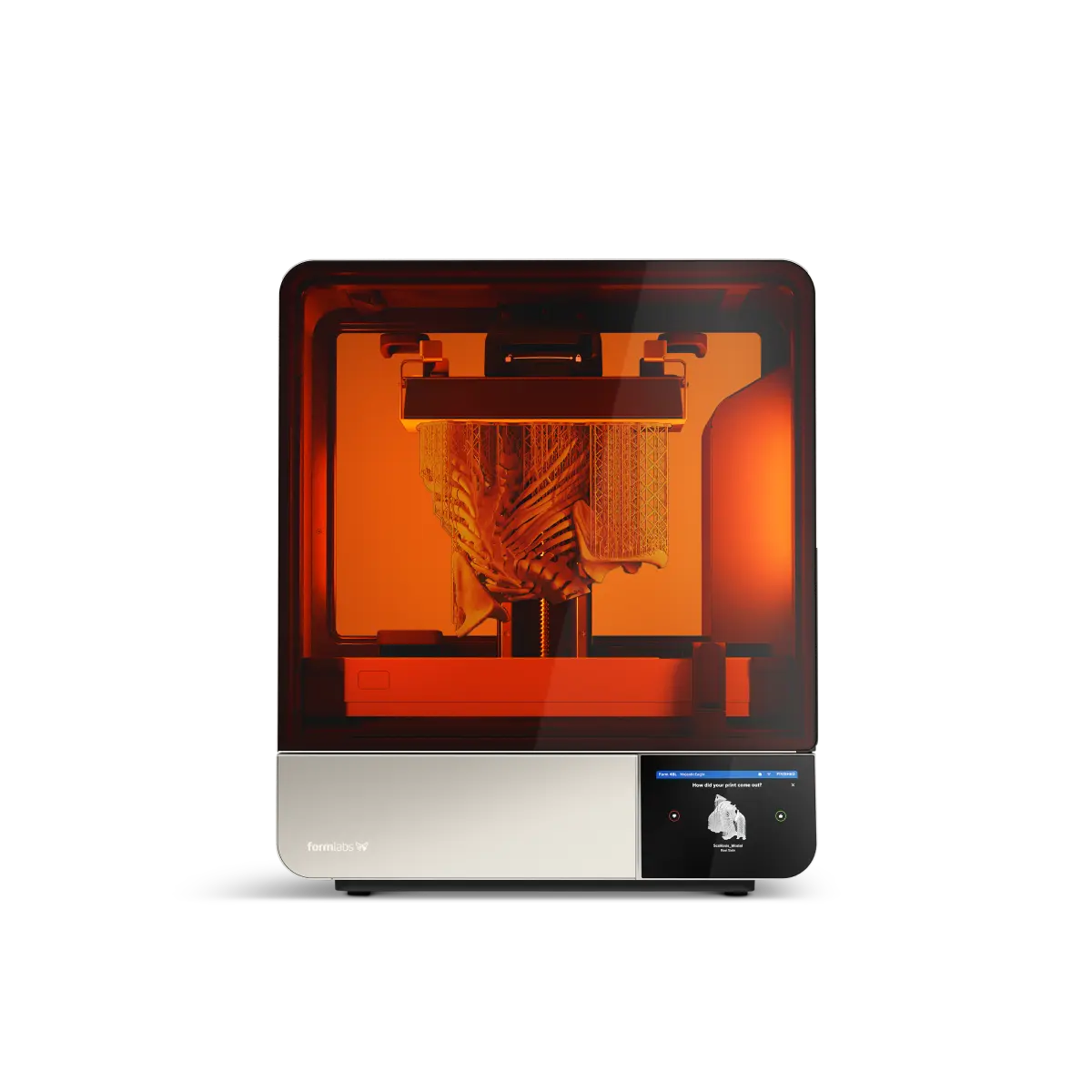
Form 4L
Redefining speed and accuracy for larger, professional-grade parts.
Form 4B
Personalize care with biocompatible models and medical devices.
Form 4BL
Large biocompatible model and medical device production in-house.
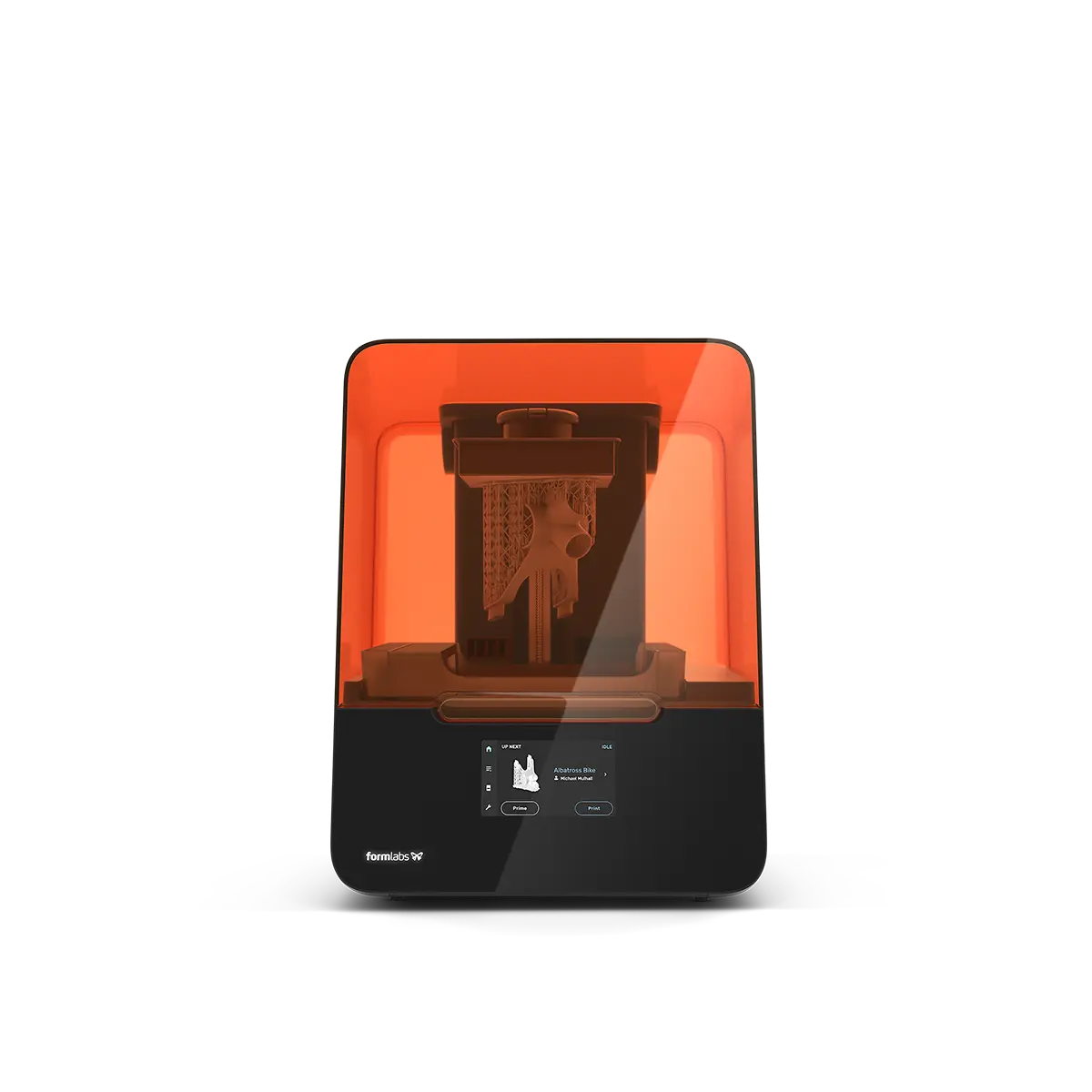
Form 3
Affordable, industrial-quality 3D printer that consistently delivers.
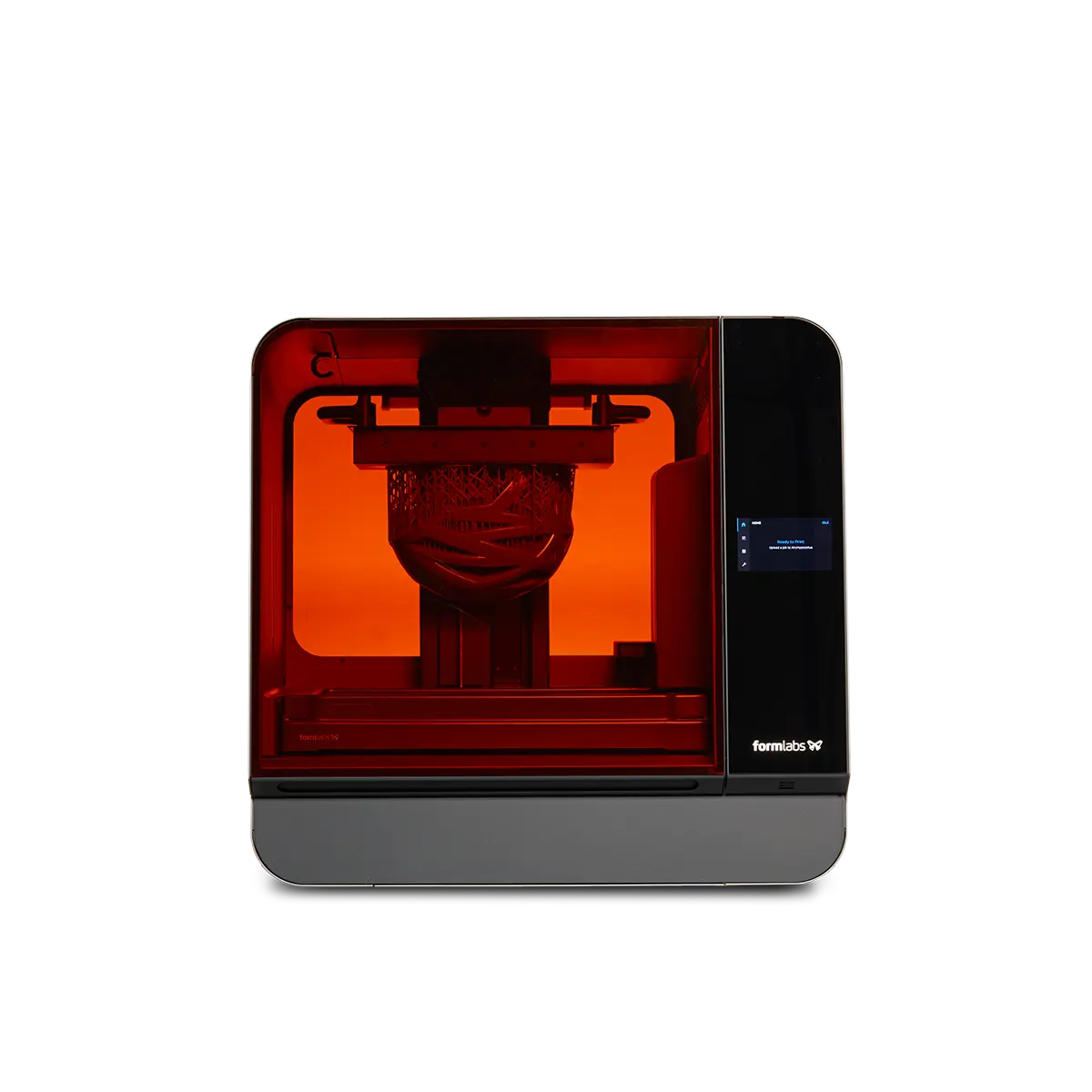
Form 3L
Fabricate large parts with incredible surface finish and fine detail.
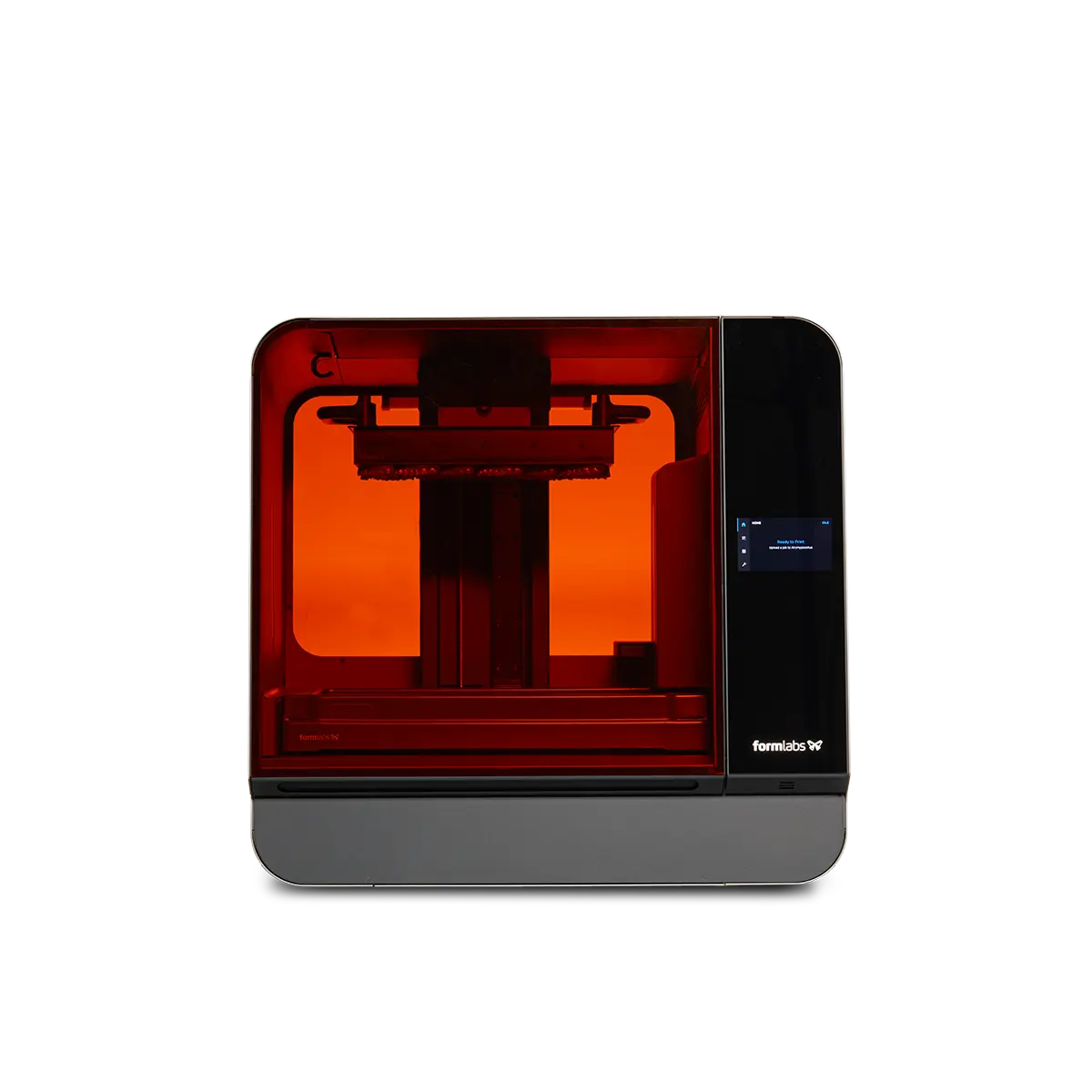
Form 3BL
Large format, affordable 3D printer for biocompatible models and medical devices.
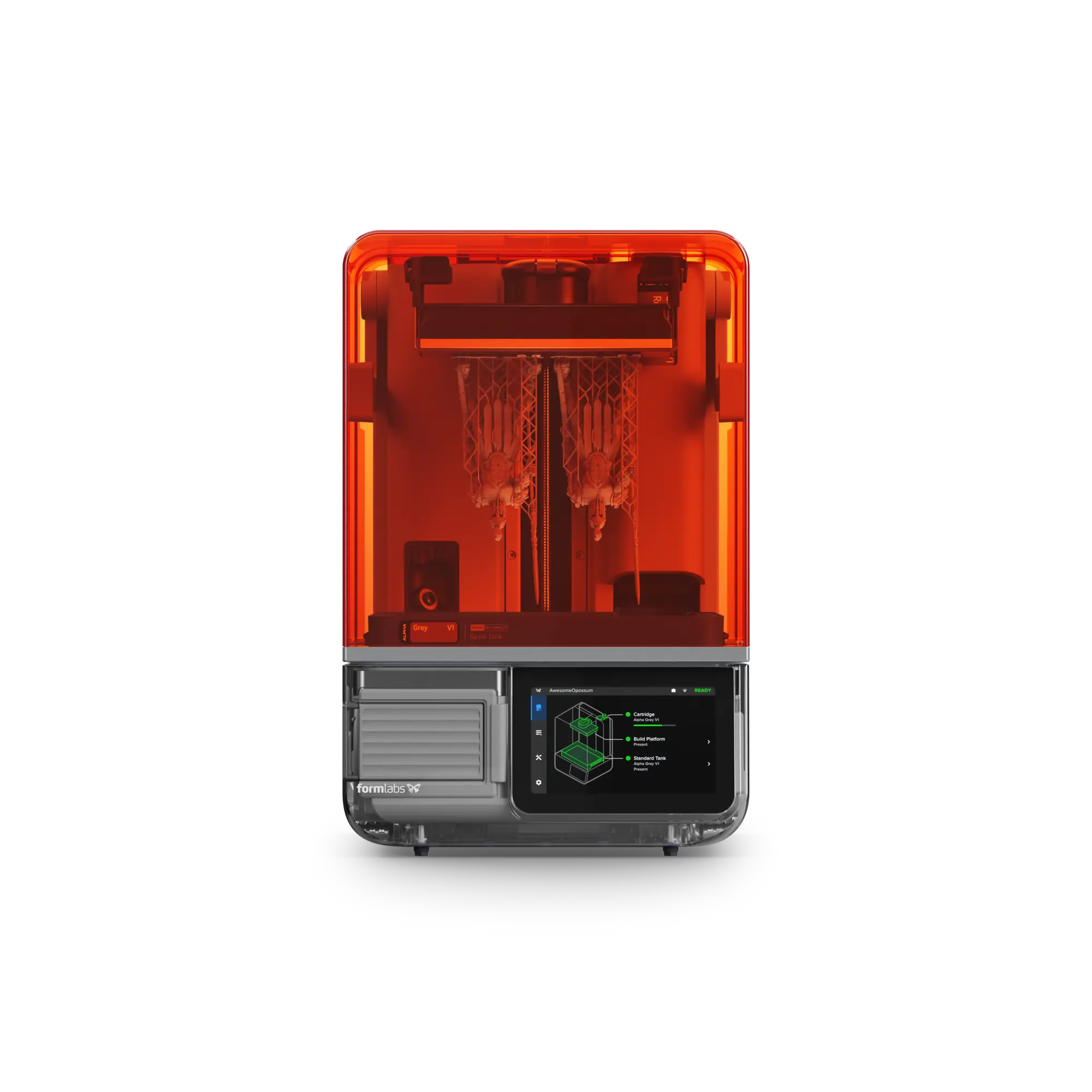
Form Studio 1 is the first affordable, professional-grade resin 3D printer that combines a long-lasting print engine with an open platform. Print most parts in under two hours with razor-sharp detail, a mess-free resin handling, and a UL GREENGUARD Gold Certified workflow using Alpha Resins and VOC Extractor.
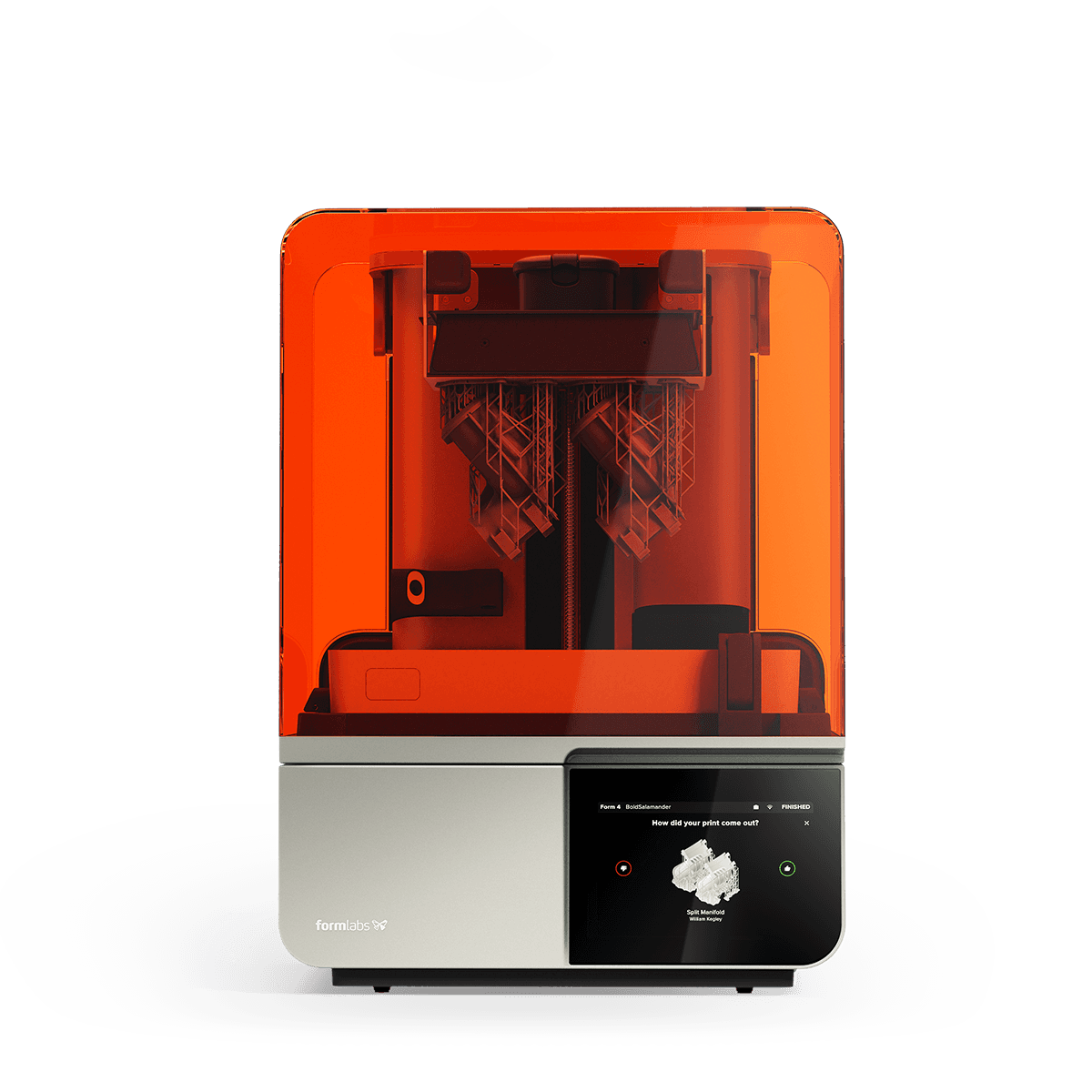
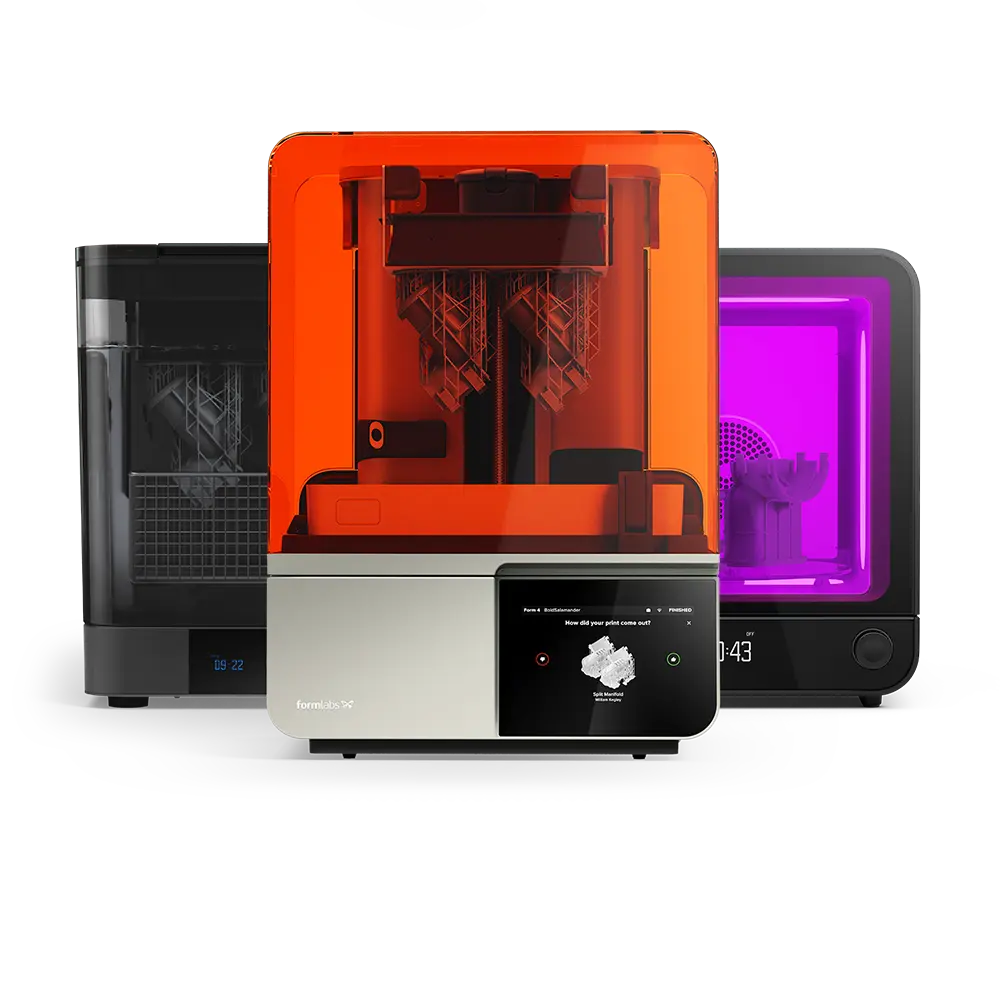
Form 4 is a blazing fast masked SLA 3D printer that combines an industry-leading materials library with a reliable, accurate print engine. Turn your ideas into reality faster than ever with easy workflows, leading reliability, and stunning part quality using the Form 4 ecosystem.
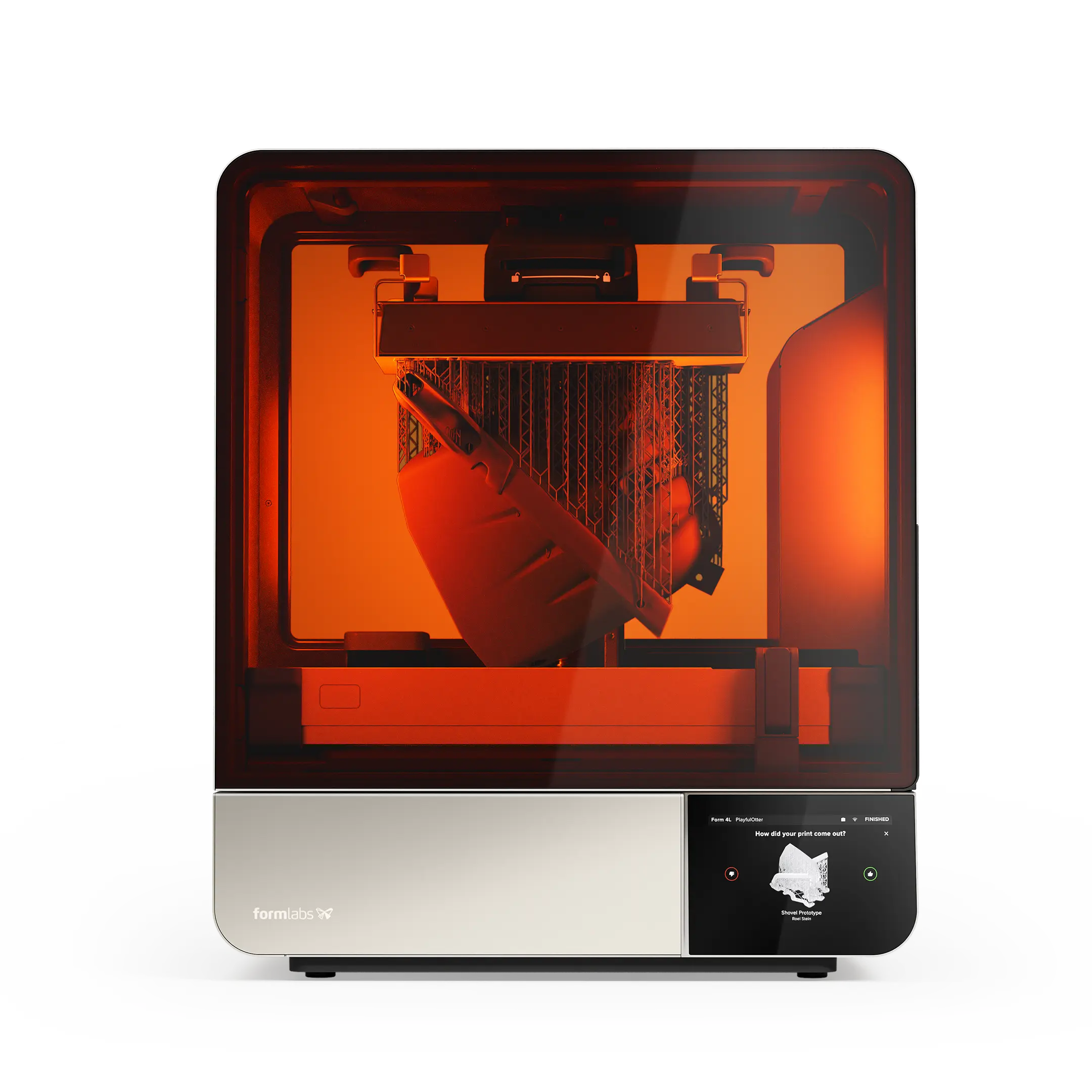
Low Force Display ™
Low Force Display™ (LFD)
Up to 130 mm/hour maximum1
100 mm/hour
3.9 in/hour
9 industry-leading Formlabs materials or third-party materials using Open Material Mode (included).
More exciting new materials are currently in development.
Explore Materials
23 industry-leading Formlabs materials or third-party materials using Open Material Mode. More exciting new materials are currently in development.
Explore Materials
20.0 x 12.5 x 23.5 cm
7.9 x 4.9 x 9.3 in
5.9 liters
20.0 × 12.5 × 21.0 cm
7.9 × 4.9 × 8.3 in
5.25 liters
250 cm2
38.8 in2
250 cm²
38.8 in²
Auto-generated
Light-touch removal
39.8 × 36.7 × 55.4 cm
15.7 × 14.5 × 21.9 in
Resin 3D Printing Materials
Explore our 50+ resin 3D printing materials, offering a wide range of optical, mechanical, and thermal properties to match those of standard, engineering, and industrial thermoplastics.
Explore Resin 3D Printing Applications
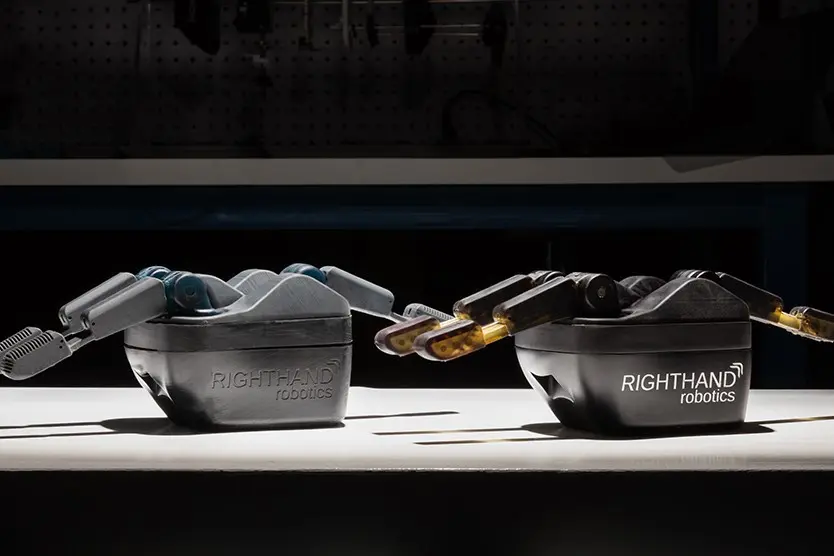
Rapid Prototyping
Turn your ideas into high-fidelity prototypes that look and work like final products within a day and bring better products to market faster.
- Concept models
- Looks-like prototypes
- Functional prototypes
Why Choose Formlabs Resin 3D Printers?
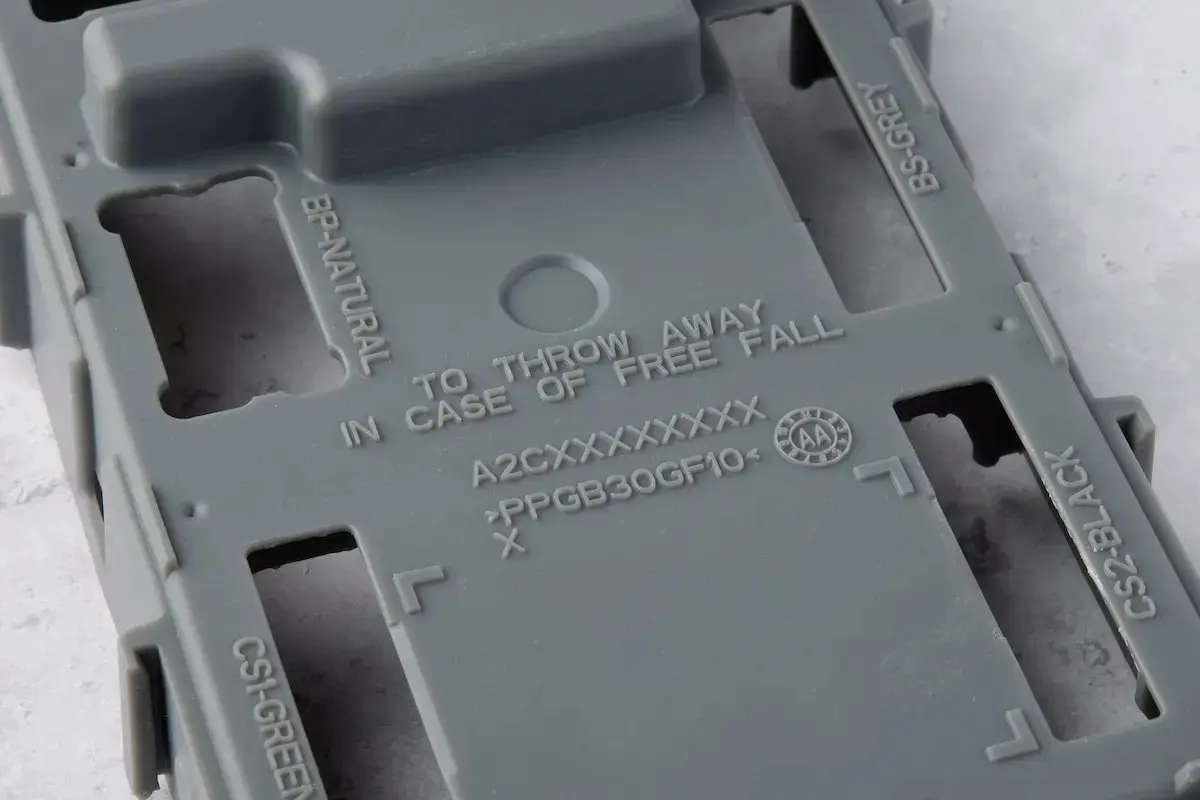
Reliability
Flawless Prints, Every Time
Our team integrates and optimizes hardware, software, and materials to achieve an industry-leading print success rate of 99%, as tested by an independent lab.
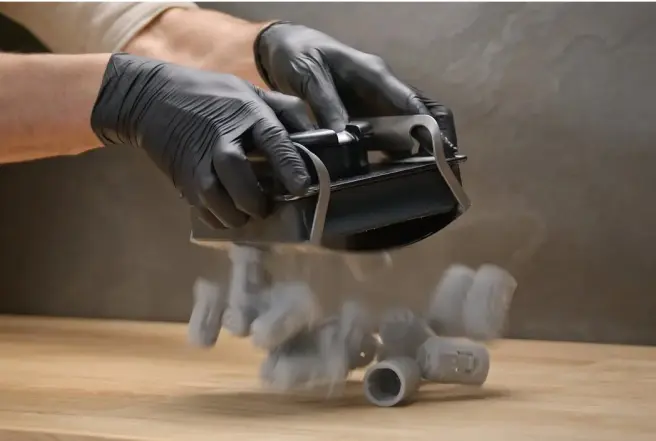
Ease of Use
Seamless Workflow
Go from design to finished part in fewer steps than ever with the streamlined, end-to-end ecosystem.
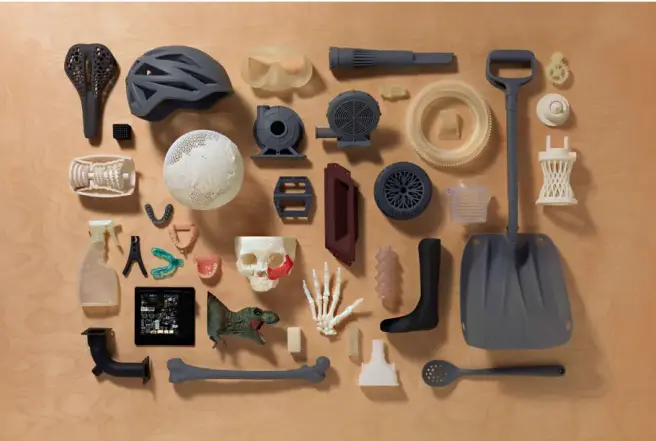
Versatility
High Performance Materials
Formlabs offers the widest range of advanced resin 3D printing materials with standout mechanical, thermal, or biocompatible properties.
Support
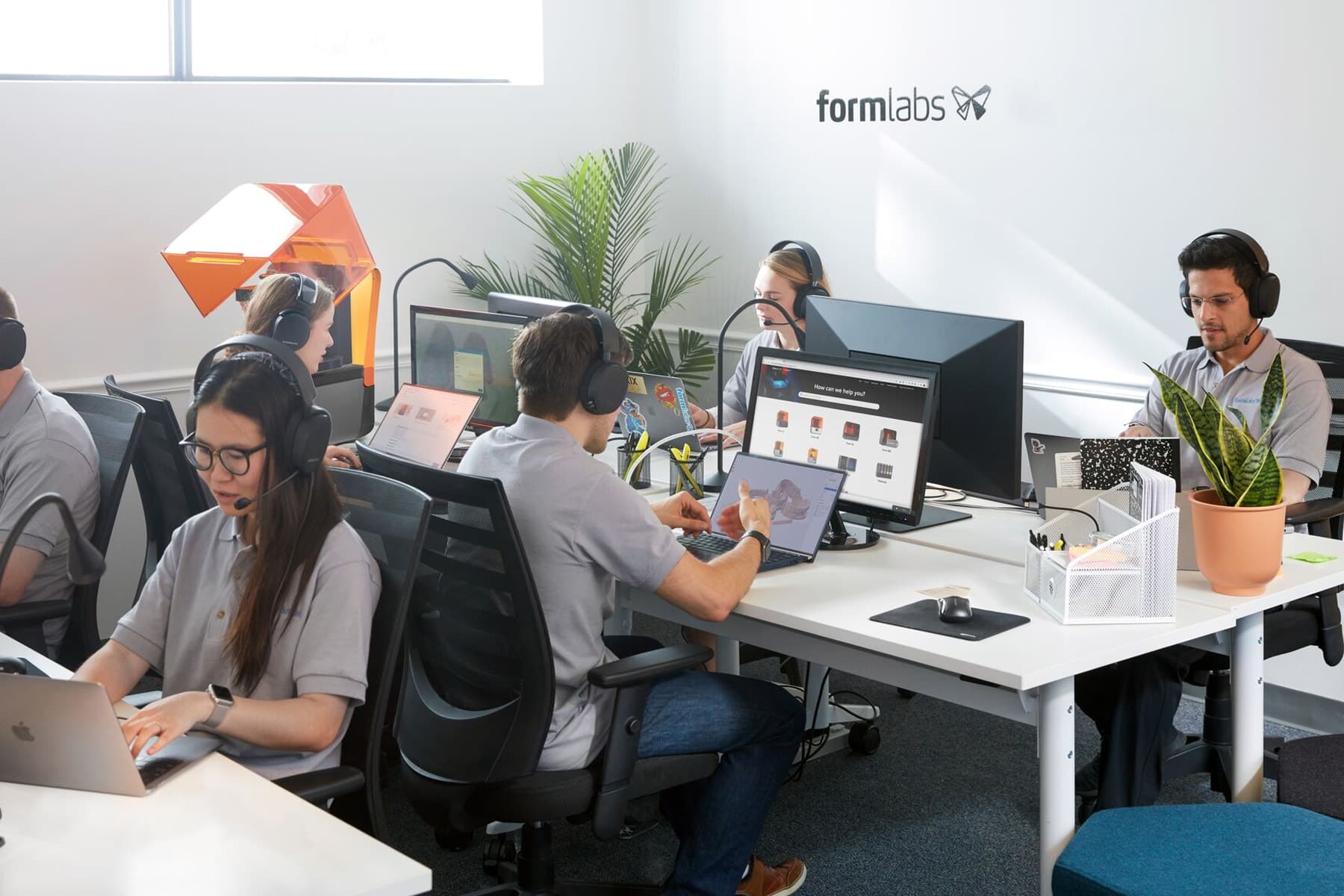
Professional Support
Formlabs Service Plans offer dedicated phone support, training, express replacement service, and more, so you can stay focused on growing your business.
Resin 3D Printing Resources
See all
How Unilever and Serioplast Develop New Bottle Designs With 3D Printed Molds

Perfect Replicas and Next-Day Props: How KNB EFX Melds Technology and Art

How to Use 3D Printing for Injection Molding

Rowing 9,000 Miles Across the Pacific With 3D Printed Parts: The Journey of the Maclean Brothers

Making the Zerømouse Blade “Indestructible” With Tough 2000 Resin and Form 4L

How Form 4L and the Fuse Series Support Innovation at Radio Flyer

How PSYONIC Uses Agile Manufacturing to Build the World’s Most Accessible Bionic Hands

How Brose Leverages SLA and SLS Technology to Bolster Automotive Production

How Ford Developed the New Explorer Using Formlabs SLA and SLS 3D Printers

Form 4 Design Guide
FAQ: Resin 3D Printers
Resin 3D printing is one of the most popular 3D printing processes. It was the world’s first 3D printing technology, invented in the 1980s. Since then, it has gained widespread adoption and awareness due to more accessible systems, revolutionizing the design and manufacturing processes of hundreds of thousands of professionals across a broad spectrum of industries.
Resin 3D printers use a light source to cure liquid resin into hardened plastic in a process called photopolymerization. Watch the video below to see the full workflow.
Resin 3D printed parts have the highest resolution and accuracy, the clearest details, and the smoothest surface finish of all plastic 3D printing technologies. Resin printers are also highly versatile thanks to resin formulations with a wide range of optical, mechanical, and thermal properties to match those of standard, engineering, and industrial thermoplastics.
Resin printing is a great option for highly detailed prototypes requiring tight tolerances and smooth surfaces, such as molds, patterns, and functional parts. Resin 3D printing is widely used in a range of industries from engineering and product design to manufacturing, dentistry, jewelry, model making, and education.
A resin printer can cost anywhere from $300 to over $250,000.
- On the lower end, DIY and hobbyist low-cost resin printers offer an attractive entry price point, but with substantial trade-offs in terms of a labor-intensive workflow, lower reliability, and limited material options.
- Mid-range resin 3D printers are more tailored to professionals, with the Form 3+ starting at $2,499 and the large-format resin printer Form 3L at $4,999.
- Traditional large-format industrial resin printers, used predominantly by service bureaus, are available from around $100,000.
Yes. In fact, filament and resin 3D printers are the two most popular processes found also in educational settings. The easy to use end-to-end ecosystem, extensive training resources, and personal support makes Formlabs' solutions the easiest resin printers to get started with.
This depends entirely on your applications and preferences. Read our in-depth guide that compares filament, powder, and resin 3D printers.
It depends on the material you use, but post-curing enables parts to reach the highest possible strength and become more stable. Achieving optimal properties is especially essential when using functional or specialty resins. For biocompatible materials, post-curing is necessary to achieve the safety standards determined by regulatory agencies. Read more about post-curing resin prints or learn more about the entire workflow for post-processing and finishing resin 3D prints.
It depends on the material you use, but resin 3D prints can be extremely strong. Resin 3D prints are also isotropic, which means that they offer the same strength in the X, Y, and Z directions.
Explore Formlabs' materials portfolio to find the best strong engineering resin for your application.
Yes, resin 3D printed parts are generally waterproof and airtight, and cured resins have extremely low water absorption. Read our white paper for detailed testing results and clear guidelines on how to affordably 3D print customized watertight enclosures.
Resin 3D printing in generally safe, but some low-cost resins might have strong odors requiring ventilation and may contain more hazardous chemicals. Formlabs designs its resins to be as safe as or safer to handle than common household chemicals or adhesives. Learn more about resin care for Formlabs materials and always consult the safety data sheets (SDS) for new materials.
Formlabs offers certified third-party resins and Open Material Mode, an optional one-time lifetime license per printer, that unlocks access any third-party resins. Learn more about Open Platform.
Start Scaling Your Prototyping and Production Today
Contact a Formlabs 3D printing expert for a 1-1 consultation.