
Cleaning after a powder spill (Fuse 1/Fuse Sift)

Powder spills can lead to disruptions and impact the workspace environment. To minimize the risk of spills, avoid overfilling the printer hopper; always stop at the maximum fill line. Ensure that powder bags, powder cartridges, and other powder storage containers are fully closed when transporting powder.

Danger:

Dry powders can build static electricity charges when subjected to the friction of transfer and mixing operations, creating an explosive risk. Follow best practices to reduce this risk:

  • Avoid dust generation and dispersal of powder in air.
  • Use dust explosion proof electrical equipment and lighting.
  • Do not allow dust deposits to accumulate on surfaces. Clean dust residues at regular intervals.
  • Do not use brooms or compressed air hoses to clean surfaces, only a compliant vacuum with static dissipative components, such as a Class II, Division 2 vacuum, for dust collection.
  • Use only non-sparking tools. Keep powder containers tightly closed when not in use.
Notice:

Always consult the safety data sheet (SDS) as the primary source of information to understand safety and handling of Formlabs powders.

Cleaning spills

If powder spills inside the printer, follow cleaning instructions and contact Formlabs Support or a certified service provider to report the spill.

Caution:

Do not use compressed air or an air gun to clean the print enclosure, build chamber, or any other component. Mobilizing loose powder increases the risk of unintentional inhalation or ingestion.

If powder spills outside the printer, clean it immediately with a compliant vacuum with static dissipative components. A compliant Class II, Division 2 vacuum is available for purchase from Formlabs on the Formlabs store.

Reusing spilled powder

Notice:

Powder contaminated with foreign matter may cause print failures. Do not reuse spilled powder.

If mobilized powder settles onto a surface other than the Fuse Sift's workspace, it should be considered waste and disposed of.

Unsintered SLS powder must be disposed of in accordance with applicable ordinances and environmental regulations for plastic waste. Particular caution must be taken with powdered plastic, as it is a microplastic and poses severe environmental repercussions.

Caution:

Unsintered SLS powder is classified as a microplastic, a group of plastics that are hazardous to aquatic life. Do not dispose of unsintered used powder into drains or household waste streams. Safe and appropriate disposal methods of unsintered used powder vary by location. Consult the safety data sheet (SDS) from the powder supplier as the primary source of information to understand safe disposal of unsintered material.

Attempting to recapture spilled powder and add it to either powder hopper in the Fuse Sift may inadvertently bring contaminants with it. More generally, any powder captured by the vacuum should also be considered waste. This is true even if the vacuum bag is brand new (as it is made of synthetic fibers) and it only contains powder.

For more information on avoiding powder contamination, see the support article on maintaining powder cleanliness.

Preventing powder spills

  • Avoid overfilling the printer hopper or Fuse Sift fresh powder hopper; always stop at the maximum fill line.
  • Ensure that powder bags, powder cartridges, and other powder storage containers are fully closed when transporting powder.
  • Do not disconnect the Fuse Sift from power while filling a powder cartridge. If the Fuse Sift is powered off while the doser assembly is dispensing powder, it will remain open and continue to release powder even after the powder cartridge is full.
  • After prolonged usage, powder in the doser assembly gears can cause the mechanism to stick in place (either open or closed). If this happens, clean the doser assembly.

Fuse Sift powder leaks

Holes within the Fuse Sift (e.g., in the hoppers, sifter assembly, or other powder handling components) can allow powder to leak out of the machine and into your workspace.

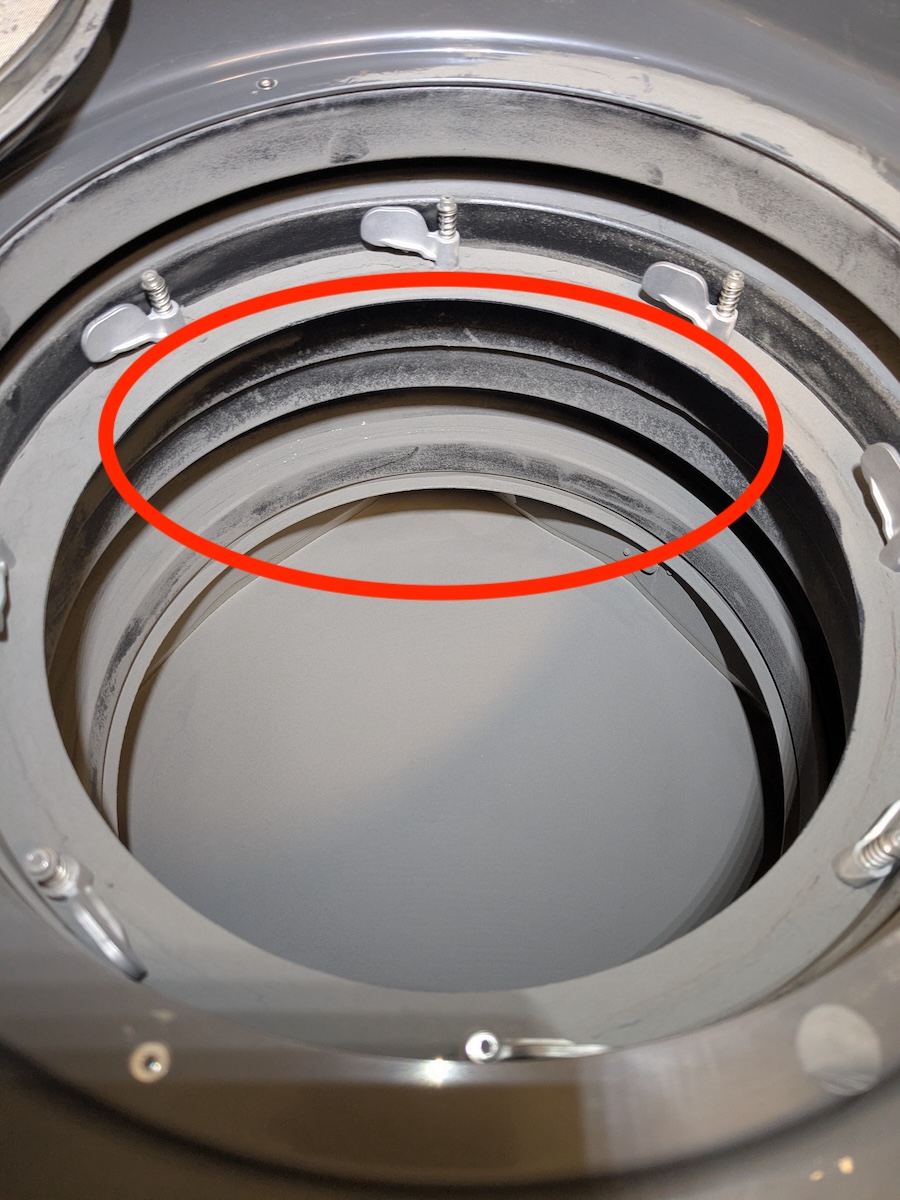
The Fuse Sift sifter mechanism is attached to the sifter mesh and used powder hopper via a set of flexible bellows. If the bellows are torn, powder can bypass the used powder hopper and accumulate below the Fuse Sift. Remove the sifter mesh, inspect the bellows for damage, and repair any tears with RTV silicone sealant or a similar material. Fuse Sift bellows, annotated
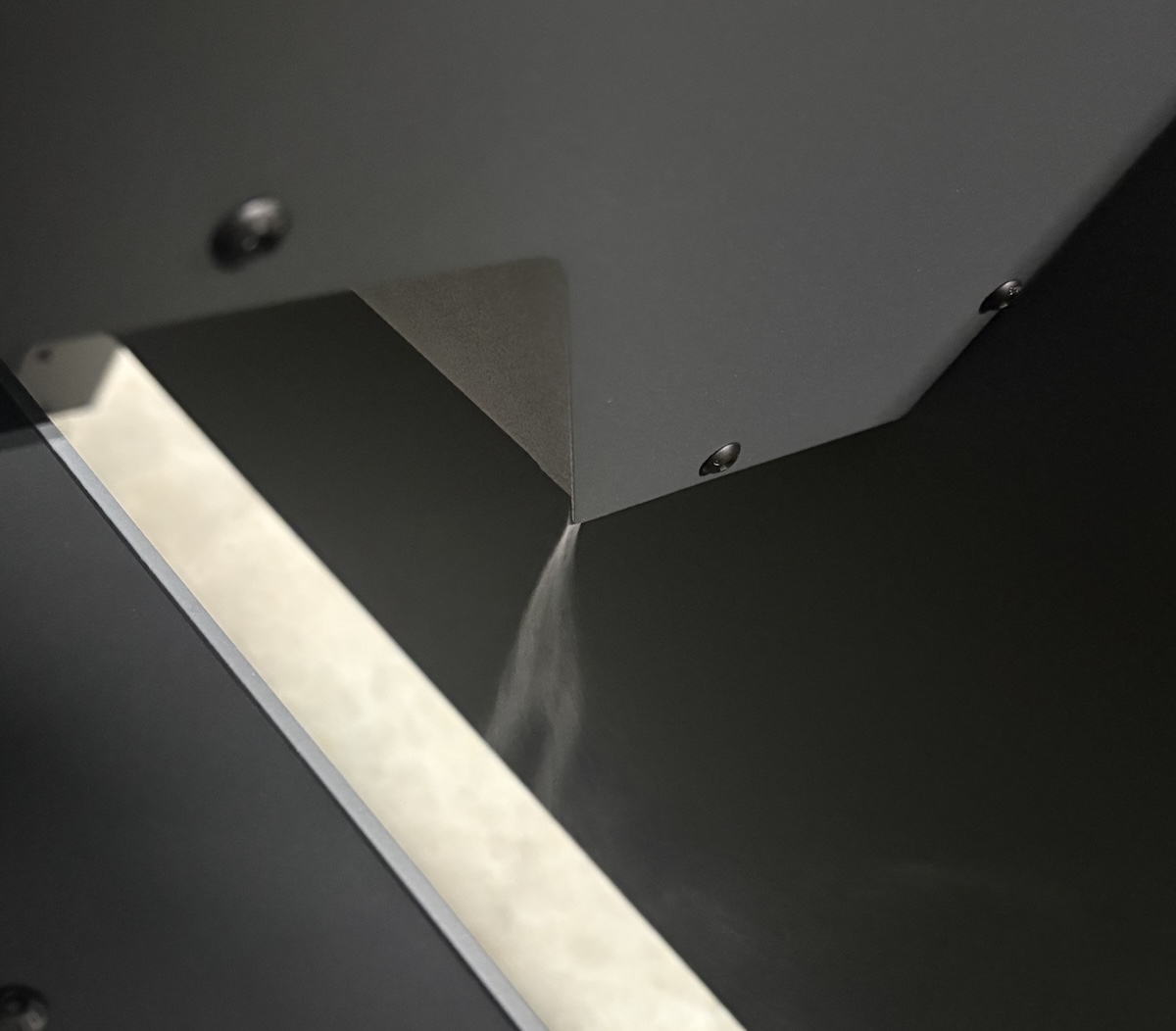
The Fuse Sift hoppers are made of sheet metal panels welded together at their edges. If there are gaps in any of these welds, powder can leak out. The leak may be visible behind nearby external panels. Identify the hopper that is leaking, empty it, then inspect it from the inside for any gaps along the edges. Repair any gaps with RTV silicone sealant or a similar material.Powder leaking from the fresh powder hopper