Familiar, industry-standard materials now available on-demand — Nylon 12, Nylon 11, TPU, and more — with an agile workflow that eliminates reliance on external machinists or tooling.
A SIDE-BY-SIDE COMPARISON Learn MoreRequest a Sample Part
Formlabs Fuse 1+ 30W vs. HP Multi Jet Fusion 1200
Looking for a versatile, professional 3D printer for producing strong, long-lasting parts? See why the Formlabs Fuse 1+ 30W is the leading industrial-grade SLS 3D printing platform, chosen by more than half of the SLS users in the world.
Compare the Formlabs Fuse 1+ 30W vs. HP Multi Jet Fusion 1200
Formlabs Fuse 1+ 30W
Availability
Formlabs Fuse 1+ 30W
Available now
Build your quote in our online store and buy directly from Formlabs via sales or locally from a worldwide partner network.
Product Maturity
Formlabs Fuse 1+ 30W
The #1 SLS 3D printing platform
The Fuse Series is the most popular SLS 3D printing ecosystem on the market, chosen by more than half of the SLS users in the world.
Commercial units shipped: 3,000+
Costs
Formlabs Fuse 1+ 30W
Starting at $24,649, complete setup for $57,617
The Fuse 1+ 30W starts at $24,649, which covers the printer and a manual post-processing setup. The Complete Package, at $57,617, adds a second build chamber, automated depowdering, media blasting, and polishing solutions, plus an uptime kit.
Because the printer itself is more affordable, it’s much more cost-effective to scale your fleet as production grows or to add units dedicated to different materials.
MATERIAL COSTS
$99/kg, as low as $45 for bulk orders
Nylon 12 Powder costs $99/kg, while other high-performance or more niche materials are offered at only a slight premium. Significant discounts are available for high-volume orders, starting at 20% for customers purchasing 50 kg of powder in bulk, and prices can reach as low as $45 per kilogram.
AGENTS AND PRINTHEADS
$0/kg
SLS 3D printers don’t require any additional consumables besides the powder.
ANNUAL OPERATING COSTS
$0–4,500
The Fuse 1 Series Complete Service Plan costs $2,700/year when purchased as a 5-year plan, or $4,500 for a single year. The service plan is not mandatory.
Technology
Selective Laser Sintering (SLS)
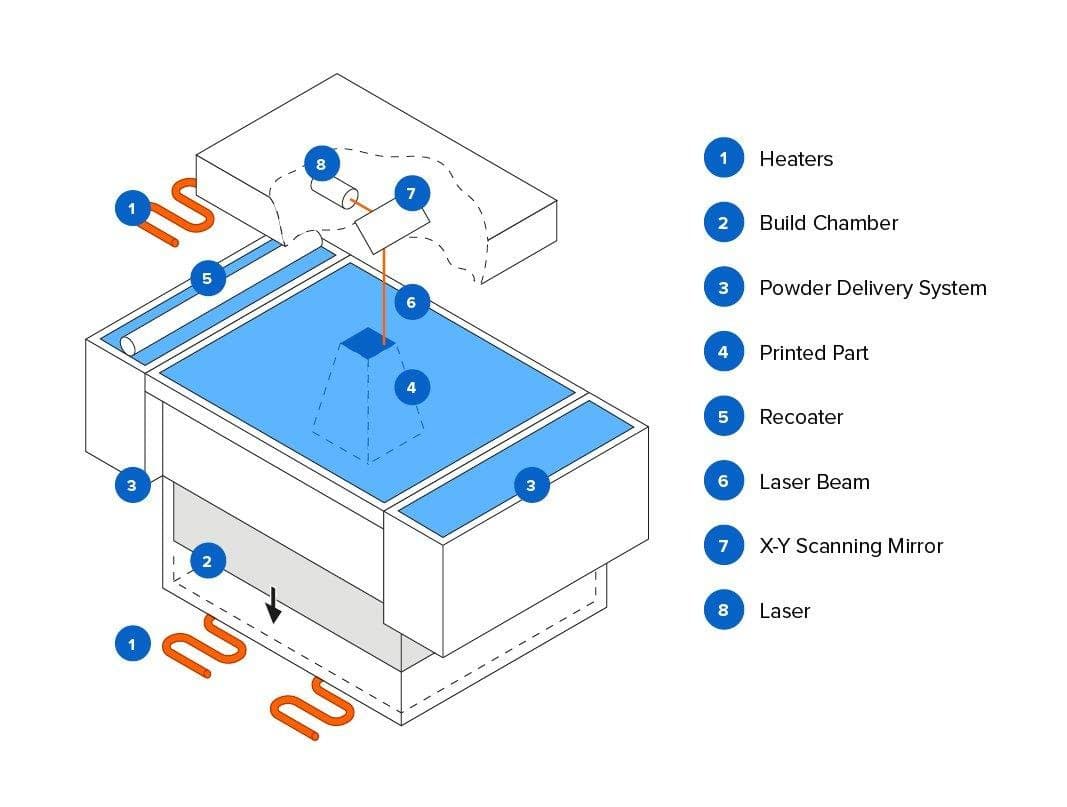
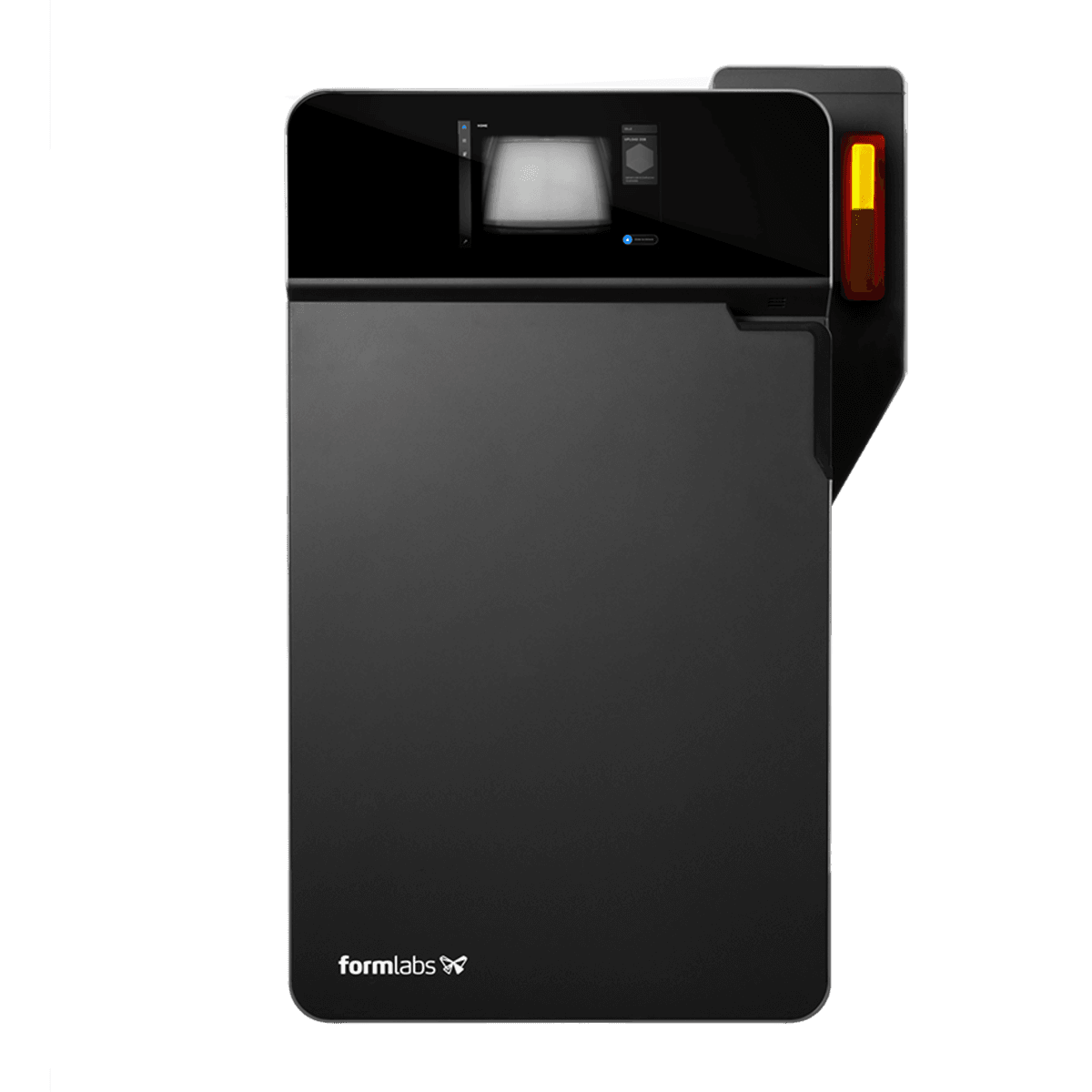
SLS 3D printers use a high-power laser to sinter polymer powder into a solid structure. The Fuse 1+ 30W is the first benchtop industrial SLS 3D printer that offers high quality, a compact footprint, and a complete, simplified workflow at a fraction of the cost of traditional industrial SLS systems.
Build Volume16.5 x 16.5 x 30 cm
16.5 x 16.5 x 30 cm
6.5 x 6.5 x 11.8 in
8.2L
Maximum packing density
26% vol / 34% mass
Packing density directly determines cost per part, material waste, and throughput. Fuse 1+'s 26%+ volume / 34%+ mass maximum packing density is the highest among powder bed fusion 3D printers and the single biggest operational differentiator.
EFFICIENCY
Minimal waste
Parts in the Fuse 1+ 30W’s build chamber can be packed tightly together to maximize density. Thanks to the 30% powder refresh rate for Nylon 12 Powder and 20% for Nylon 12 Tough and TPU 90A Powder, you can print with up to 80% recycled powder for unlimited cycles. This means that you can print with minimal waste for tightly packed production builds.
Materials
Formlabs Fuse 1+ 30W
Seven validated materials
The Fuse 1+ 30W currently enables seven high-performance materials with fine-tuned settings that are undergoing constant testing and improvement through software updates to ensure peak performance. Formlabs not only meticulously tunes settings, but also updates the printing process to enable new materials.
Available now: nylon 12 (standard, tough, glass-filled, white), nylon 11 (standard, carbon fiber-filled), and TPU. More materials are in development.
Open Ecosystem
Print with any 1064 nm powder with Open Material Mode.
MATERIAL CHANGEOVER
Multi-material capable
Switching materials is possible within a few hours. Due to the lower hardware costs, it's also substantially cheaper to build out a multi-material fleet.
Accuracy
Formlabs Fuse 1+ 30W
Dimensionally accurate parts with high repeatability
Fuse 1+ 30W achieves a standard XY tolerance of +/- 0.5% or 0.3 mm, whichever is larger. For the Z-axis, the overall accuracy is +/- 1% or 0.6 mm, whichever is smaller, but the repeatability and precision of individual parts are exceptionally high, maintaining +/- 0.5 % in any given location. These results compare favorably to large industrial systems.
Ease of use
Formlabs Fuse 1+ 30W
Plug and print
From print setup to powder recovery, our easy-to-use hardware and software are designed to maximize your efficiency at every step of the process. Easy workflow empowers anyone at your company to use the system independently after a quick online or in-person training.
Post-processing
Formlabs Fuse 1+ 30WLearn More About Fuse SiftLearn More About Fuse Blast
Fast and automated
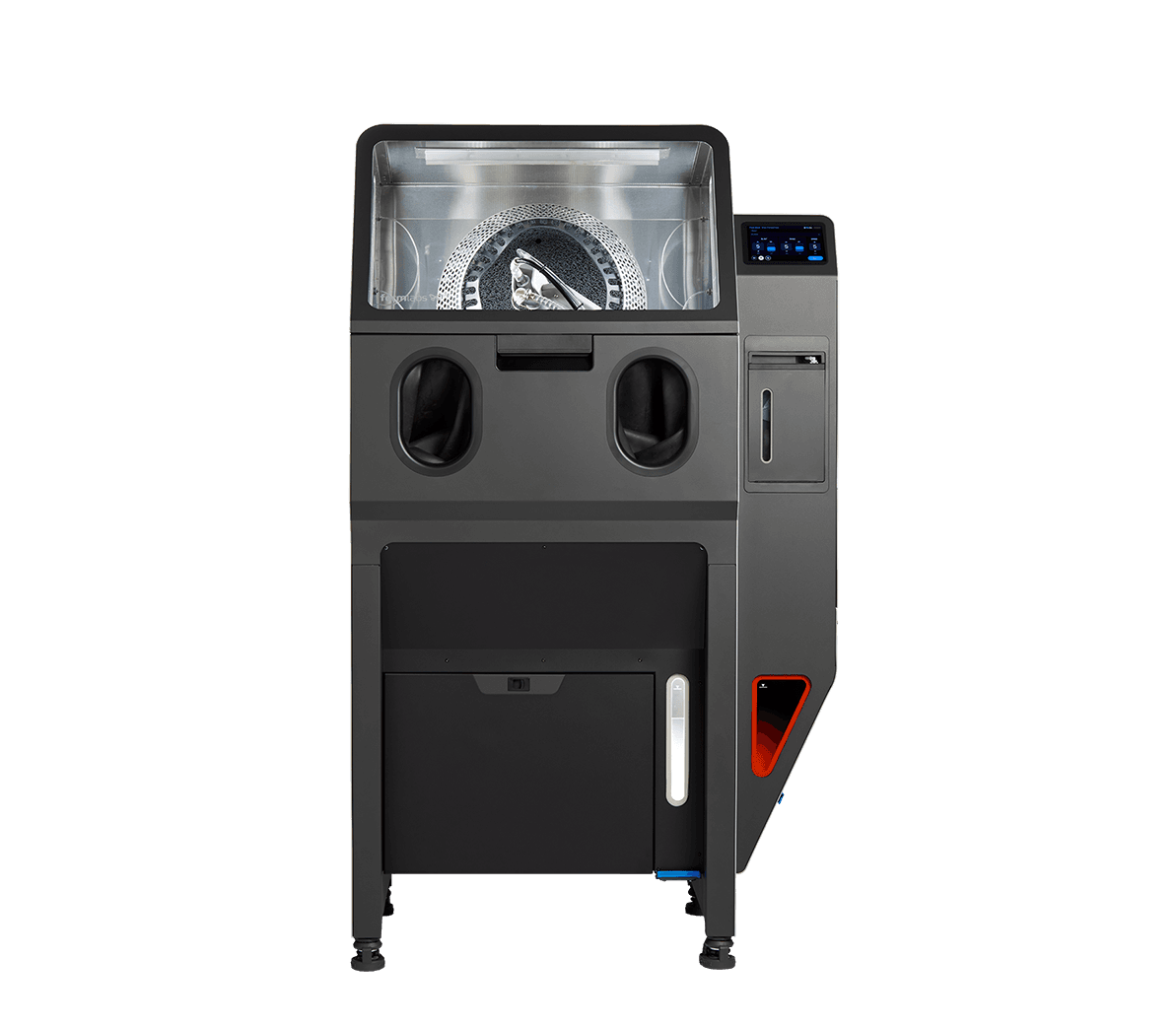
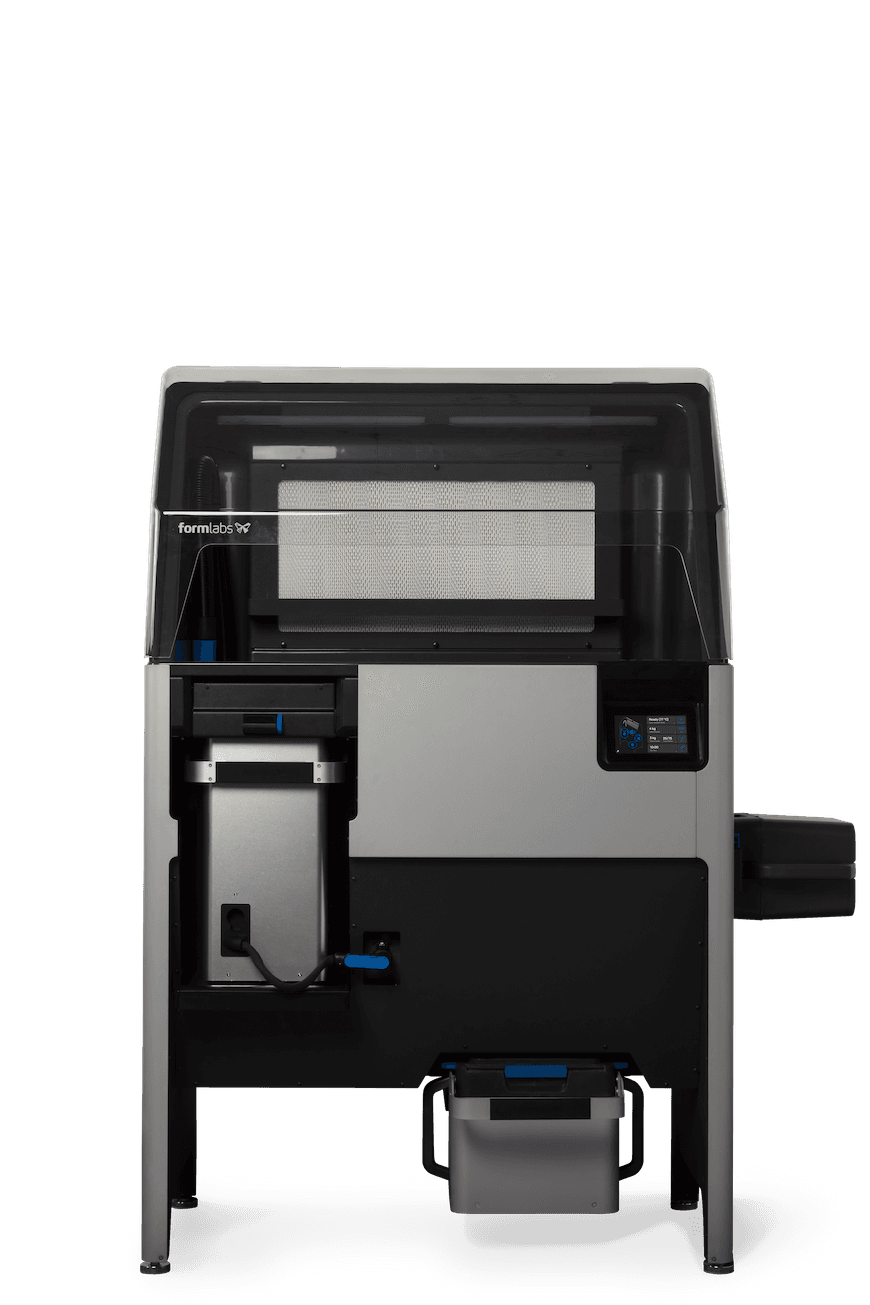
Go from printed to finished parts in as little as 15 minutes with the streamlined Fuse Series post-processing ecosystem. Fuse Sift is an all-in-one, safe, efficient powder recovery system that filters, measures, mixes, and stores powder, while Fuse Blast is an easy-to-use, fully automated cleaning and polishing solution (media blaster) to deliver consistent, professional-grade parts with minimal manual labor.
Maintenance
Formlabs Fuse 1+ 30W
Efficient
Fuse 1+ 30W is designed for minimal upkeep. The system offers proactive maintenance alerts, and a full-color touchscreen interface guides you through every step of printing and maintenance. The hopper-based powder delivery system enables completely contained powder loading. The self-regulating dosing system paired with adaptive dosing algorithms minimizes wasted powder in the print process.
Software
Formlabs Fuse 1+ 30W
Powerful, easy to use, free, and updated regularly
Formlabs' free print preparation software, PreForm, makes it easy to set up a print in minutes and offers the industry-leading packing algorithm to maximize efficiency. PreForm is available for both Windows and Mac. You can also use the online Dashboard to manage a fleet of printers, monitor prints, track materials and consumables, and work with your team. PreForm is updated regularly with new features.
Service
Formlabs Fuse 1+ 30WExplore the Fuse Complete Service Plan
Premium service worldwide without a premium price
Formlabs offers up to five years of premier support service for Fuse 1+ 30W customers with direct phone and email support, customized remote training, on-site visits and repairs from local certified SLS experts, annual preventative checkups, and a worry-free warranty — worldwide.
The Fuse 1 Series Complete Service Plan costs $2,700/year when purchased as a 5-year plan, or $4,500 for a single year. The service plan is not mandatory.
HP Multi Jet Fusion 1200
Availability
HP Multi Jet Fusion 1200
Estimated to ship in early 2027
HP MJF 1200 was announced in April 2026 and is targeted to ship in early 2027. General availability may vary by region.
Product Maturity
HP Multi Jet Fusion 1200
A brand-new, unreleased product line
The MJF 1200 is HP's first compact Multi Jet Fusion system, positioned below its established Jet Fusion 5000/5600 Series.
Commercial units shipped: 0
Cost
HP Multi Jet Fusion 1200
Starting at $63,630, complete setup for $85,000+
The HP Multi Jet Fusion 1200 starts at $63,630, which includes the printer, a material management system, a natural cooling unit, a material tank, a material recovery unit, and Magics Print for HP software. A package roughly equivalent to the Fuse 1+ Complete Package, including a third-party media blasting solution, costs around $85,000.
On its own, the HP printer costs $46,200, nearly twice the price of the Fuse 1+ 30W, which makes scaling your fleet substantially more expensive if you need to increase capacity.
MATERIAL COSTS
$105/kg, no information on bulk discounts
HP’s PA 12 starts at $105/kg. There’s no information yet on more favorable per-kilogram pricing available at higher committed volumes.
AGENTS AND PRINTHEADS
$20–30/kg
The MJF print process requires fusing and detailing agents, and printheads, which add about $20-30/kg. Agents add per-build cost regardless of how full the chamber is. HP's own cost benchmarks assume 10% packing density. Below that, material costs escalate dramatically because agents are consumed regardless of density and powder refresh rates don't scale favorably.
ANNUAL OPERATING COSTS
$6,000
HP states its mandatory service contract is priced at approximately 10% of the full solution hardware price per year (roughly $6,000/year on a sub-$60K system).
Print Technology

Multi Jet Fusion (MJF)
HP MJF 3D printers use an inkjet array that first deposits fusing, detailing, and coloring agents, and during another pass, exposes the powder bed to infrared energy, which fuses the part’s layers together. While the process is different, the end result is similar to SLS.
Build Volume32 x 16.5 x 23 cm
32 x 16.5 x 23 cm
12.6 x 6.5 x 9.06 in
12L
Maximum packing density
10-12% vol / 16-19% mass
The maximum recommended packing density for HP MJF systems is 10–12%. At higher densities, thermal buildup causes defects. This is a structural limitation of the IR heating mechanism of MJF 3D printers.
EFFICIENCY
Wasteful
The MJF process requires parts to be spaced well apart to minimize thermal buildup and maintain a consistent packing density throughout the build volume. In practice, the recommended packing density is limited to approximately 10–12% by volume (maximum 16-19% by mass). With a 20% powder refresh rate for Nylon 12, this means that you waste a significant amount of powder with each print.
Materials
HP Multi Jet Fusion 1200
One validated material
HP has so far only announced nylon 12 for the MJF 1200.
The exact validation and availability of any other materials are unclear.
Closed Ecosystem
HP’s MJF 3D printers have a closed material ecosystem limited to HP-certified materials only, with no option for open material mode.
MATERIAL CHANGEOVER
N/A
There’s only one material available.
Features and Ease of Use
HP Multi Jet Fusion 1200
N/A
Not yet published or independently verified.
Ease of use
HP Multi Jet Fusion 1200
Plug and print
Based on the information available on the MJF 1200 so far, the printer offers similar functionality and workflow to the Fuse 1+ 30W.
Post-processing
HP Multi Jet Fusion 1200
Incomplete
HP doesn't offer its own media blasting solution, but future customers can purchase third-party tools, such as Fuse Blast, to streamline their post-processing workflow.
Maintenance
HP Multi Jet Fusion 1200
N/A
Software
HP Multi Jet Fusion 1200
Complex
Magics Print for HP (developed with Materialise) handles build preparation, and HP 3D Center provides monitoring and fleet management — both included at no additional cost.
Support
HP Multi Jet Fusion 1200
Expensive
Service contracts are expected to run roughly 10% of the full solution hardware price per year, which translates to $6,000/year. Full plan tiers and worldwide coverage details have not yet been published.
Do you have more questions about the differences between these solutions?
Request a Sample 3D Print
See and feel Formlabs quality firsthand. We’ll ship a sample part to your office.
Explore Material Properties
Bulk Powder Pricing for Your Lowest Cost Per Part
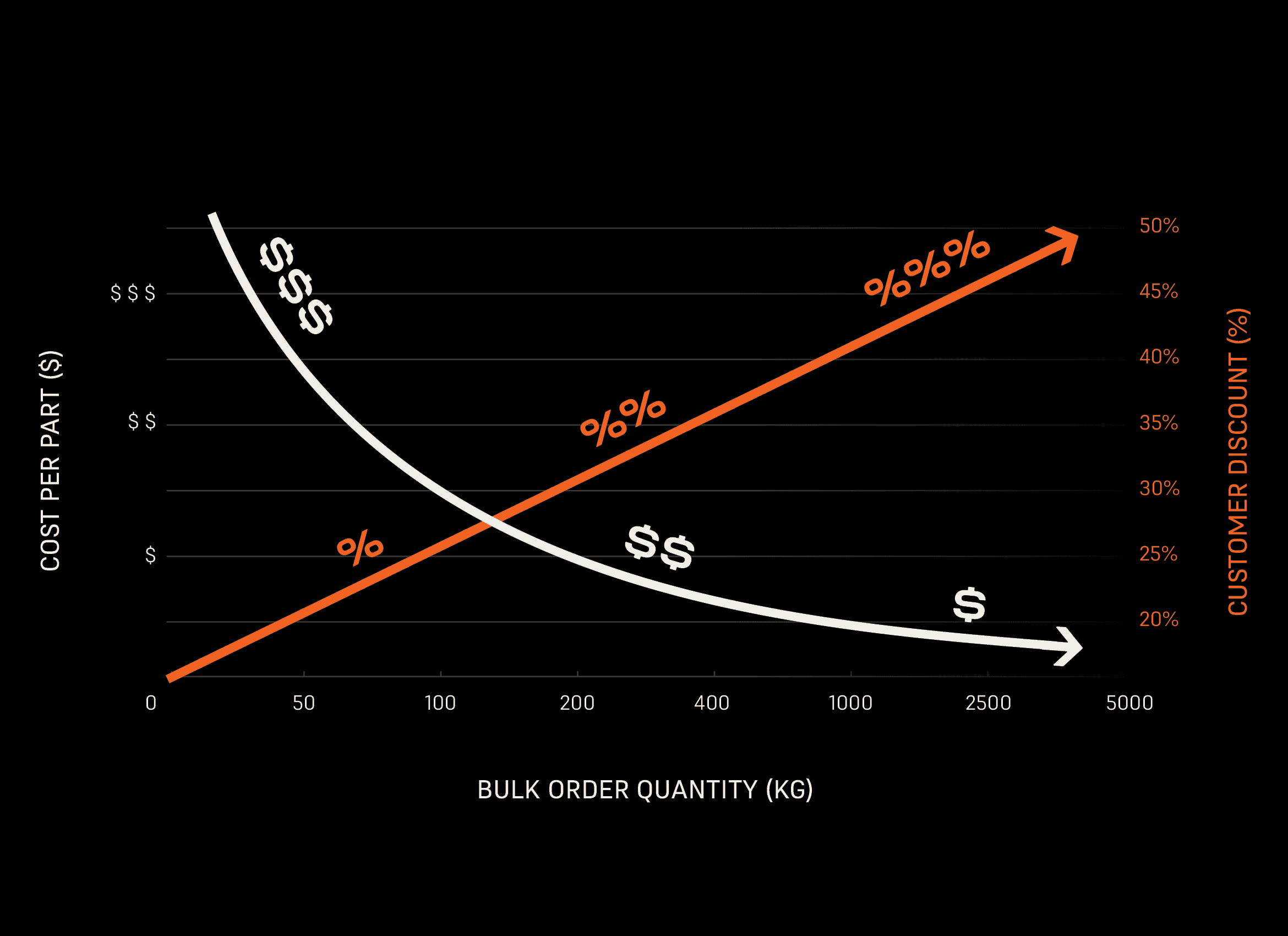
3D printing is now cost-effective even at higher volumes thanks to substantial volume discounts for our SLS Powders. Discounts start at 20% for customers purchasing 50 kg of powder in bulk and prices can reach as low as $45 per kilogram.
Lowest cost per part for up to tens of thousands of parts, faster than with any traditional manufacturing method.
- $10.7Fuse 1+ 30W*Nylon 11 PowderLead time: 2 days
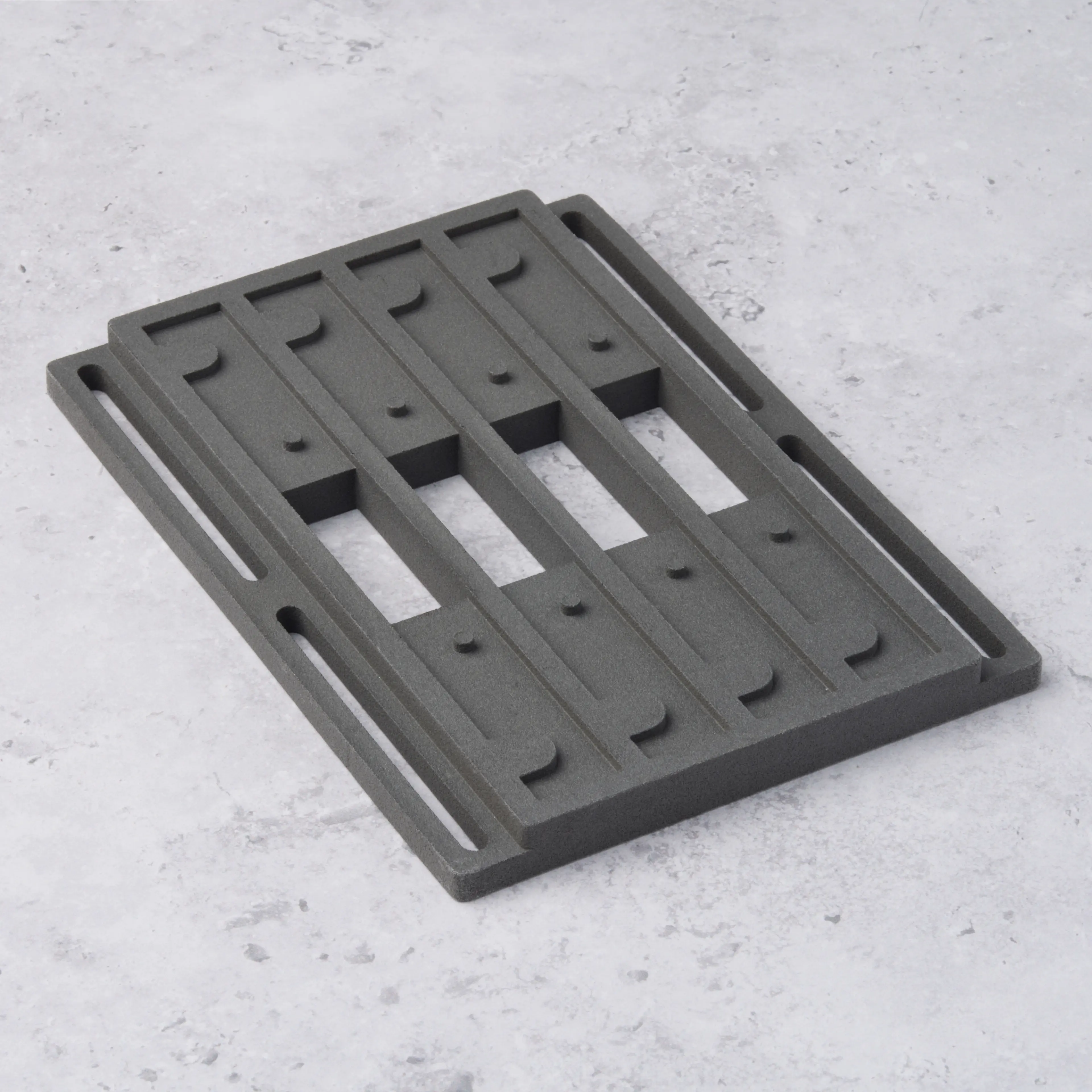 $47.24Industrial SLS (Outsourced)Lead time: 10 days$192.01Machining Cost (Outsourced)Lead time: 13 days$4.99Injection Molding (Outsourced)Lead time: 5 weeks
 - $9.03Fuse 1+ 30W*Nylon 12 PowderLead time: 2 days
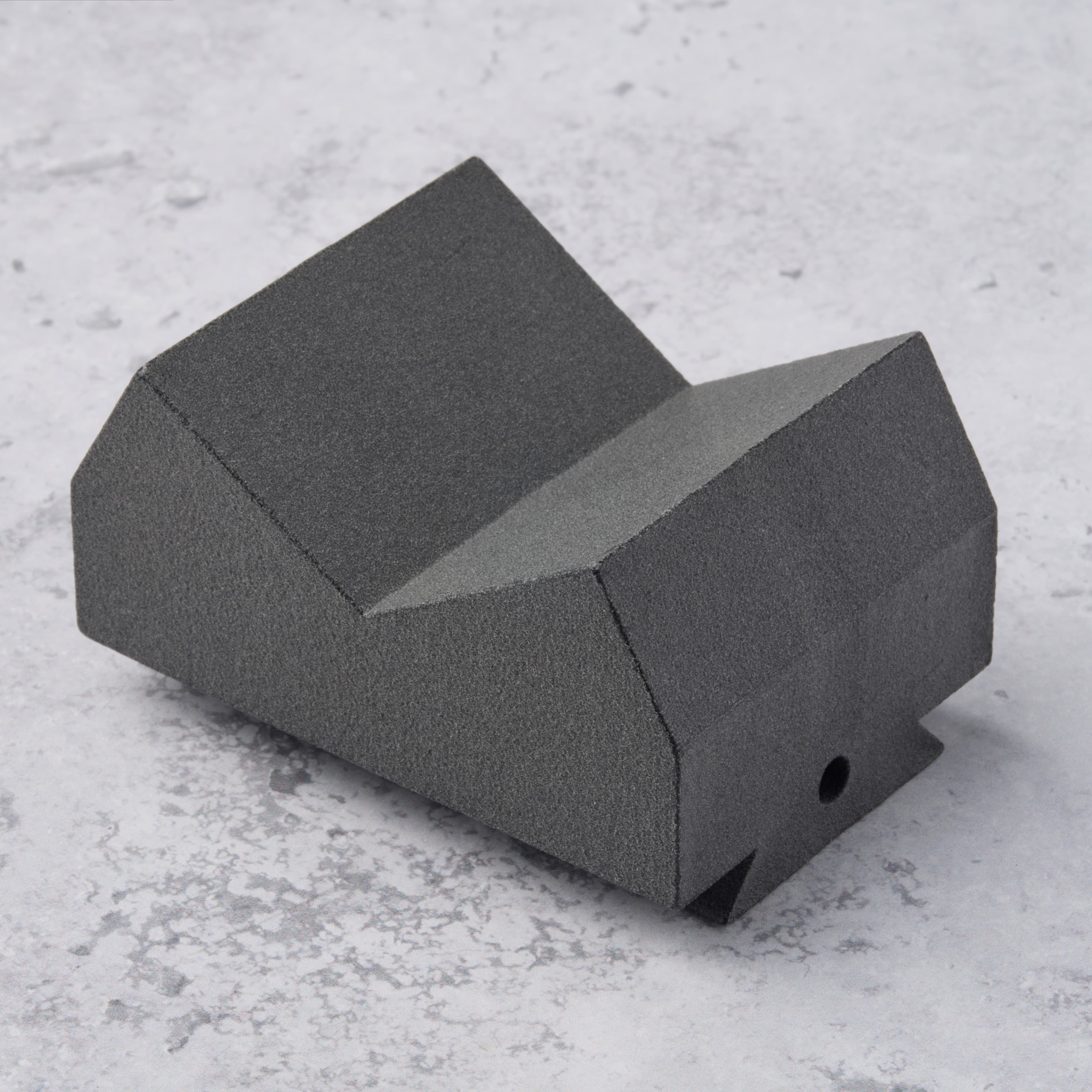 $40.25Industrial SLS (Outsourced)Lead time: 6 days$103.34Machining Cost (Outsourced)Lead time: 20 days$4.25Injection Molding (Outsourced)Lead time: 6 weeks
 - $0.87Fuse 1+ 30W*Nylon 12 PowderLead time: 2 days
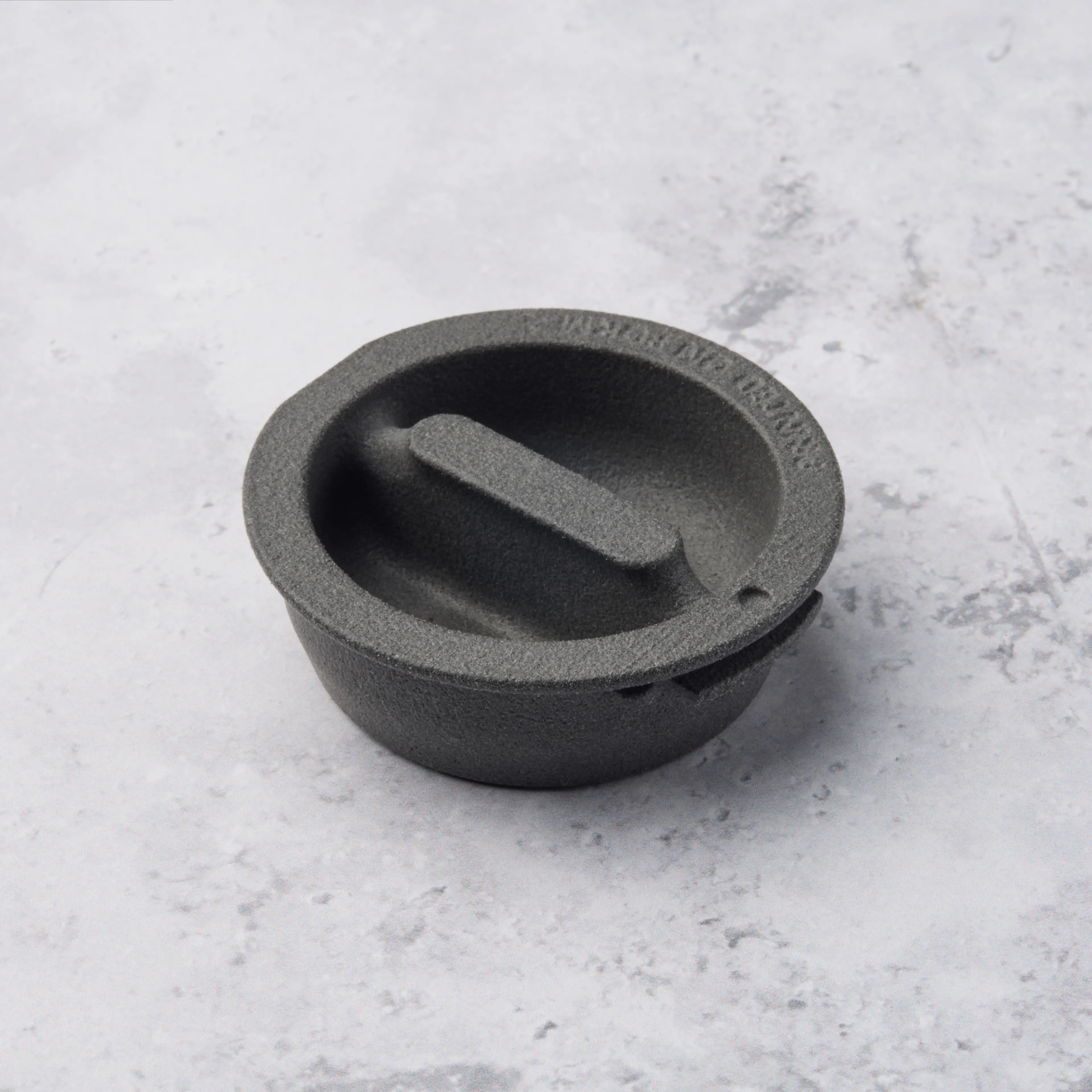 $30.4Industrial SLS (Outsourced)Lead time: 6 days$301.08Machining Cost (Outsourced)Lead time: 10 days$2.84Injection Molding (Outsourced)Lead time: 5 weeks
 - $6.93Fuse 1+ 30W*Nylon 12 PowderLead time: 2 days
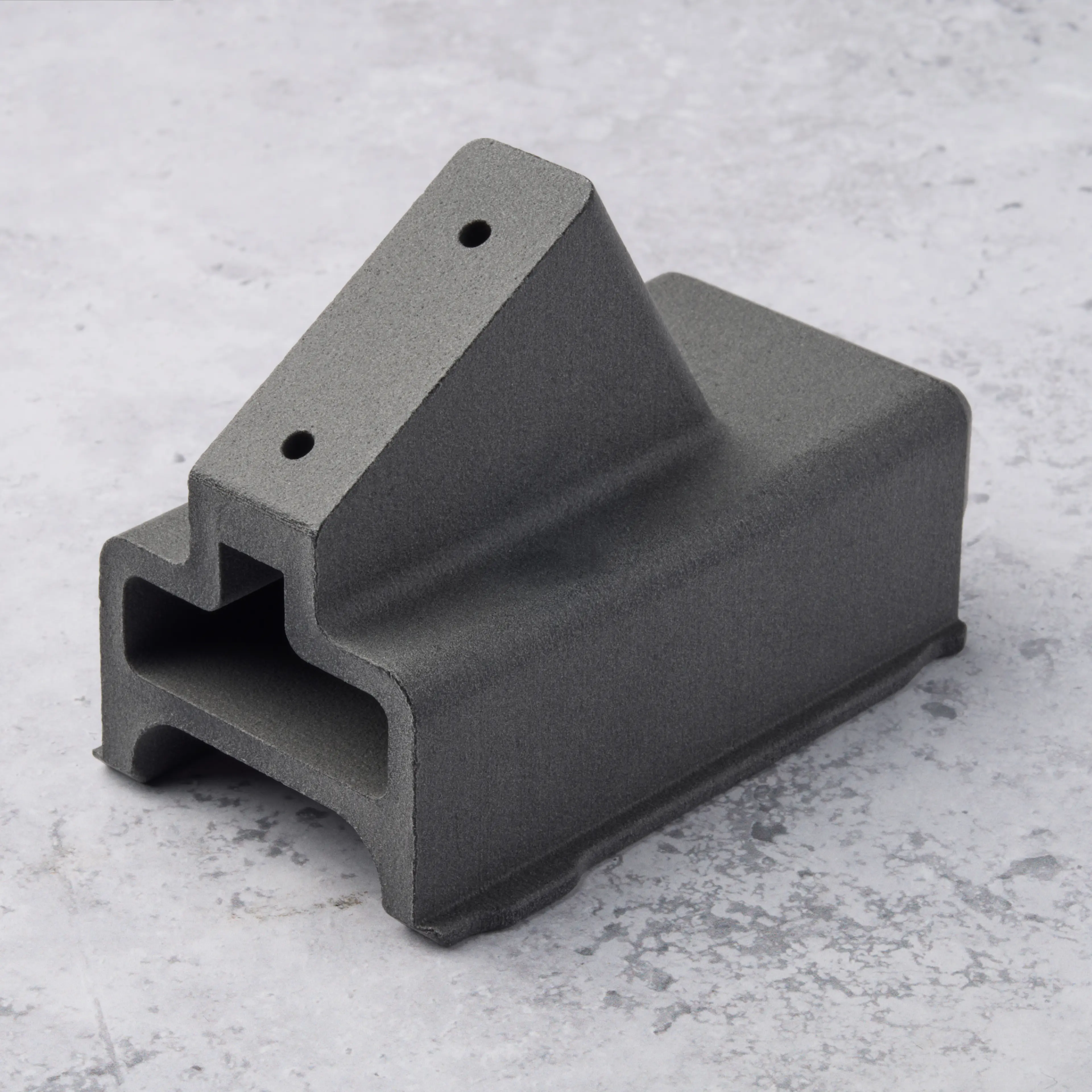 $37.35Industrial SLS (Outsourced)Lead time: 9 days$543.07Machining Cost (Outsourced)Lead time: 20 days$4.25Injection Molding (Outsourced)Lead time: 6 weeks
*Powder discount 10%
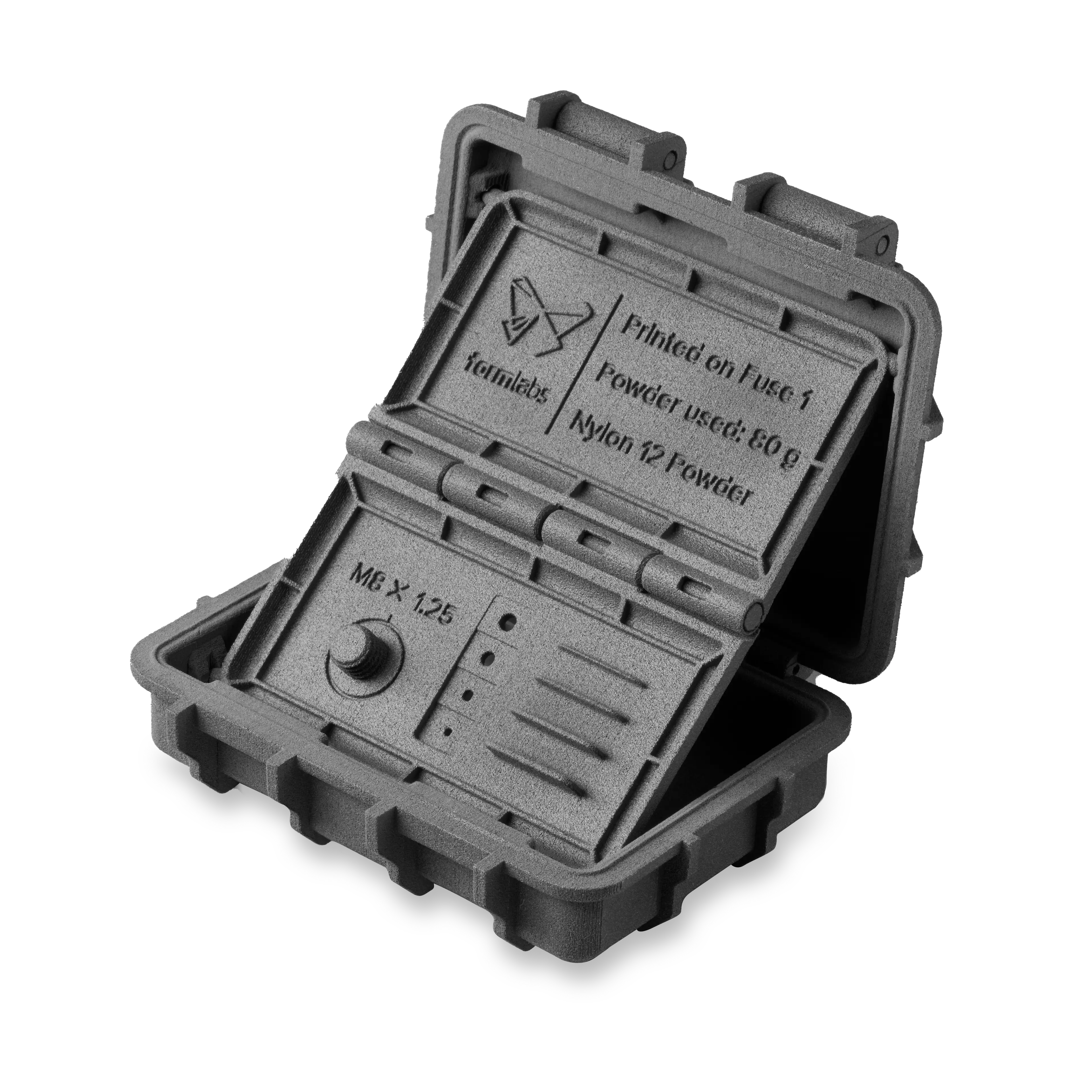
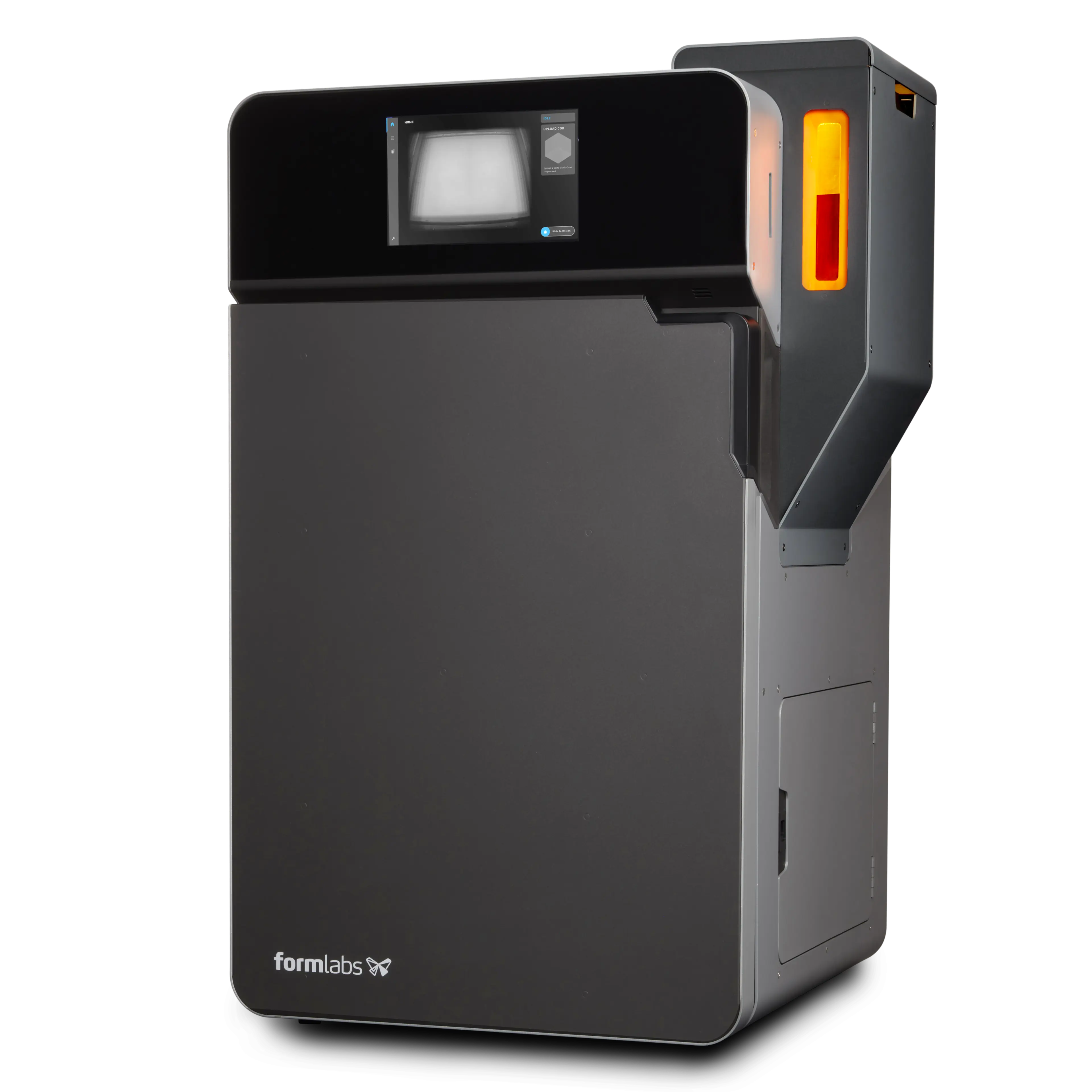
Scalable and Affordable: Expand Your Fleet As Necessary, On-Demand
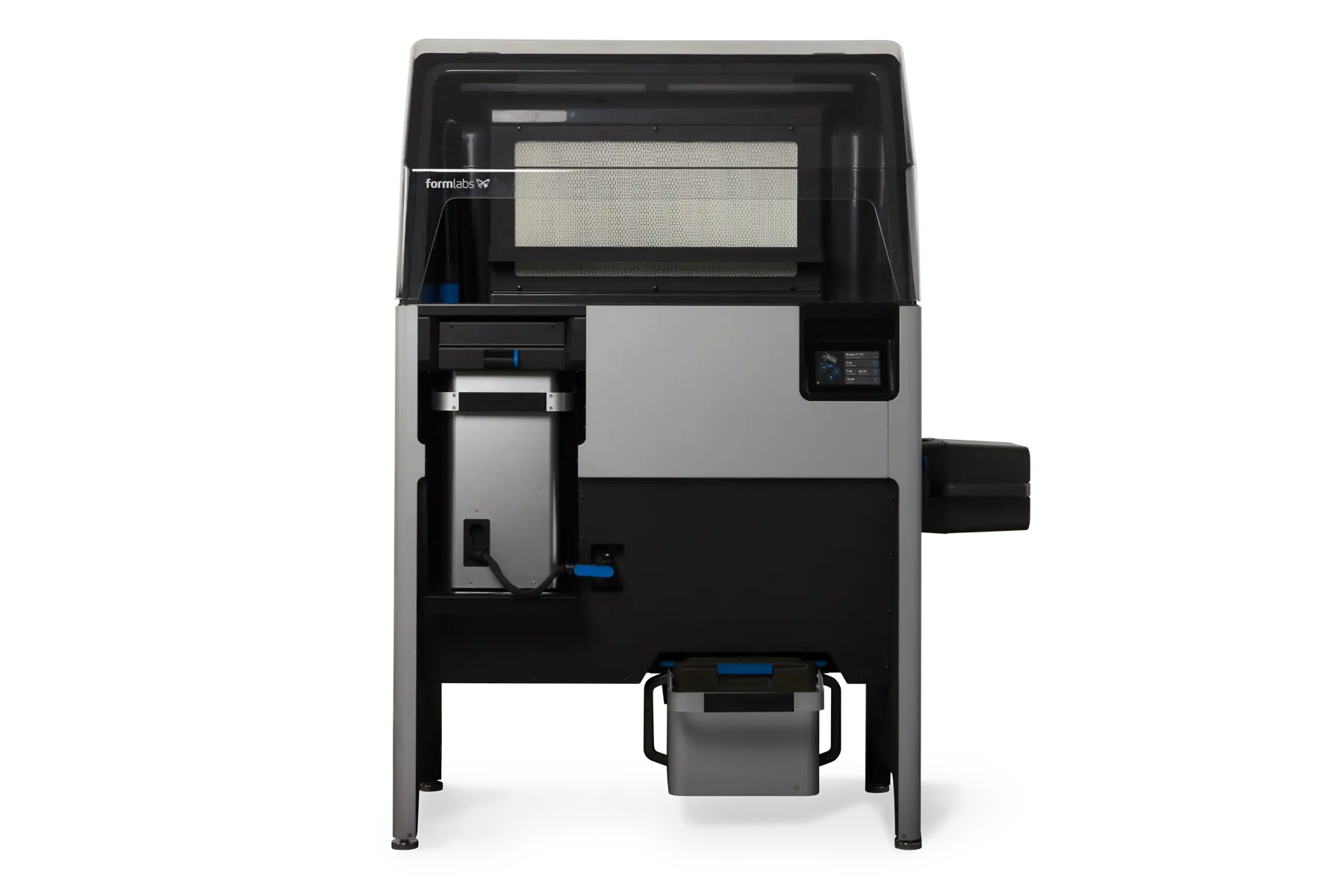
Fuse Sift
Compact and efficient powder management system.
Extract, reclaim, and mix powder in one compact station with an enclosed workflow that keeps your shop clean and your printers running.
A Fuse Sift is equipped with an HEPA filter, as well as a negative air pressure system that keeps powder inside, while enabling open access and easy cleanup.
Extract, reclaim, and mix powder in one compact station with an enclosed workflow that keeps your shop clean and your printers running.
A Fuse Sift is equipped with an HEPA filter, as well as a negative air pressure system that keeps powder inside, while enabling open access and easy cleanup.
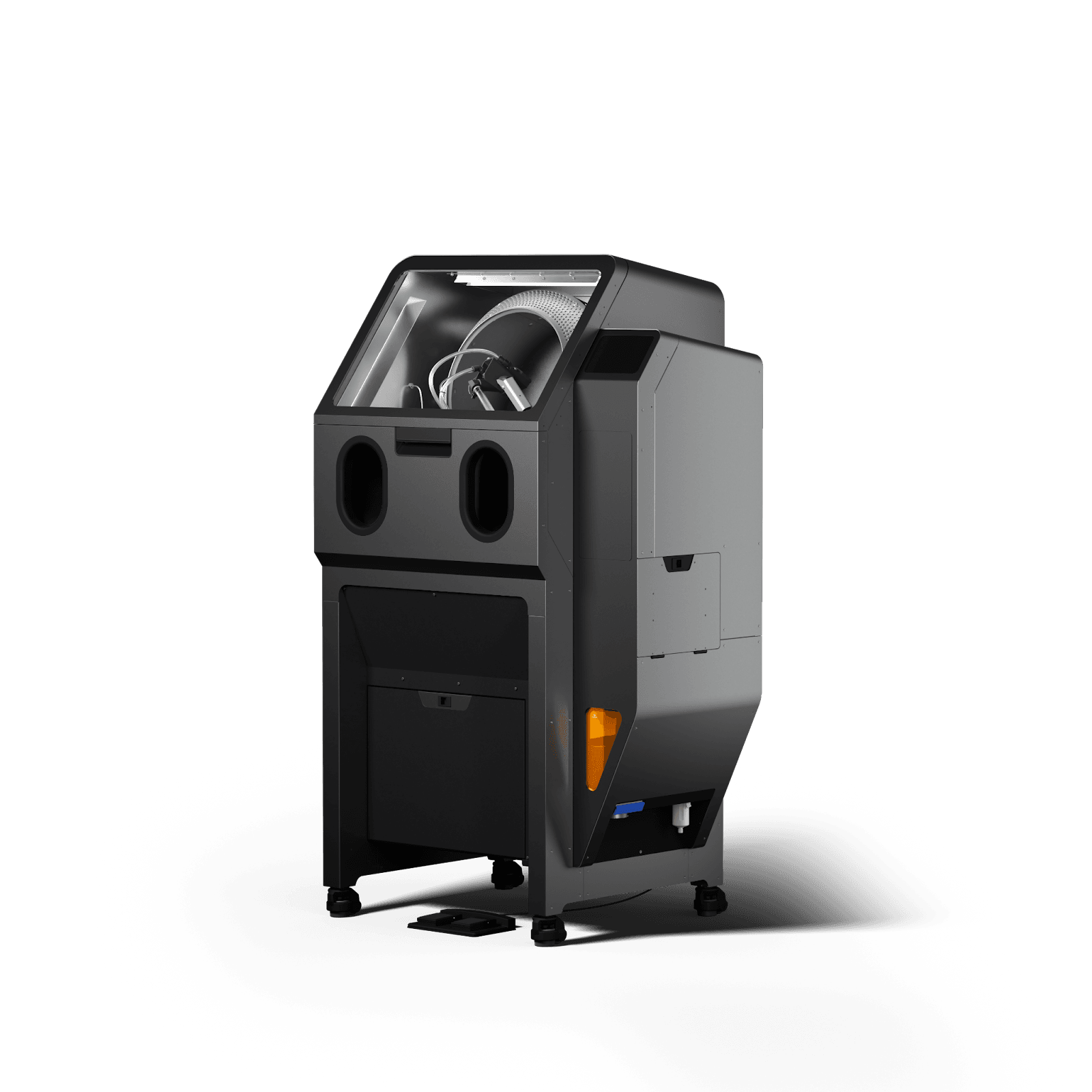
Fuse Blast,
finished parts in 15 minutes.
Fully automated cleaning and polishing solution.
Produce end-use finished parts in minutes with fully automated cleaning and polishing.
Deliver clean-to-the-touch parts thanks to the in-line ionizer that prevents dust and media from re-settling on your parts and get a smooth, semi-gloss, and dye-ready surface finish with the Fuse Blast Polishing System.
Produce end-use finished parts in minutes with fully automated cleaning and polishing.
Deliver clean-to-the-touch parts thanks to the in-line ionizer that prevents dust and media from re-settling on your parts and get a smooth, semi-gloss, and dye-ready surface finish with the Fuse Blast Polishing System.
Solve problems, fast. Move quickly through iterative changes and eliminate production bottlenecks with strong, functional parts.
High Performance, Light Weight, High Strength Drones
The proliferation of drone manufacturers and their success in gaining a foothold in a competitive field can be partly attributed to the accessibility and power of modern manufacturing methods, namely 3D printing.
High Performance, Light Weight, High Strength Drones
The proliferation of drone manufacturers and their success in gaining a foothold in a competitive field can be partly attributed to the accessibility and power of modern manufacturing methods, namely 3D printing.
Manufacturing Aids, End-Use Parts
Eaton
“The Fuse is attractive because it's a price point that is easily adoptable. The build volume is right for what a factory generally needs, and so when you match the footprint size plus the cost, it makes it attainable to a lot of our factories. Then the ecosystem around it and the usability was a step change in the SLS category.”
Cameron Peahl,
Global Industry 4.0 Additive Manufacturing Strategy Manager
Rapid Prototyping
Ford
“The Fuse 1+ is much faster than the competitors. It's also very easy for our workers to operate the machine. At the end of the day, what really matters for us is that it’s very easy to deliver the parts faster.”
Bruno Alves,
Additive Manufacturing Expert and Tooling Specialist, Ford
End-Use Parts, Rapid Prototyping
Brose
“The material availability and the consistency of the prints were so much improved that the technology is now ready to be helpful in the automotive industry. The issue for us is that safety and durability concerns exist, especially with the OEMs. We’re trying to rule this out. And in collaboration with Formlabs, we have proven that we can implement parts like we do on the current BMW X7.”
Matthias Schulz,
Manager, Seat Prototyping, Brose North America
Manufacturing Aids, End-Use Parts
Heidelberg
“If we didn’t have access to this technology, especially SLS 3D printing with the Fuse Series, then the development processes would be enormously protracted. The machines allow us to achieve very large development steps in a very short time. We can test and reject or further develop ideas, and produce parts overnight to test at the customer's premises the next day. Without this access, the development process would be almost like conventional manufacturing.”
Joachim Krumma,
Management, CTS-3 GmbH
Manufacturing Aids
Deutsche Bahn
“We use Formlabs machines because the price-performance ratio is unbeatable for us. They are reliable and really plug-and-play, especially the SLS printers. This makes the job a lot easier when you’re continuously iterating parts. They run 24 hours a day, seven days a week, all year round."
Carsten Wolfgramm,
Manufacturing Engineer and Additive Manufacturing Expert, Deutsche Bahn
End-use Parts
Mosolf
“We use SLS technology and especially the Fuse 1+ 30W for different components, from the smallest, simplest designs to the complicated console that is installed on the vehicle. We have been using this technology extensively and the Fuse fulfills about 80% of our needs."
Tiberiu Morariu,
Prototyping, Design, and Technical Conception lead, MOSOLF
Orthotics
Kriwat
With Formlabs, the big advantage is of course also the financial aspect. As a medium-sized company, I can afford this investment, which would simply not be achievable for us with other manufacturers, and neither for other companies in our industry.”
Lais Kriwat,
Master Orthopedic Shoe Technician, Management at Kriwat GmbH
Manufacturing Aids, End-Use Parts
Rosenberger
"Our Fuse 1+ 30W ran for five weeks…" In the past, sample tools were made to produce very small quantities by injection molding. 3D printing lets us dispense with expensive metal tools, which makes prototyping much cheaper. The great thing is that you can now also produce sample parts using 3D printing that would not have been made before."
Manuel Kapsreiter,
Equipment Designer, Rosenberger
Rapid Prototyping
Hyphen
“I always do a comparison when I'm looking for maybe a semi-permanent part — can we 3D print it here or can we outsource it? Nine times out of ten, we end up 3D printing it in-house because outsourcing it is either three times as long or the cost is just so insanely high relative to doing it here for free.”
Jacob Boyer,
Senior Mechanical Engineer, Hyphen
End-Use Parts
Ken Pillonel
“The Fuse printers are still the most affordable on the market right now. The way I saw it was, it costs the same as a few molds. So, if I had to outsource a few molds, it would be the same price as my setup. But with in-house SLS, I have a way to make parts for years — and can make an infinite amount of new designs. So if this product doesn't work out, I can just try to make a new one and, hopefully, make back my investment later.”
Ken Pillonel,
Engineer and Founder, Exploring the Simulation
End-Use Parts
Savewo
“Traditional industrial manufacturing methods take a long time. With Fuse 1+ 30W, we can print directly, and when we need to make changes, we can immediately change the design and print it again. This can greatly speed up the entire development process, and the printed part can be placed on the robot for testing.”
Savewo R&D Engineer Mr. Feng
Selective Laser Sintering
The Power Behind Fuse 1Selective Laser Sintering
The Power Behind Fuse 1High-Power Ytterbium Fiber Laser
The FUSe 1+ 30W Ecosystem
Complete Your 3D Printing Experience
Fuse 1+ 30W
Fuse Blast
Fuse Blast delivers 100% hands-off cleaning and polishing for SLS parts.
Fuse Sift
Fuse Sift streamlines your workflow with Fuse Series 3D printers by creating a seamless, contained environment for SLS production.
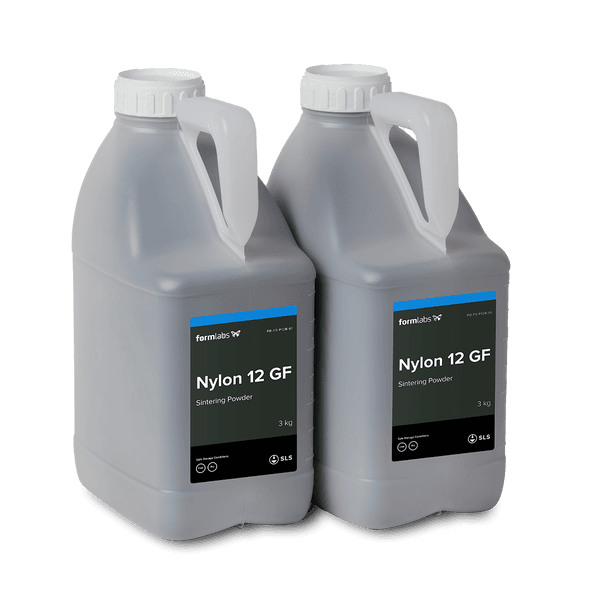
Formlabs materials
Starting at $99/kg

Open Material Mode
Unlock the possibility to print with any 1064 nm powder