
Iterating Overnight, Manufacturing In-House: How Lightcraft Delivers High-Performance Drones With Fuse 1+
Iterating Overnight, Manufacturing In-House: How Lightcraft Delivers High-Performance Drones With Fuse 1+
Prototyping and manufacturing bespoke, custom-built drones requires quick, in-house prototyping capabilities and precise, reliable manufacturing systems. At Lightcraft, a drone service provider and manufacturer of high-performance drones for cinema, industrial, and defense applications, in-house 3D printing is an integral part of prototyping and manufacturing.
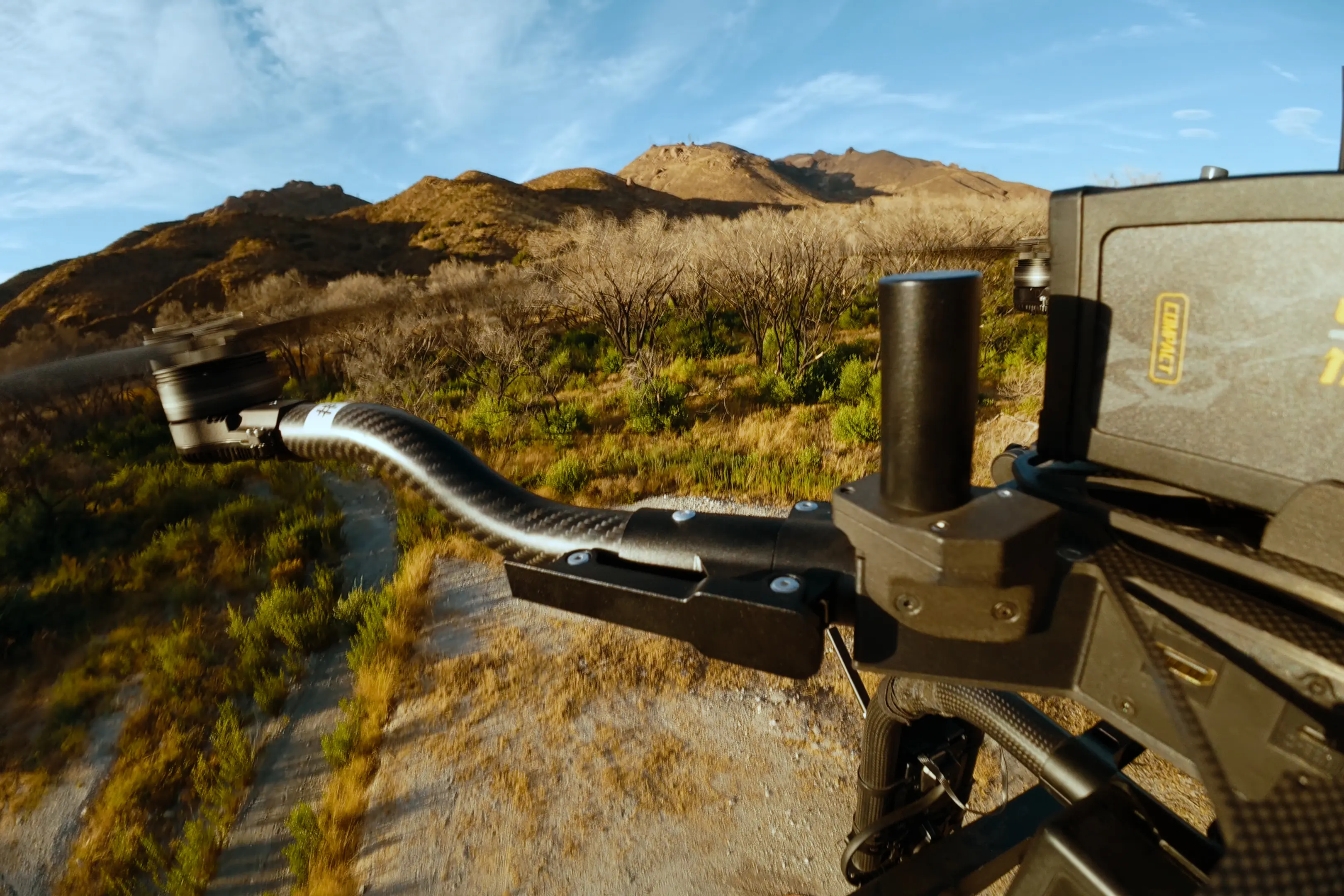
Lightcraft uses in-house SLS 3D printing to create durable, high-precision drone parts. Photo courtesy of Lightcraft.
With some of the best pilots in the world on their ~30-person staff, Davis DiLillo, CTO and co-founder, says, “Lightcraft chases performance more so than other drone companies.” Engineers like Caz Voorhees, Lead Engineer, will iterate overnight so they can test and iterate again. Lightcraft drones are short runs and bespoke, meaning outsourcing parts can be costly. By bringing the Fuse 1+ 30W selective laser sintering (SLS) 3D printer in-house, they’re able to cut timelines for drone body parts and mounts from weeks to hours, while maintaining full control over manufacturing quality.

Talk to Our Sales Team
Whether you need to prototype at speed, or are producing end-use parts, we’re here to help. The Formlabs Sales team is composed of dedicated specialists who know exactly how to support you and your company's needs.
Bringing SLS 3D Printing In-House
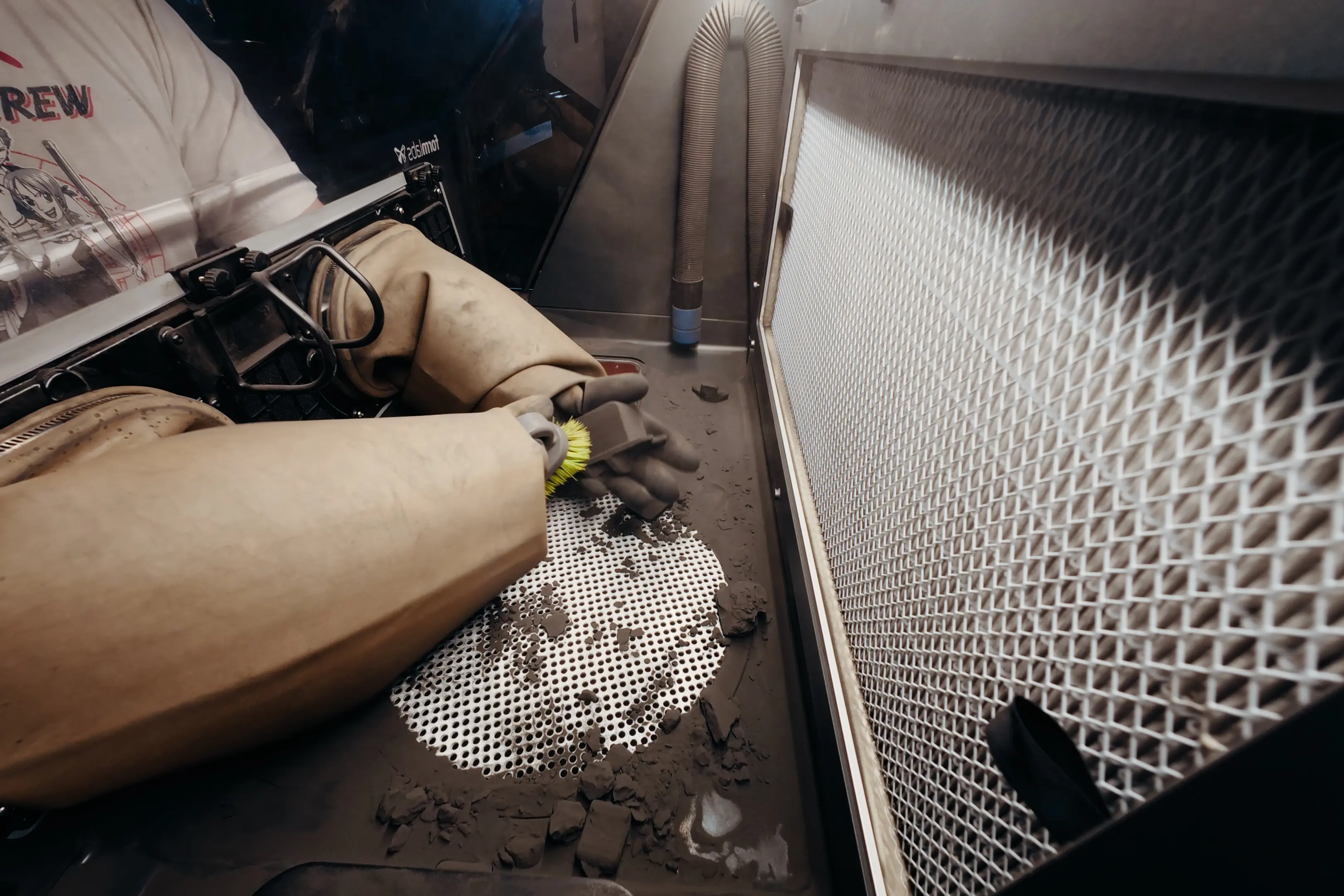
Powder recovery and initial part cleaning using the Fuse Sift station. Photo courtesy of Lightcraft.
Lightcraft has 10+ 3D printers, including fused deposition modeling (FDM) and low-cost resin 3D printers. While FDM is a low-cost way to prototype, the uneven surface finish and mechanical properties mean FDM-printed parts aren’t optimal for finished drones. Lightcraft typically used FDM 3D printing for prototyping and validation of parts before outsourcing injection-molded or machined aluminum parts, which was both expensive and lengthened timelines. After waiting weeks for a part, if there’s an issue, it means additional weeks of remakes, versus next-day iterations with Fuse 1+. Additionally, with Fuse 1+, “We can print structures that were impossible with FDM,” says DiLillo.
“The benefit of Fuse 1+ is that we're able to increase the speed of our iterations and keep everything in house. Now our turnaround time is hours instead of weeks.
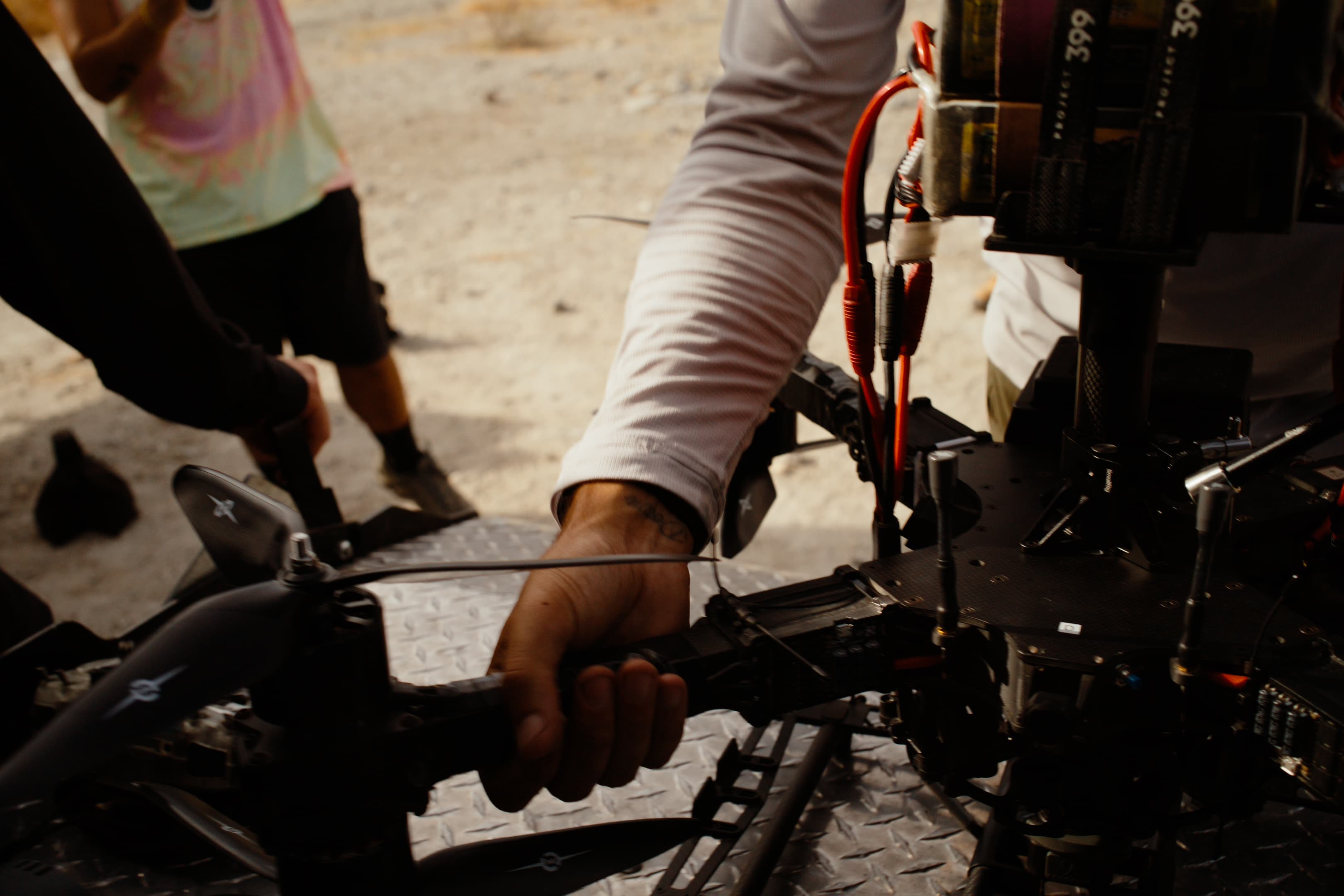
Mounts and frames on this drone were designed for and manufactured on Fuse 1+ 30W by Lightcraft. Photo courtesy of Lightcraft.
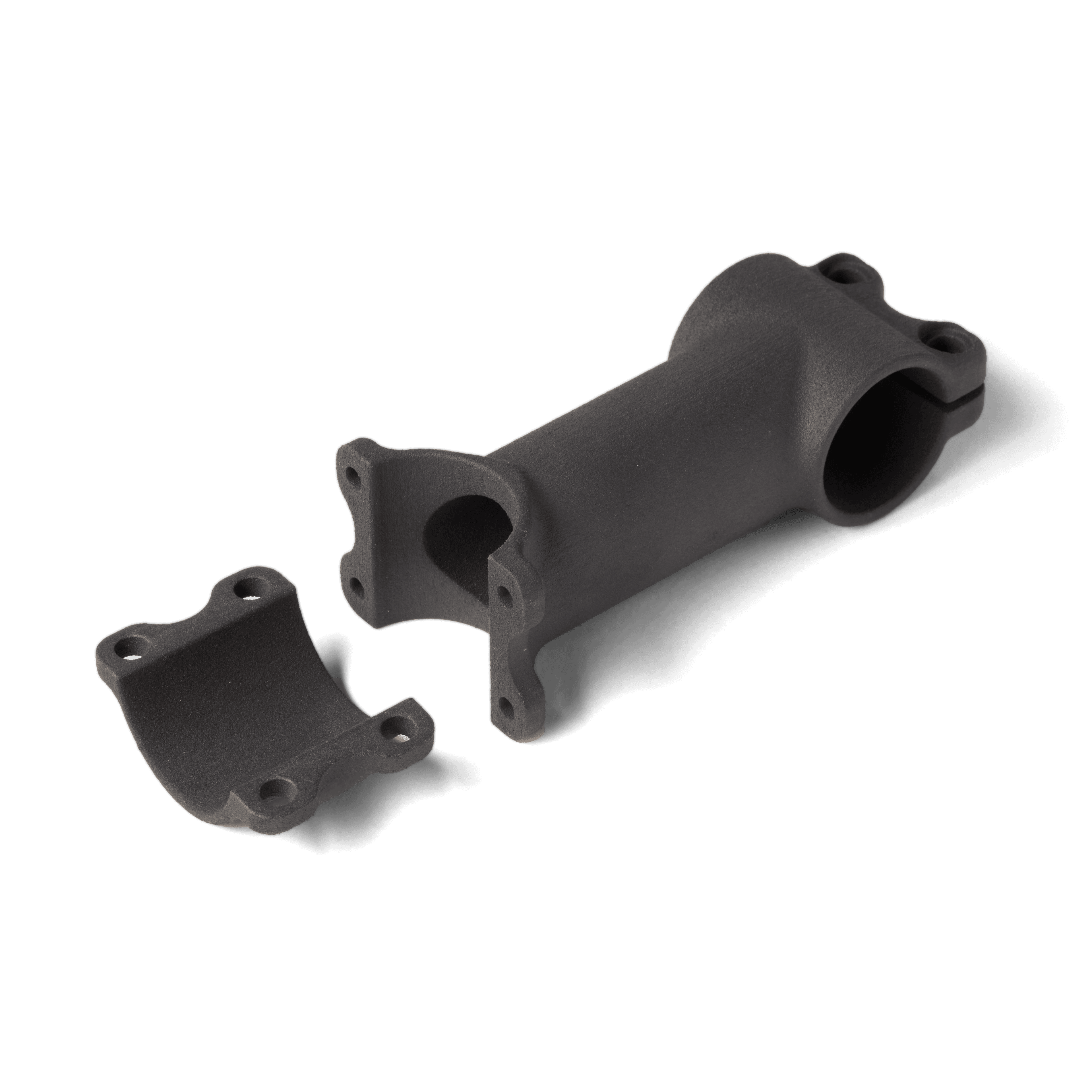
Parts including GPS mounts, motor holders, grommets, and covers for closing orifices and preventing dust ingress are prototyped and manufactured on Fuse 1+ in Nylon 12 Tough Powder, and post-processed on Fuse Sift and Fuse Blast.
“We try to reduce as much human labor in our designs and manufacturing as possible. And that's where SLS has been helpful for us, because we get that better aesthetic without needing to spend more man-hours. You need the Fuse Blast for that.”
Voorhees says that aesthetics are key, and Fuse Blast delivers a clean, finished product while saving time. Additionally, Fuse Blast keeps things contained and clean. “I tried using a regular bead blaster at one point, and it wasn't as good,” says Voorhees. The automated cleaning and polishing on Fuse Blast means parts can be processed while Voorhees attends to higher value tasks.
Request a Nylon Powder Sample Part
Formlabs offers seven SLS powders with a range of mechanical and visual properties. Choose a sample printed on the Fuse 1+30W to see them for yourself.
Printing in Place With SLS
“The build size is fantastic in the Fuse 1+. We really enjoy printing things in place, like actual mechanisms that are multiple parts that you can assemble essentially by printing them, that's a big aspect of what we do.”
SLS 3D printing does not require supports, as the powder supports parts in a build. This means articulated parts can be printed in place, saving time on assembly. One example of this is a small 3D printed drone that Lightcraft designed for SLS. It can be printed in one piece and folds up and unfolds.
Building the Microfactory
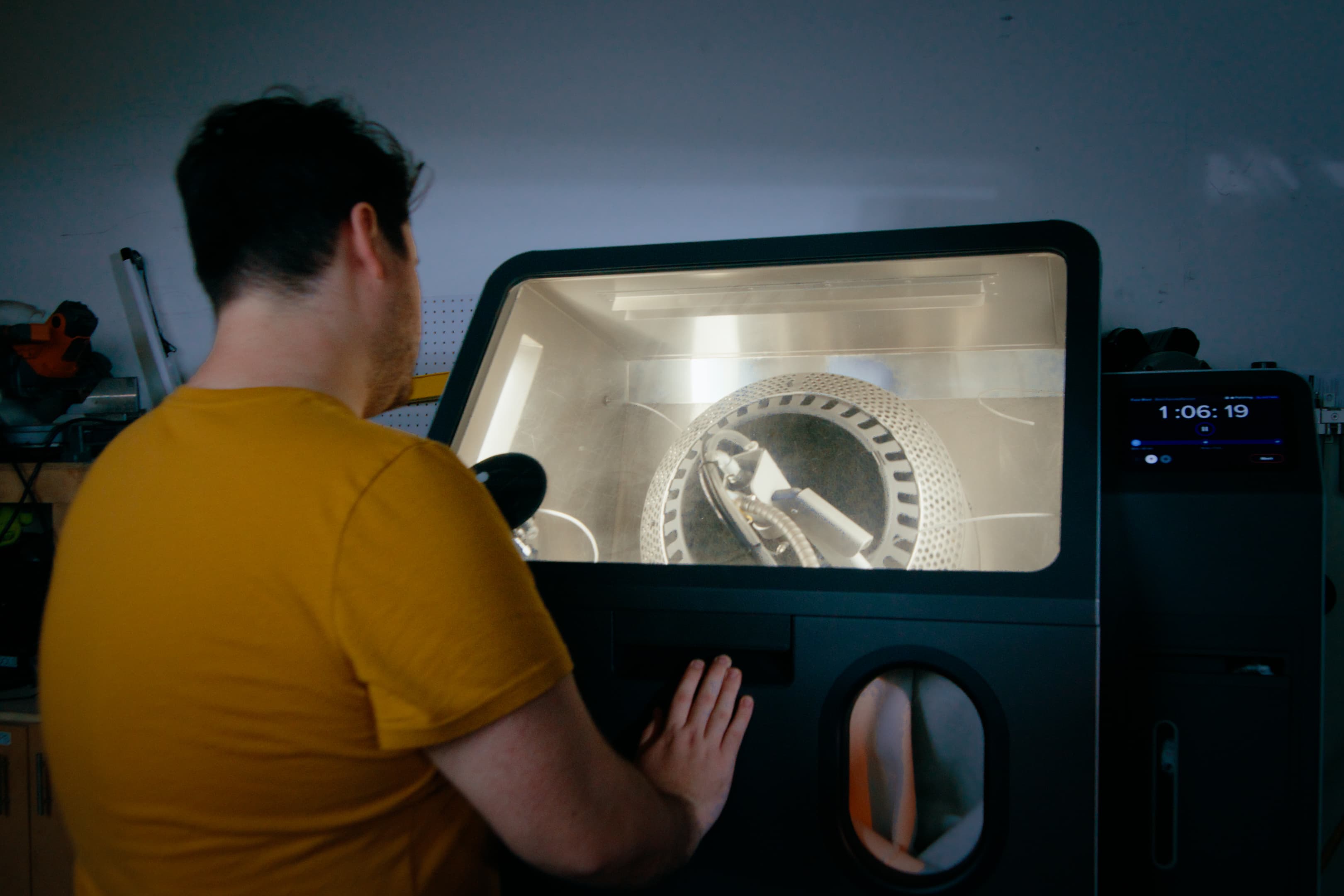
Automated post-processing with the Fuse Blast gives custom drone parts a clean, client-ready aesthetic. Photo courtesy of Lightcraft.
“We're a microfactory essentially, so we try to make everything in our shop. Fuse 1+ gave us affordable, easy-to-use SLS printing in our shop that we can then rapidly iterate and enhance our products for our customers.”
Manufacturing in-house gives Lightcraft an edge, enabling customization, fast turn-around times, supply chain resilience, and quality control. The Fuse 1+ecosystem is a part of this, enabling reliable production of accurate nylon parts on-demand.
To learn more about SLS 3D printing, explore Formlabs 3D printers. Request a sample part to evaluate Formlabs materials for yourself or contact sales to discuss your unique business needs.