Note:
This issue can happen with any SLS powder and should not be treated differently if it occurs with Nylon 12 GF Powder.

Nylon 12 GF is a stiff and stable, industry-standard material that’s ideal for durable end-use parts. Incorporating glass filler into Nylon 12 expands its use into higher-performance applications. When printing with Nylon 12 GF Powder, users may encounter some unique print failures, as well as normal issues seen across all Formlabs SLS powders. Examples of some of the most common print failure types, as well as their associated causes and recommended troubleshooting steps, are given below.
Bed tearing
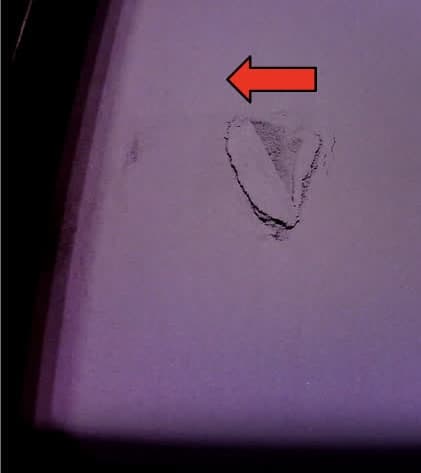
During the preprint phase, the printer lays down several precoat layers of powder to prepare the print bed. If this powder absorbs too much heat, it can lead to bed cracking. At elevated temperatures, the powder becomes more cohesive and harder to distribute, making it prone to tearing when the recoater moves across the bed. The cracks are typically visible as 1–2 mm jagged fractures parallel to the recoater roller. This disruption can compromise print quality and lead to failed prints.
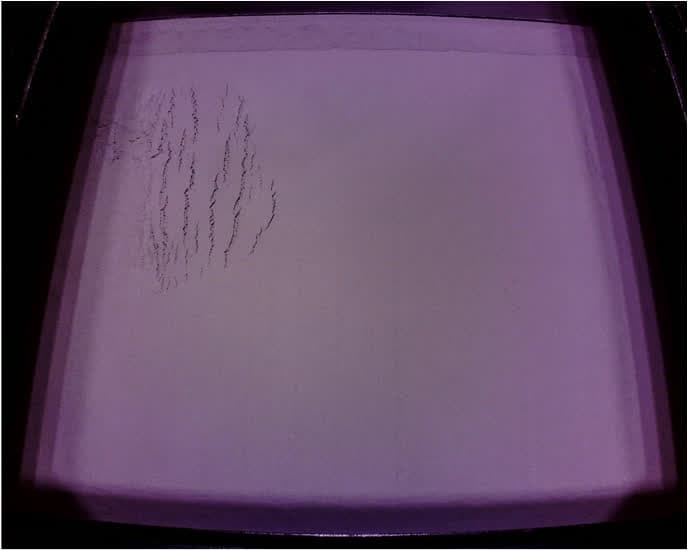
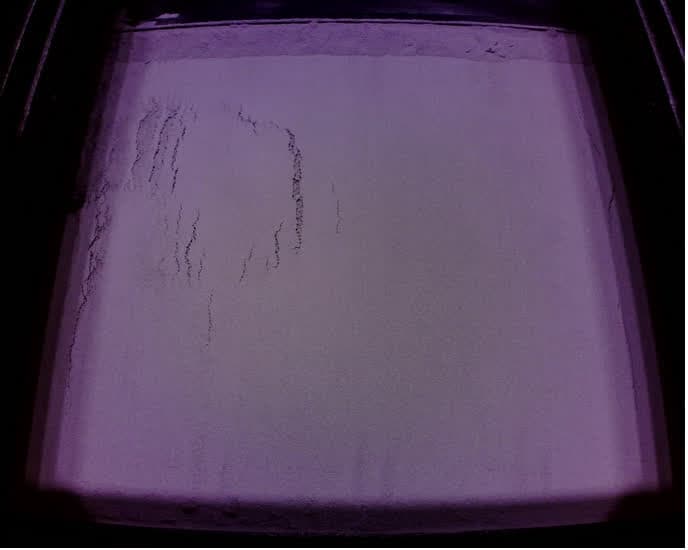
Refer to the support article Bed tearing (SLS) for troubleshooting steps.
Curling and dragging
During a print, each fresh layer of powder is held at a temperature lower than the sintering temperature for the material. The printer’s laser then selectively sinters sections of powder to form the printed parts. If the temperature difference between the lased area and the rest of the powder bed is too large, the lased area will shrink more than the surrounding powder. This uneven shrinkage can allow the printed layers or the Surface Armor to curl and rise up from the print bed, where it may be caught and dragged by the recoater.
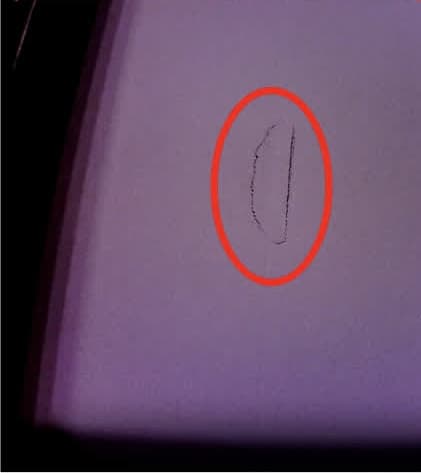
Refer to the support article Curling (SLS) for troubleshooting steps.
Contamination and dragging
If a foreign contaminant such as a hair or fiber enters the print area, it can attach itself to powder and get dragged across the print bed by the recoater.
Debris from outside the print bed can be dislodged and pulled into the print by the movement of the flippers and the recoater. For example, residual powder from previous prints remains near the print area and becomes firm as it heats up, forming a “boulder” to be dragged. As a result, this failure type is sometimes called “bouldering.”
This issue is distinct from curling and dragging, where the debris comes from the current print itself.
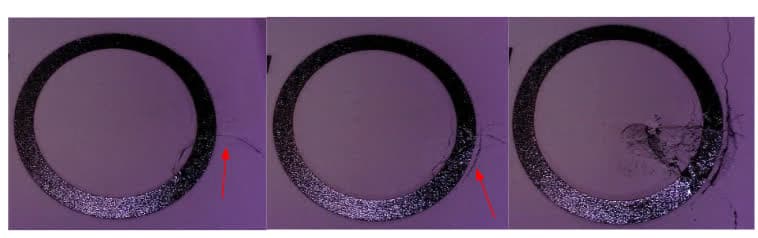
Refer to the support article Powder contamination (SLS) for troubleshooting steps.
Note:
This issue can happen with any SLS powder and should not be treated differently if it occurs with Nylon 12 GF Powder.
Global melting
Fuse 1 generation printers use a downward-facing IR sensor to monitor the temperature of the top layer of the print. A dirty IR sensor or IR sensor housing can artificially depress the temperature readings, causing the quartz tube heaters to overheat the print area. The powder across the entire print area then darkens and melts unexpectedly.
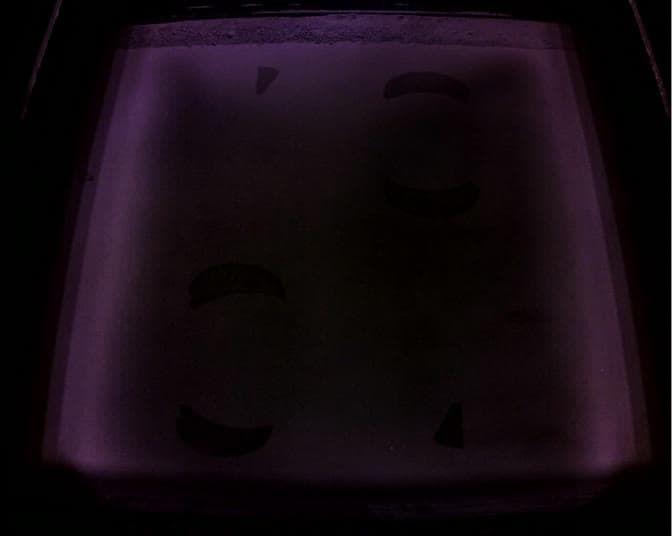

Refer to the support article Melting (SLS) for troubleshooting steps.
Note:
This issue can happen with any SLS powder and should not be treated differently if it occurs with Nylon 12 GF Powder.
Perimeter melting
When perimeter melting occurs, the powder around the edge of the build chamber darkens and melts unexpectedly but the center of the print area does not.
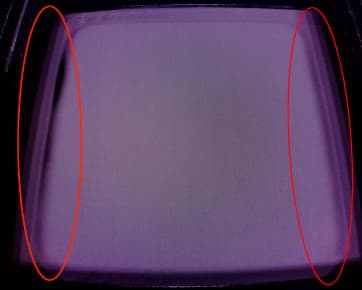
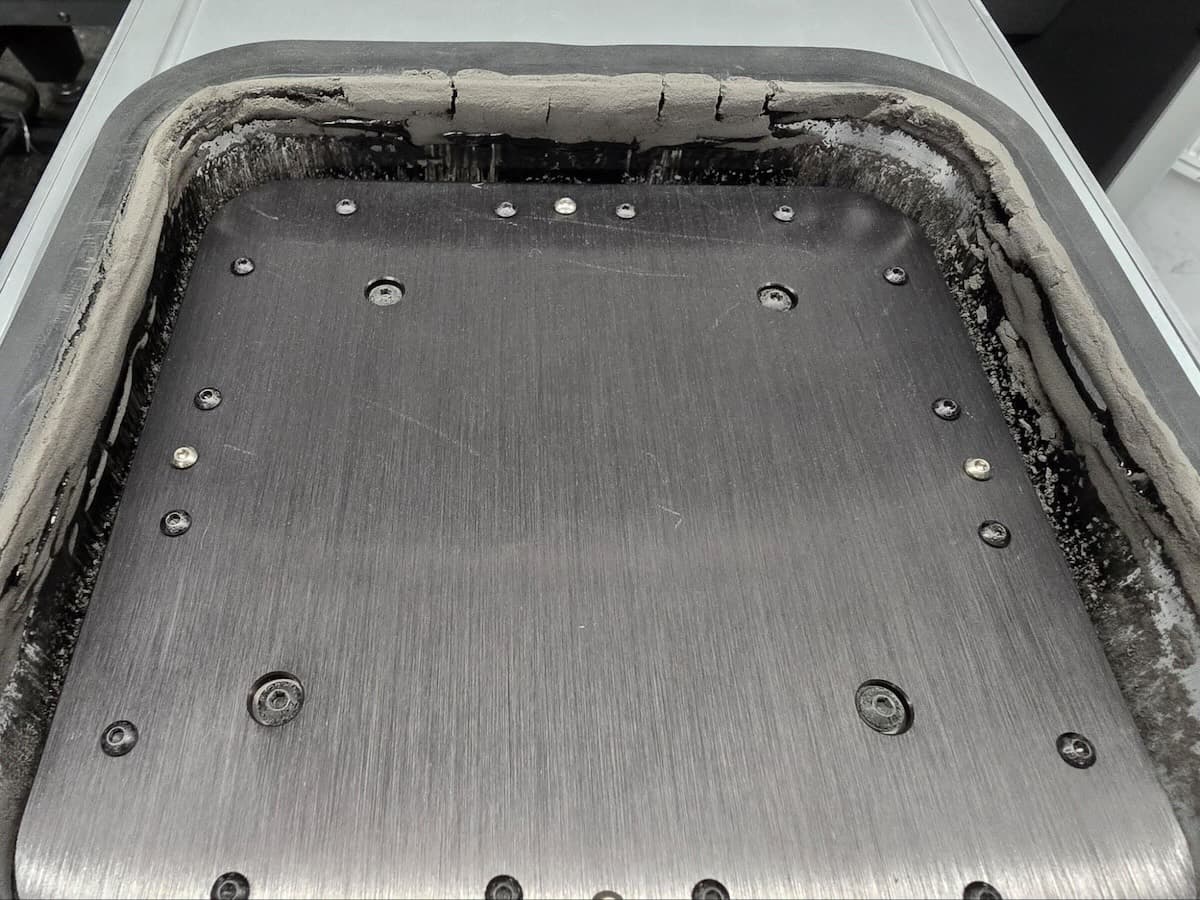
Refer to the support article Melting (SLS) for troubleshooting steps.
Note:
This issue can happen with any SLS powder and should not be treated differently if it occurs with Nylon 12 GF Powder.
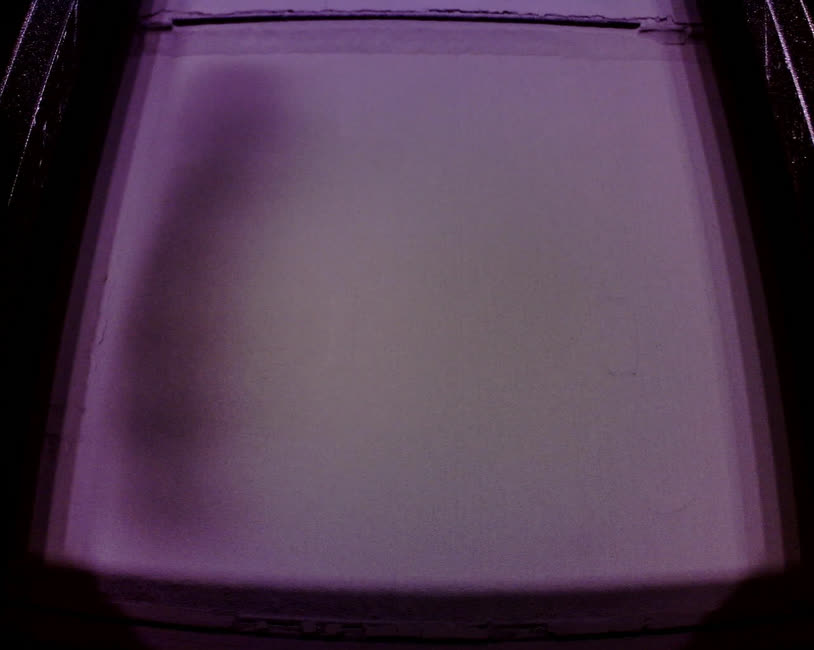
Localized melting
Fuse 1 generation printers use two quartz tube heaters to heat the print enclosure during a print. If one of those heaters fails, the other may overcompensate, melting the powder below it.
Refer to the support article Melting (SLS) for troubleshooting steps.
Note:
This issue can happen with any SLS powder and should not be treated differently if it occurs with Nylon 12 GF Powder.
Dimpling or pitting
During a print, the middle of a part is hotter than its edges. The edges cool and contract faster than the middle does, causing the middle to shrink inwards. As a result, the upward-facing surfaces on printed parts may sink due to uneven cooling.

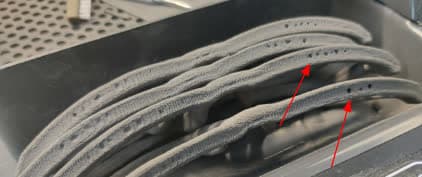
Refer to the support article Dimpling and pitting (SLS) for troubleshooting steps.
Birchbark or orange peel texture
“Orange peel” refers to poor or rough surface finish on vertical surfaces or sharp overhangs. Shallow ridges running along layer lines are visible on vertical surfaces.
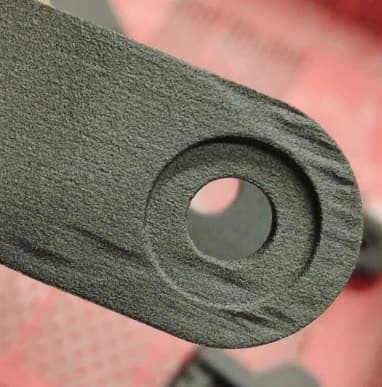
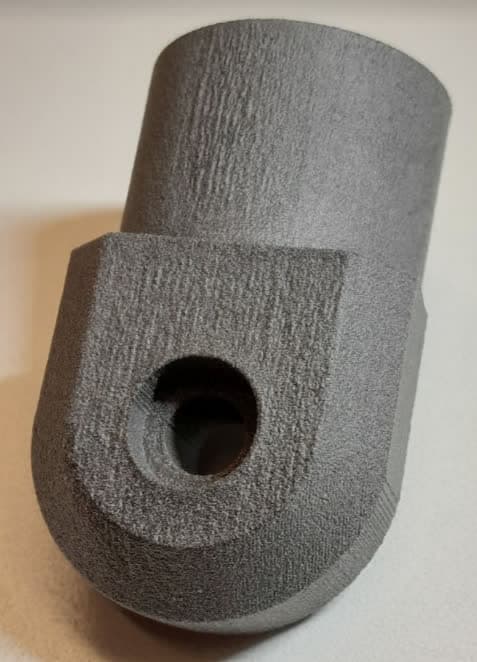
Refer to the support article Poor finish on vertical surfaces (SLS) for troubleshooting steps.
Fragile or brittle parts
Parts must be fully sintered to reach their nominal physical characteristics. If a part is undersintered (e.g., due to optical contamination blocking the laser beam or a loss of laser power), it may be unexpectedly brittle and crumble when touched.
Refer to the support article Blurred or missing features (SLS) for troubleshooting steps.