Note:
If curling occurs with other powders, contact Formlabs Support or your certified service provider.

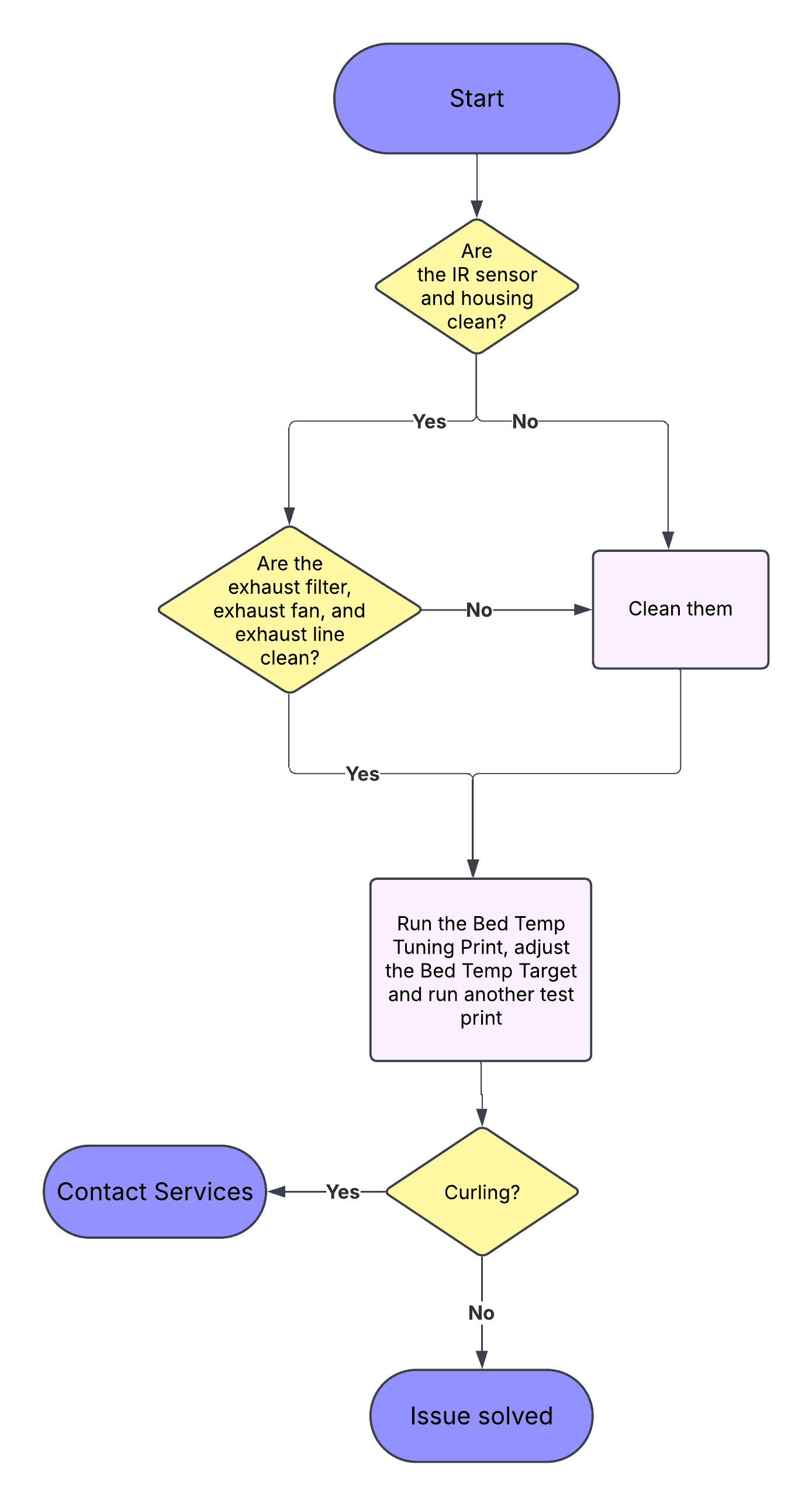
During a print, each fresh layer of powder is held at a temperature lower than the sintering temperature for the material. The printer’s laser then selectively sinters sections of powder to form the printed parts. If the temperature difference between the lased area and the rest of the powder bed is too large, the lased area will shrink more than the surrounding powder. This uneven shrinkage can allow the printed layers or the Surface Armor to curl and rise up from the print bed, where it may then be caught and dragged by the recoater.
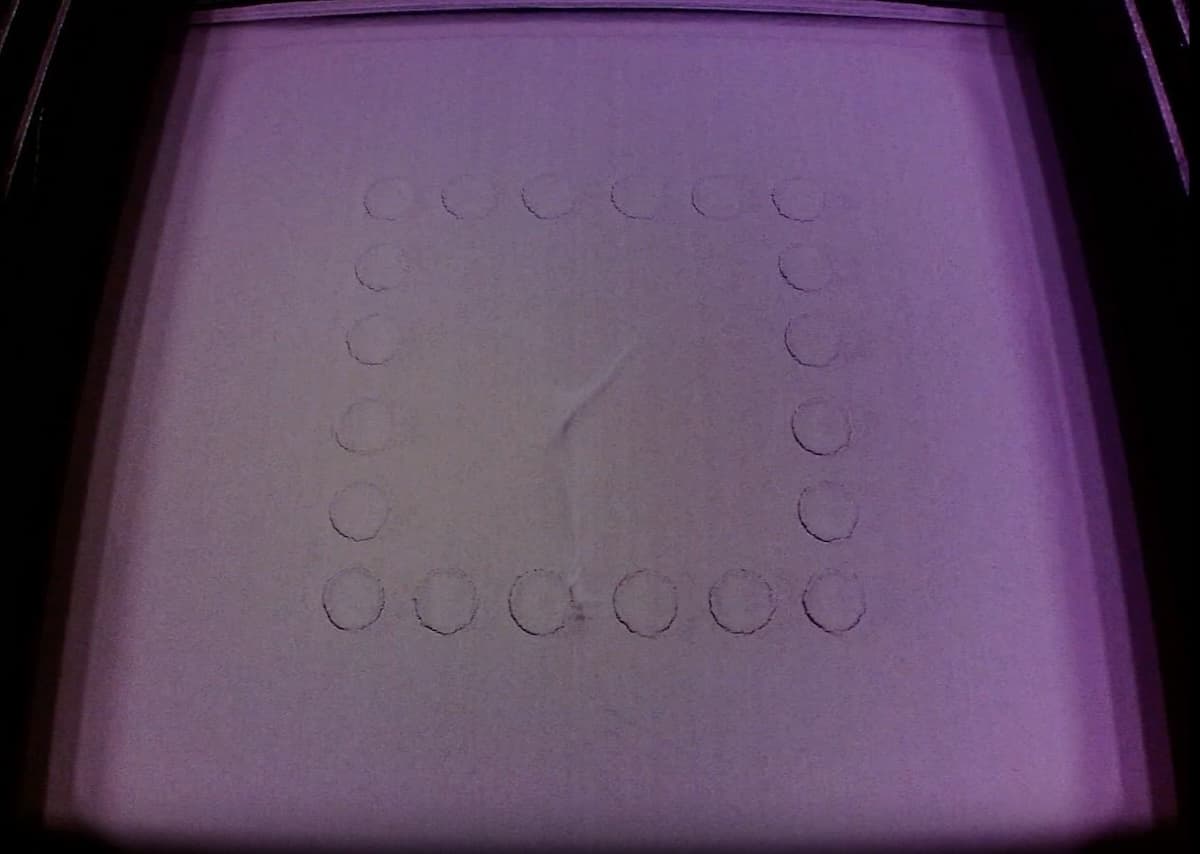
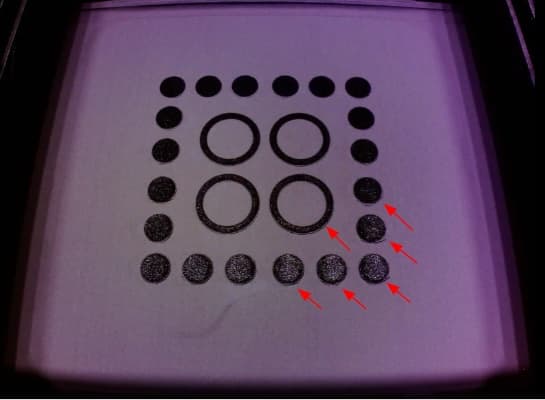
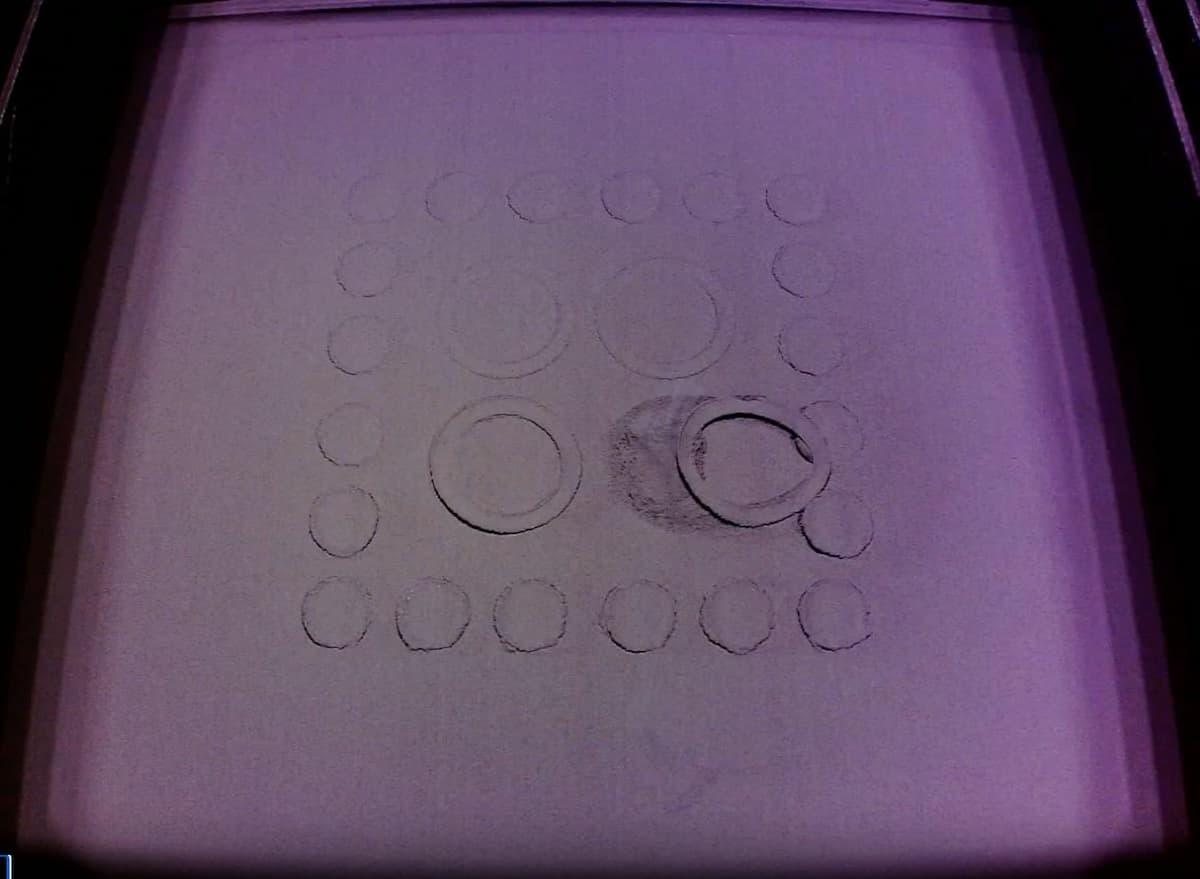
Curling should be distinguished from failures caused by debris. The presence of fibers, hair, or other contaminants in the powder can lead to print failures that may appear similar to curling. However, the troubleshooting steps for these issues differ. For more information on handling contaminants in parts, refer to the article Powder contamination (SLS).
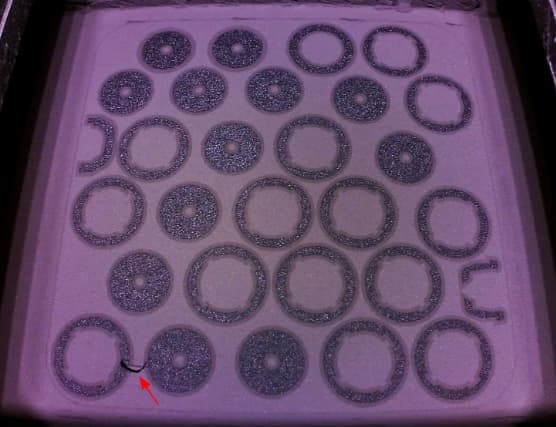
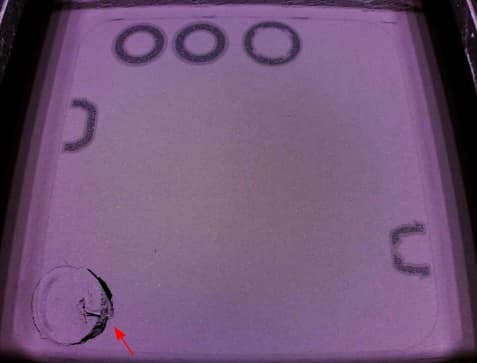
There is also a print defect called early layer curling where the first several layers curl at the edges and create a cumulative warped area. The rest of the part is unaffected. Parts printed at the bottom of the build volume are most susceptible to early layer curling.
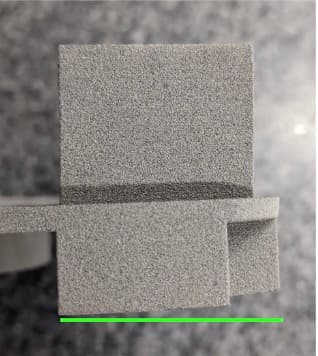
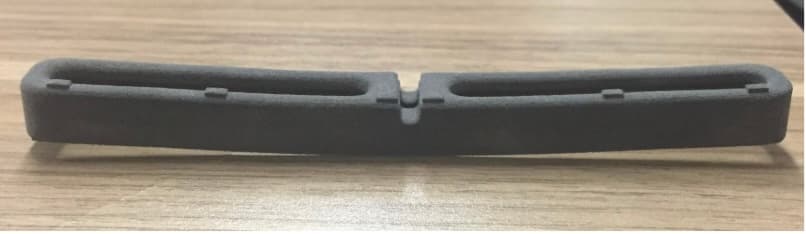
This issue is different from macroscale warping, where entire parts shrink unevenly when cooling in their solid state.
Symptoms
Causes
Troubleshooting steps
Note:
If curling occurs with other powders, contact Formlabs Support or your certified service provider.
Polypropylene Surface Armor whitening and curling
When printing with Polypropylene Powder, curling and whitening isolated to the Surface Armor regions around your parts can present and be resolved differently than for other powders.
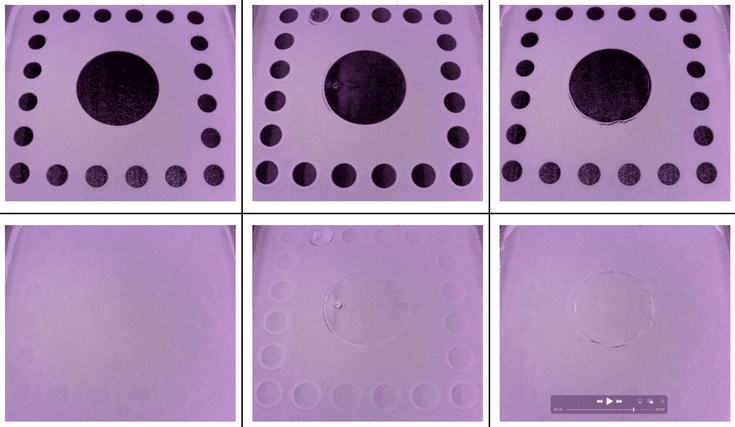
Surface Armor whitening and curling occurs as a result of the Surface Armor regions overheating, due to one or more of the following factors:
Variation between printers and batches of Polypropylene Powder can also affect your results.
To address Surface Armor whitening and curling with Polypropylene Powder: