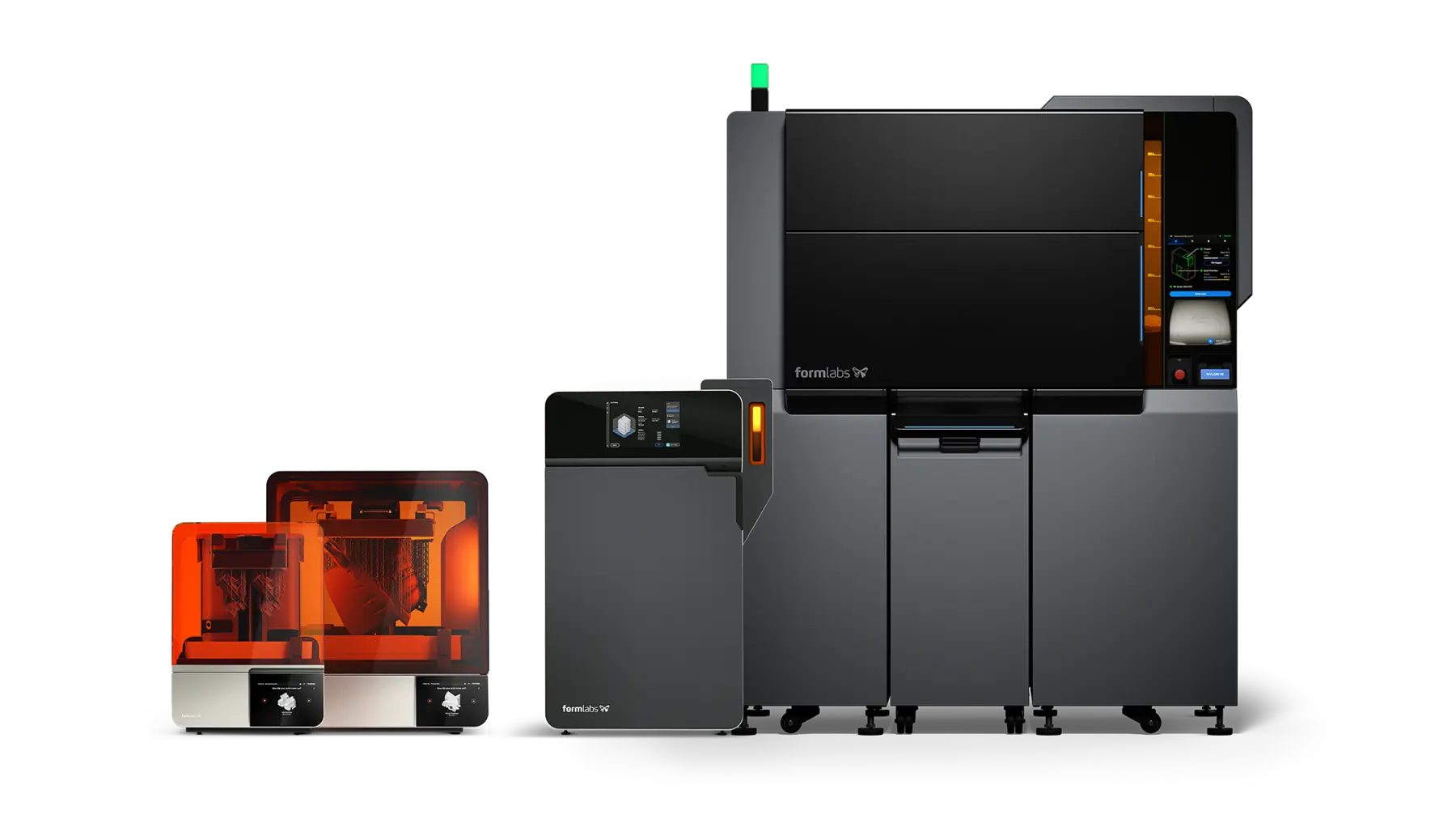
SLS 3D Printers
Selective laser sintering is an additive manufacturing (AM) technology that uses a high-power laser to sinter small particles of polymer powder into a solid structure based on a 3D model.
SLS 3D printing has been a popular choice for engineers and manufacturers for decades. Low cost per part, high productivity, and established materials make the technology ideal for a range of applications from rapid prototyping to tooling and end-use parts.
Formlabs’ Fuse Series is the world’s leading SLS 3D printing platform, accounting for approximately 60% of SLS printer units sold globally.
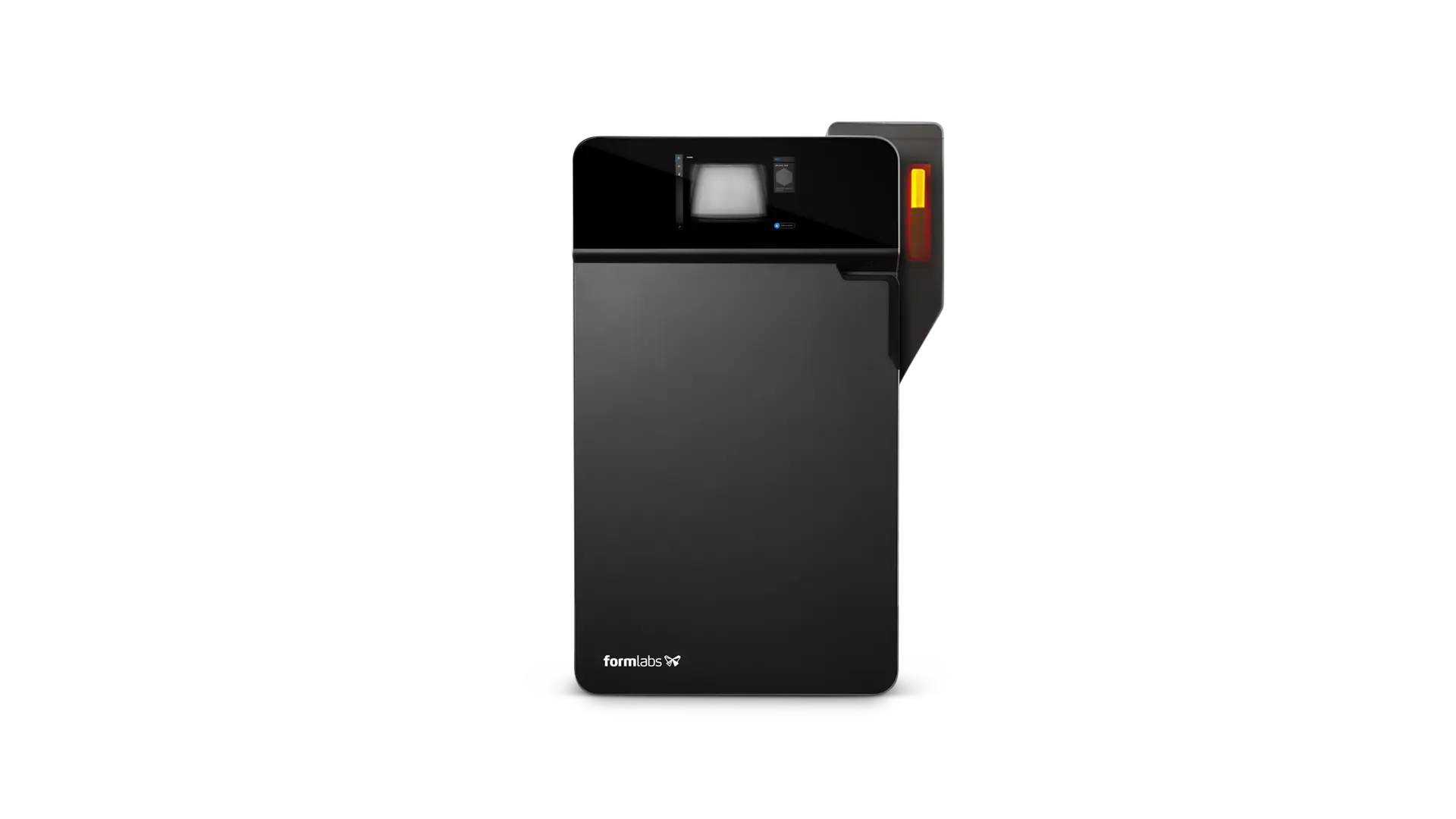
Fuse 1+ 30W
Designed for maximum output and minimum waste, Fuse 1+ 30W is our compact industrial SLS 3D printer.
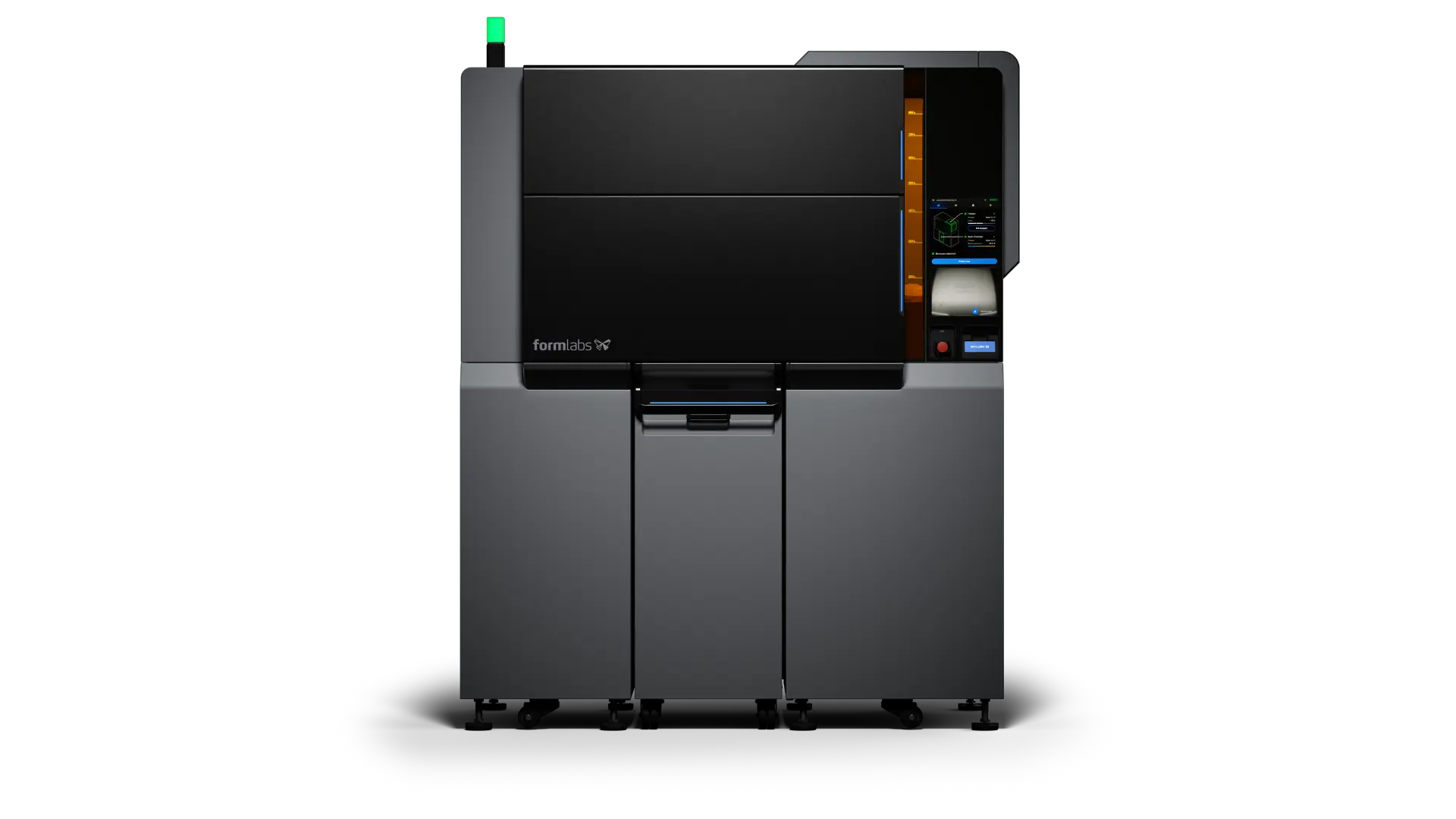
Fuse X1
Built for scale and speed, Fuse X1 is our large-format industrial SLS 3D printer.
SLS 3D Printing Materials
Familiar, industry-standard materials now available on-demand — Nylon 12, Nylon 11, TPU, and more — with an agile workflow that eliminates reliance on external machinists or tooling.
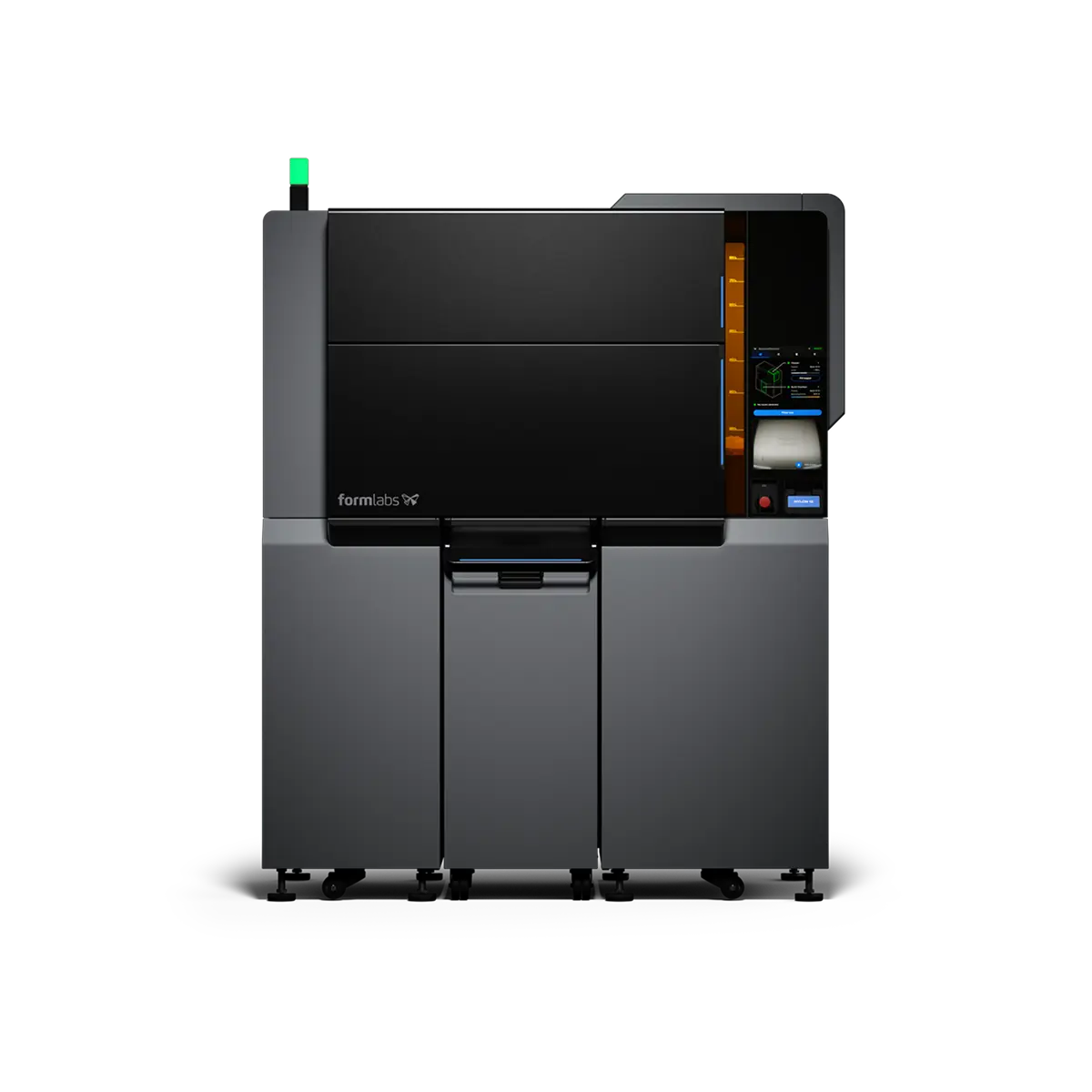
Fuse X1 is a large-format industrial SLS 3D printer, built for engineers, manufacturers, and service bureaus looking to produce large prototypes and high-volume end-use parts with a faster turnaround. Its massive build volume and high packing density enable same-day large parts and 3x the throughput compared to competing platforms. AI-powered Print Intelligence monitors jobs from first layer to final part to reduce failures. Setup takes about an hour, print-to-print changeover takes minutes, and the same end-to-end workflow handles extraction, powder reclaiming, and finishing — moving parts from printed to polished in as little as 15 minutes.
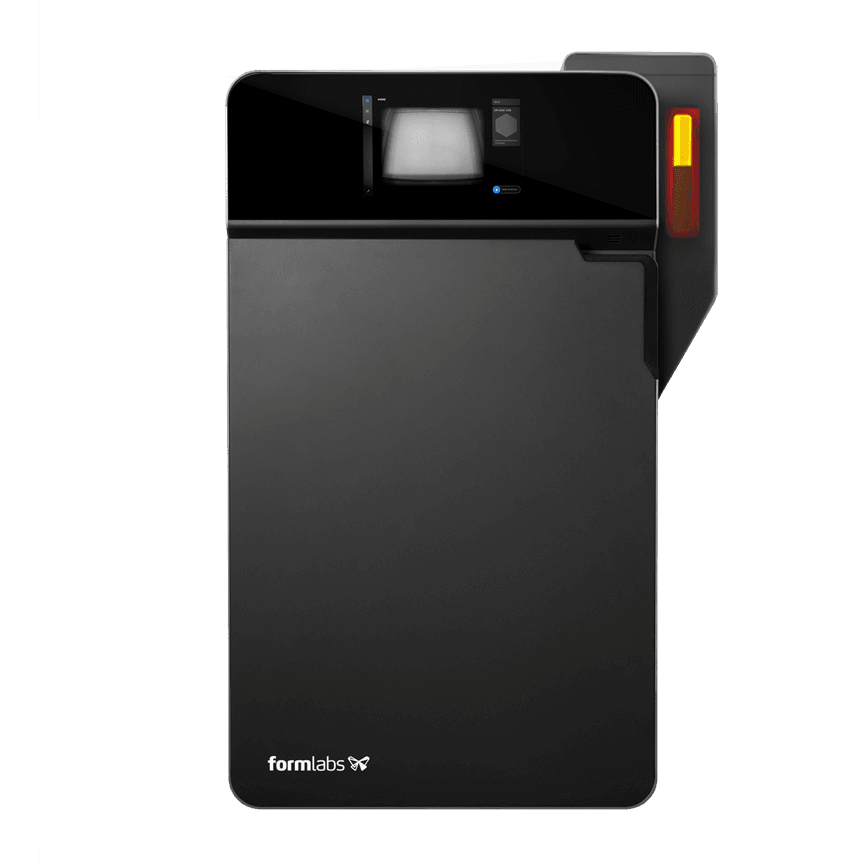
Designed for maximum output and minimum waste, Fuse 1+ 30W is our compact industrial SLS 3D printer. Unlock unprecedented print speeds and material enablement to deliver truly rapid production in-house. From print setup to powder recovery, our easy-to-use hardware and software are designed to maximize your efficiency at every step of the process.
Ytterbium Fiber 120W
Ytterbium Fiber 30W
330 x 330 x 565 mm
13.0 x 13.0 x 22.2 in
61.5L
165 x 165 x 300 mm
6.5 x 6.5 x 11.8 in
8.2L
.330 Kg/Hr
.063 Kg/Hr
12.2 Sq.Ft
4.8 Sq.Ft
Nitrogen
Air and Nitrogen
Nylon 12, Nylon 11*, Nylon 12 GF**, TPU 90A Powder**, or any 1064 nm powder with Open Material Mode.
*Available by the end of 2026 **Available by June of 2027
Nylon 12, Nylon 12 Tough, Nylon 12 White, Nylon 11, Nylon 12 GF, Nylon 11 CF, and TPU 90A Powders, or any 1064 nm powder with Open Material Mode.
Explore SLS 3D Printing Applications

High Performance, Light Weight, High Strength Drones
The proliferation of drone manufacturers and their success in gaining a foothold in a competitive field can be partly attributed to the accessibility and power of modern manufacturing methods, namely 3D printing.
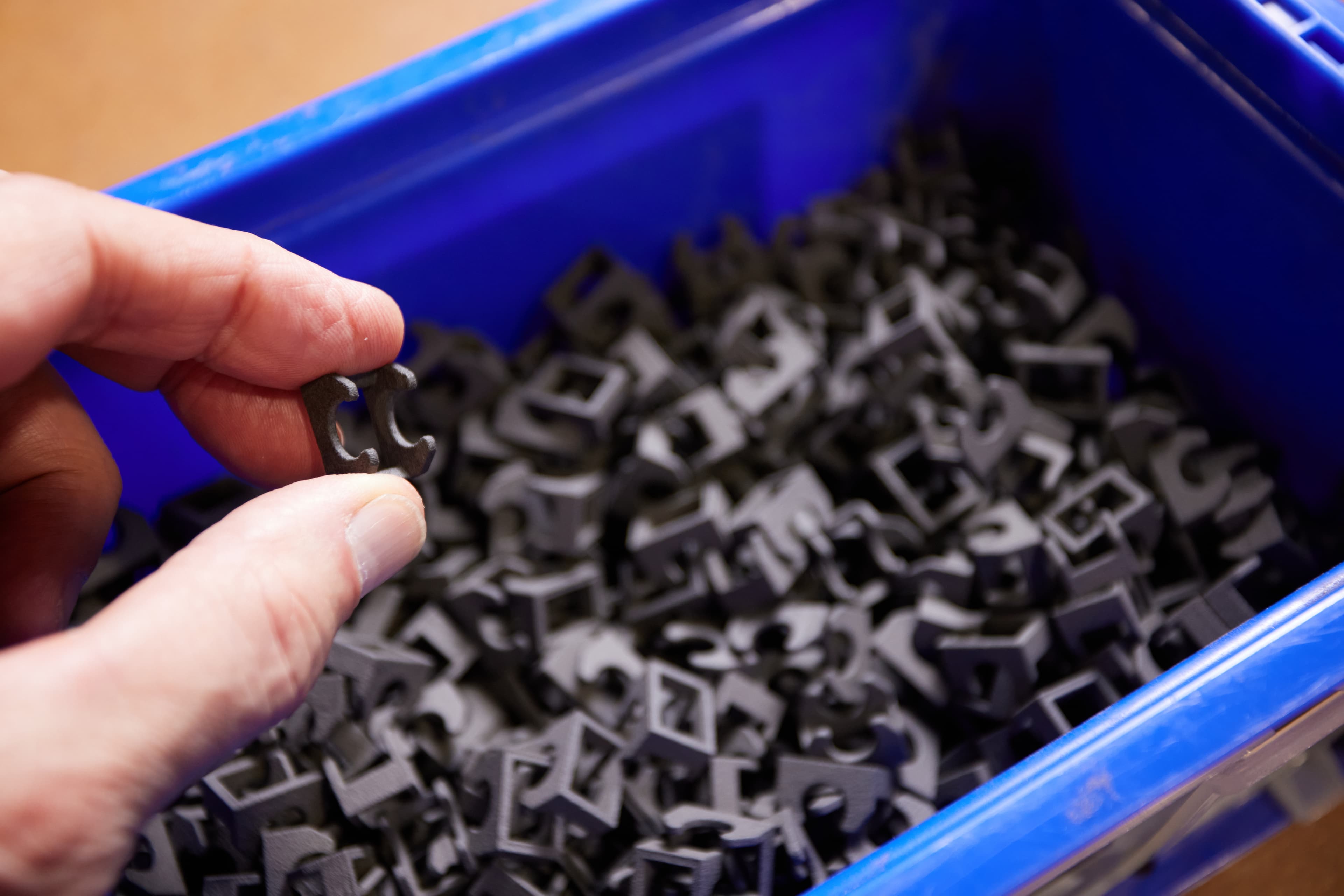
End-Use SLS Parts in the BMW X7
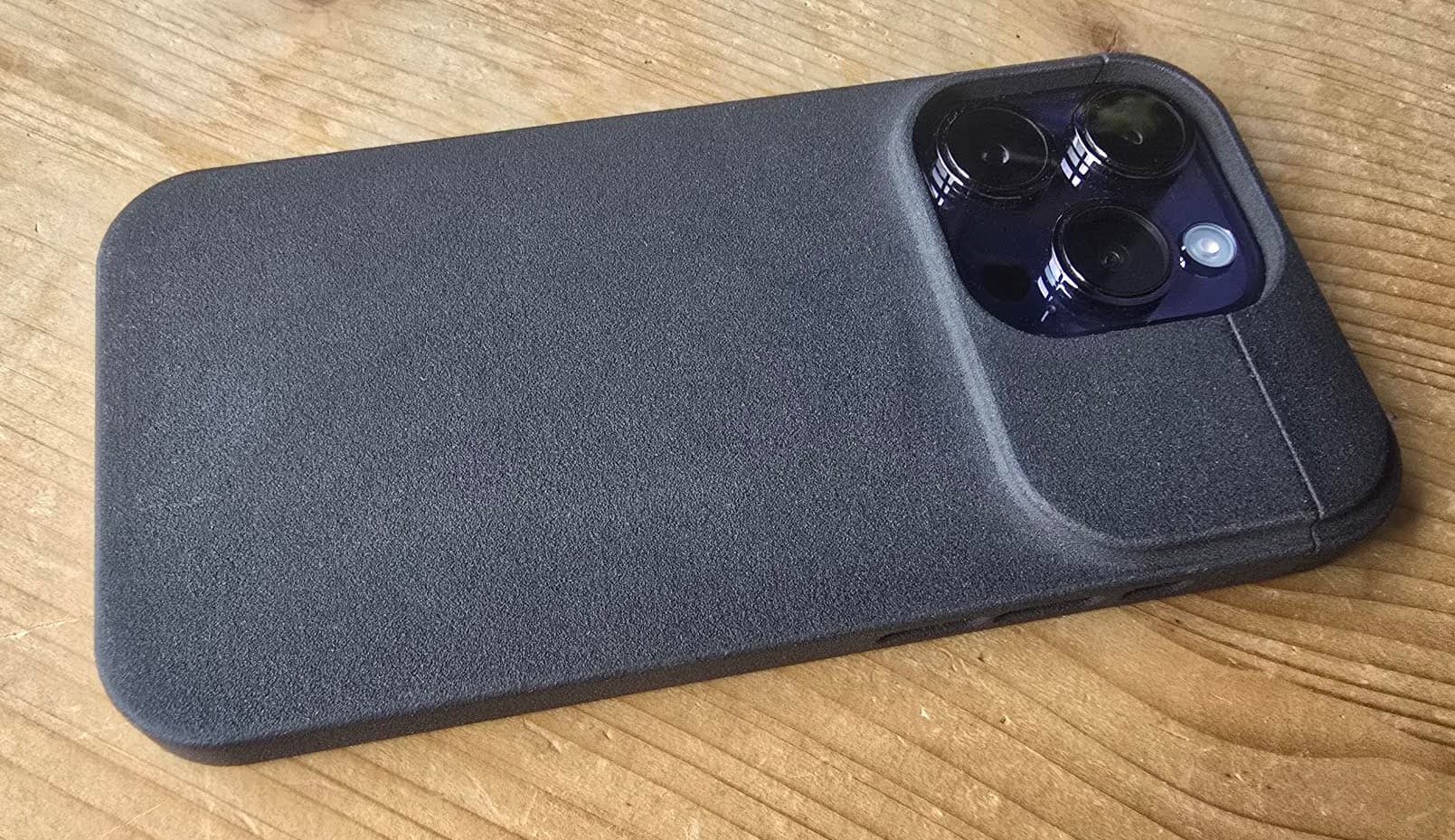
Durable, High Quality End-Use Parts Make Small Batch Production Possible and Profitable
Impactful Research Projects and Organic Design
In-House SLS Enables Entrepreneurship: The One Man Manufacturing Facility
Why Choose Formlabs SLS 3D Printers?
SLS 3D Printing Resources
See all
Printing Presses, Empowered by 3D Printing: Robotics Applications and Replacement Parts at HEIDELBERG

Comparing Surface Finish: Fuse Series SLS, EOS SLS, HP MJF, and Form 4 SLA

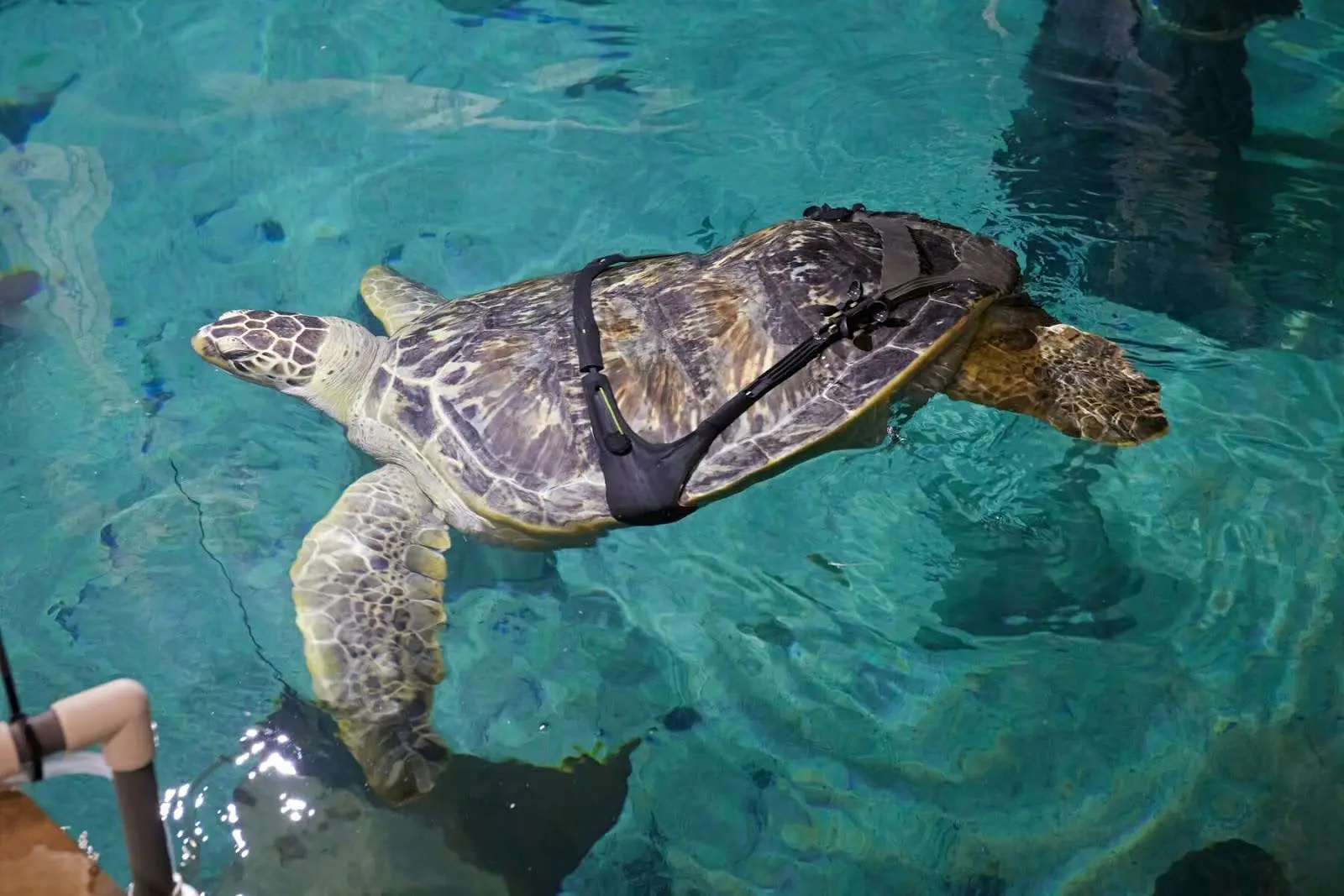
Saving Charlotte: How 3D Printing Helps Sea Turtles with Bubble Butt Syndrome

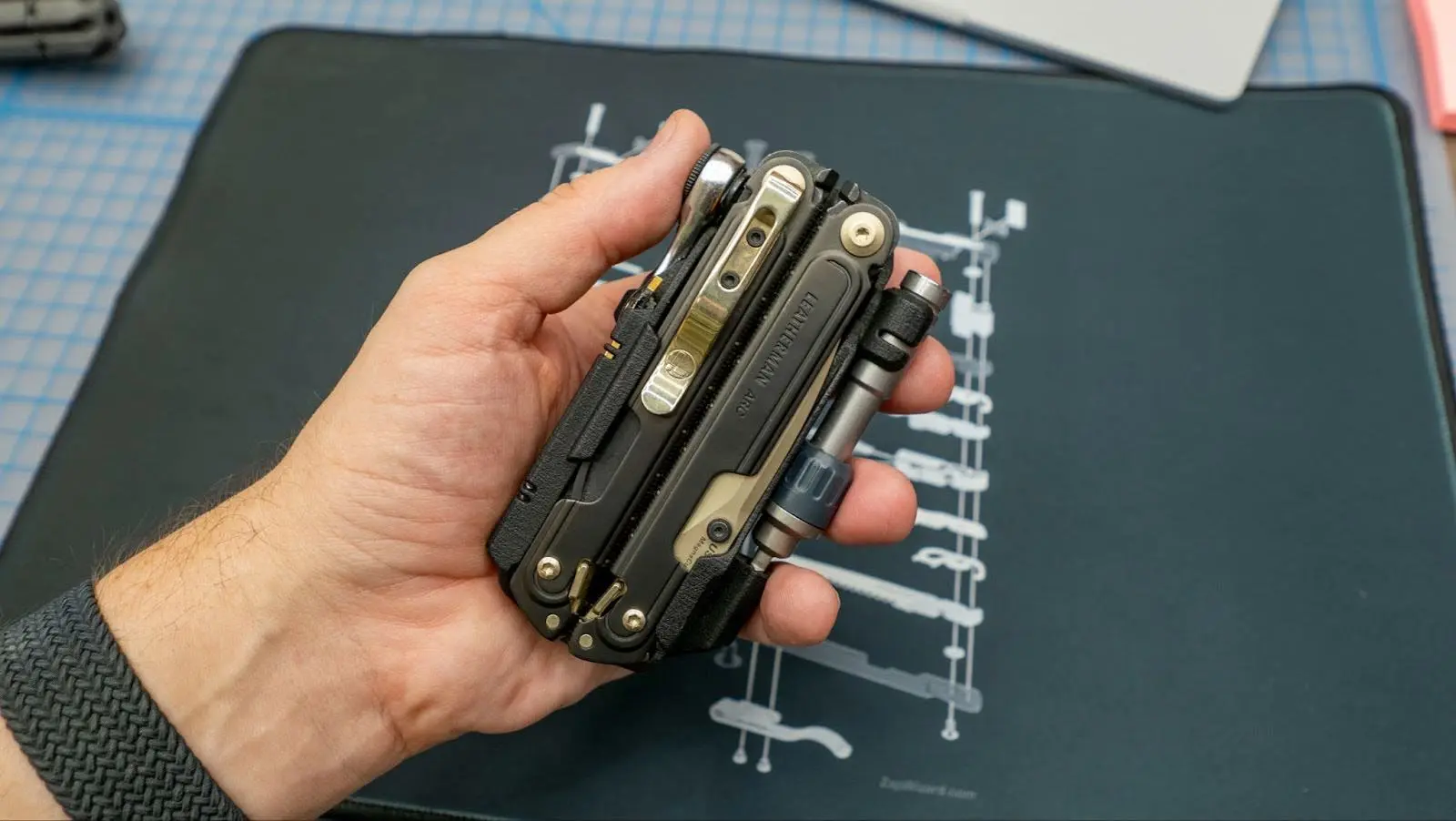
One-Man Plastics Factory: Getting New Products to Market With the Fuse 1+ 30W

How Deutsche Bahn Uses 3D Printed Manufacturing Aids to Streamline Vehicle Maintenance

How Form 4L and the Fuse Series Support Innovation at Radio Flyer

How Police and Special Vehicles Are Produced With SLS 3D Printing

How Brose Leverages SLA and SLS Technology to Bolster Automotive Production

How Ford Developed the New Explorer Using Formlabs SLA and SLS 3D Printers

SLS 3D Printing Streamlines Single Piece Flow Manufacturing at Eaton
FAQ
Selective laser sintering (SLS) is a 3D printing technology that uses a high-power laser to sinter small particles of polymer powder into solid parts. The unfused powder supports the part during printing and eliminates the need for dedicated support structures. This makes SLS 3D printing ideal for complex geometries, including interior features, undercuts, thin walls, and negative features, as well as enabling higher-volume production applications — the self-supporting print bed allows parts to ‘nest,’ so that customers can fully pack the build chamber and reach production volumes, even with only one printer.
No, the unsintered powder surrounding the part acts as a natural support structure during the printing process, eliminating the need for dedicated supports.
The Fuse Series supports engineering-grade materials including Nylon 12, Nylon 11, TPU, and glass- or carbon-filled nylon composites. Explore our SLS 3D printing materials here.
Basic steps for SLS post-processing include removing excess, unsintered powder from the parts and media blasting the parts to fully clean them and smooth the surfaces. Formlabs SLS ecosystem includes the Fuse Sift and Fuse Blast, which make the powder recovery and part cleaning process faster, easier, and cleaner. There are also advanced 3D print post-processing methods like coating, smoothing, painting, vapor smoothing, and electroplating that can improve aesthetics, mechanical properties, and overall performance to make your parts suitable for a wide range of applications.
Yes, Fuse Series SLS 3D printers are designed to fit into office or workshop settings with consistent housekeeping practices.
SLA uses a light source to cure liquid resin into solid parts, while SLS uses a laser to sinter polymer powder, making each technology suited to different applications and materials.
You can contact a Formlabs 3D printing expert directly through the website for a personalized consultation and quote.
Start Scaling Your Prototyping and Production Today
Contact a Formlabs 3D printing expert for a 1-1 consultation.