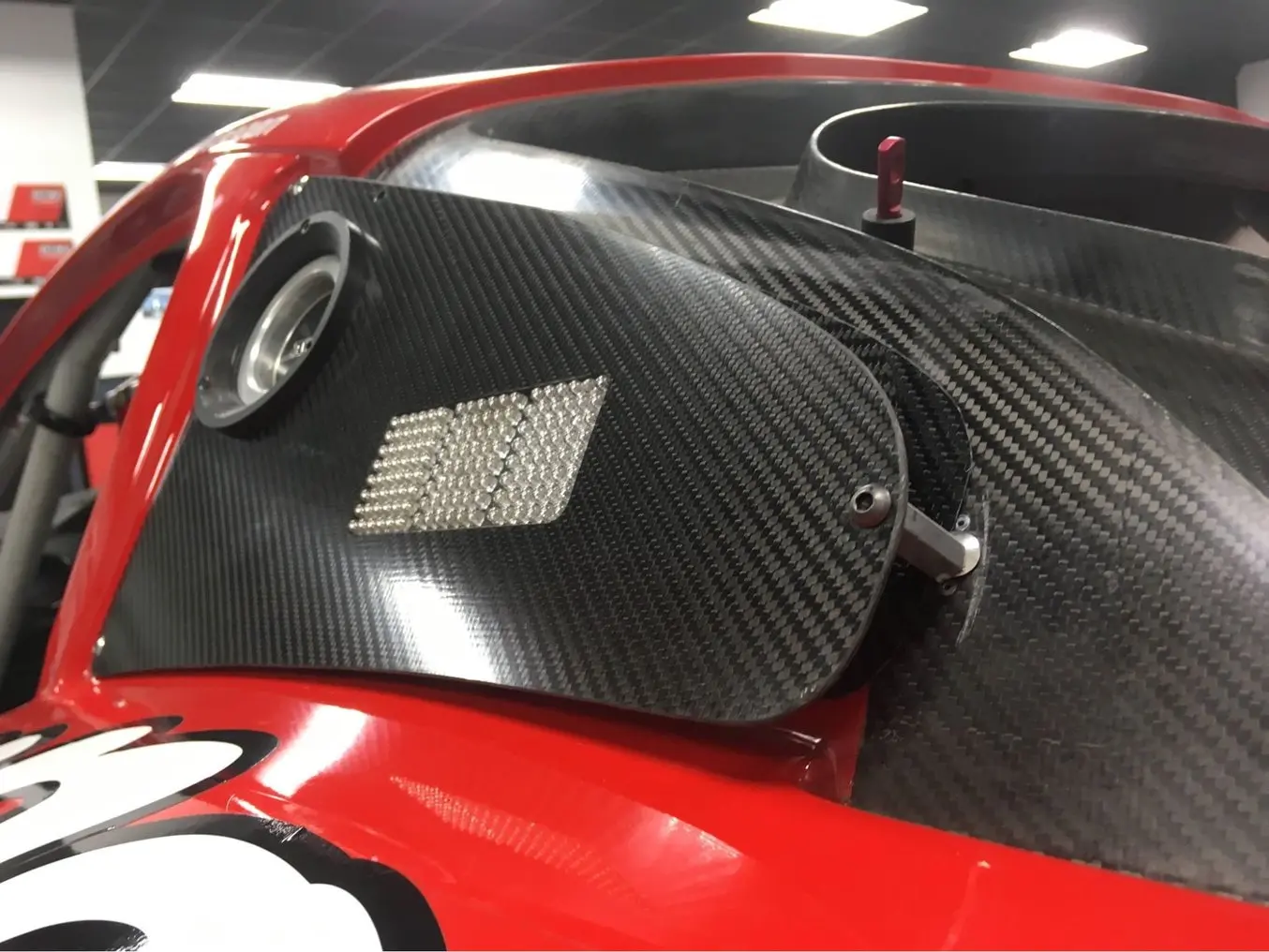
複合材料、特に炭素繊維強化プラスチックは、その高い汎用性と効率性から、航空宇宙から医療まで様々な市場でイノベーションを促進しています。この材料はスチール、アルミニウム、木材、樹脂などの従来の材料を上回る性能を持ち、高性能で軽量な製品の製造を可能にします。
このガイドでは、炭素繊維部品の製造の基本、様々な炭素繊維のレイアップ、ラミネート、成形方法、そして3Dプリントの活用でコストと時間を削減しながら炭素繊維の成形型を作成する方法について解説します。
複合材料の基礎知識
複合材料とは、2つ以上の成分を組み合わせ、それぞれの単独成分とは異なる特性を持つ材料のことです。通常、強度、効率性、耐久性などのエンジニアリング特性が向上します。複合材料は、強化材(繊維や粒子)と、それらを結合するマトリックス(ポリマー、金属、セラミック)で構成されます。
現在、繊維強化プラスチック(FRP)が市場を支配し、様々な業界で新たな活用法が次々と出てきています。その中でも、炭素繊維はアルミニウムの3倍以上の強度と剛性を持ちながら40%軽量であるため、航空機、レーシングカー、自転車などで広く使用されています。強化炭素繊維をエポキシ樹脂で結合することで構成されます。
繊維を一方向に配置して特定の方向の強度を高めたり、クロス織りして複数方向の強度を持たせたりすることが可能なほか、クロス織りで複合部品の特徴的なキルティング模様を生み出すこともできます。両方を組み合わせて部品を製造することも一般的です。利用可能な繊維の種類は以下の通りです。
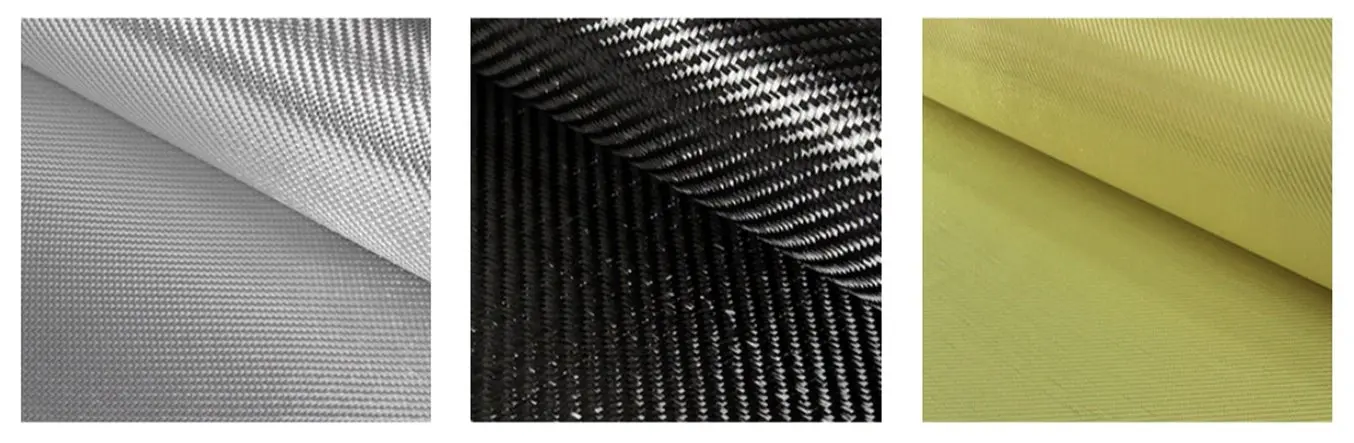
| ガラス繊維 | 炭素繊維 | アラミド繊維(ケブラー) |
|---|---|---|
| 最も一般的な繊維 軽量で、適度な引張・圧縮強度 低コストで加工が容易 | 業界最高の強度・剛性(比強度、比剛性) 他の繊維より高価 | 炭素繊維より高い耐衝撃性・耐摩耗性 低い圧縮強度 切断や加工が難しい |
繊維を結合して硬質の複合材料を作るためには、樹脂が使用されます。数百種類の樹脂が使用可能ですが、最も一般的なものは以下の通りです。
| レジン | 長所 | 短所 | 二次硬化 |
|---|---|---|---|
| エポキシ | 最高の最終強度 最軽量 最長の保存期間 | 最も高価 混合比や温度変化に敏感 | 特定の硬化剤が必要(二成分系) エポキシの種類により加熱が必要な場合あり |
| ポリエステル | 使いやすい(最も一般的) 紫外線への耐性あり 最も低コスト | 強度と耐腐食性が低い | 触媒(MEKP)で硬化 |
| ビニールエステル | エポキシの性能とポリエステルのコストを併せ持つ 最高の耐腐食性、耐熱性、伸び率 | エポキシより強度が低く、ポリエステルよりコストが高い 保存期間が短い | 触媒(MEKP)で硬化 |
無料相談セッションのご予約
3D プリントのエキスパートに一対一でご相談いただける相談セッションをご用意しています。ROI 分析やテスト・プリントなどを通して、お客様のビジネスに最適なソリューションを一緒に考えましょう。
炭素繊維部品を製造する3つの方法
炭素繊維部品など、繊維強化プラスチックの製造はスキルと労力を要するプロセスで、一品ものからバッチ生産まで幅広く行われています。サイクルタイムは部品のサイズと複雑さに応じて1時間〜150時間です。通常、連続した繊維をマトリックスで結合して個々のプライを形成し、それらを層ごとに積層して最終的な部品を製作します。
複合材の特性はラミネート過程のみでなく使用する材料によっても変わり、繊維を取り込む方法が部品の性能に大きく影響します。熱硬化性樹脂は、補強材とともに成形型や金型で形作られ、硬化して頑丈な製品となります。様々な積層技術がありますが、主に以下の3つに分類できます。
1. ウェットレイアップ
ウェットレイアップでは、繊維をカットして金型に敷き、その上からブラシ、ローラー、スプレーガンで樹脂を密着させます。この方法は高品質な部品を作るためには最も技術力が必要になりますが、DIYで炭素繊維部品を作るのに最もコストが低く、始めやすい方法です。炭素繊維部品の製造に初めて取り組む場合や設備が整っていない場合は、手作業によるウェットレイアップから始めることをお勧めします。
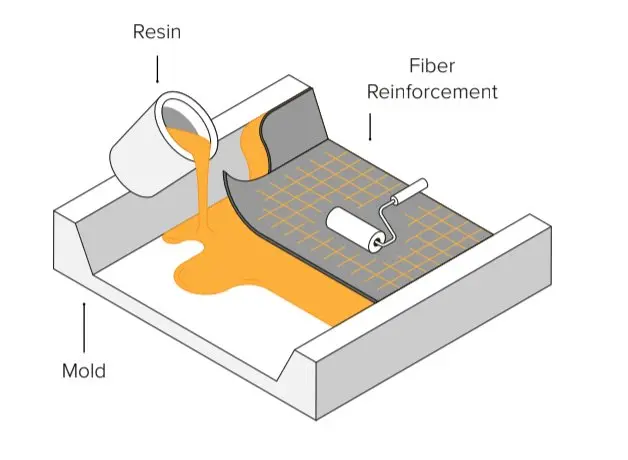
上の動画では、炭素繊維のウェットレイアップ成形の工程を紹介。
2.プリプレグ積層
プリプレグ積層では、樹脂があらかじめ繊維に含浸された状態でプリプレグシートとして硬化を防ぐために冷蔵保存されています。その後、オートクレーブ内で熱と圧力をかけてプライを金型内で硬化させます。樹脂の量が制御されているためより正確で再現性の高いプロセスですが、最も高価な技術であり、高性能な用途で使用されます。
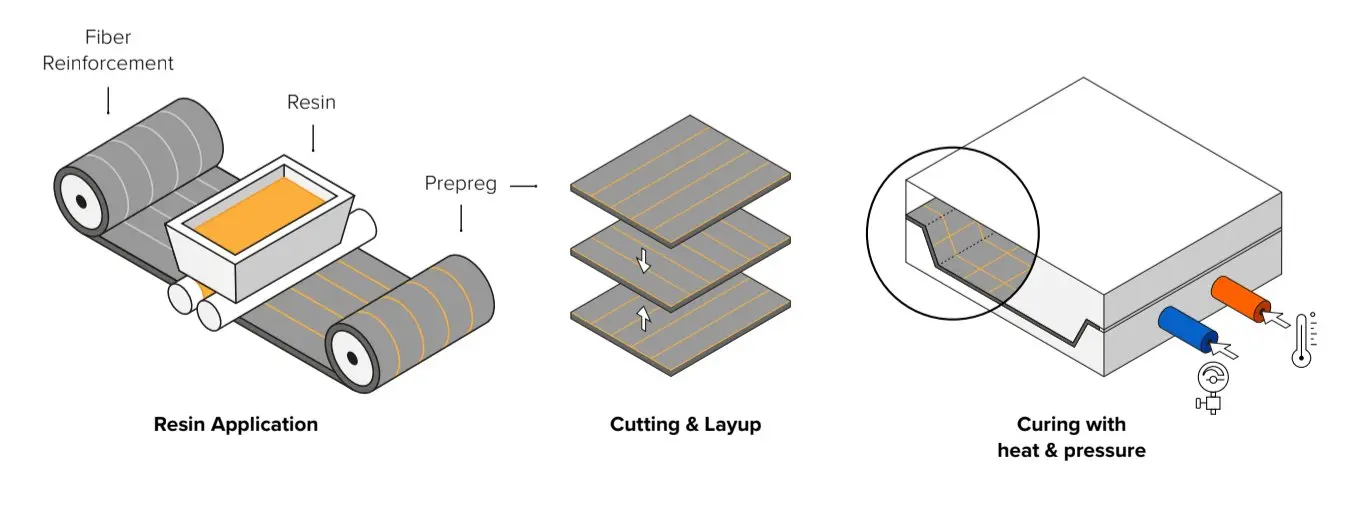
3. レジントランスファーモールディング(RTM)
RTMでは、乾燥した繊維を二つ割の金型の中に入れ、その後金型をクランプで閉じ、高圧をかけて樹脂をキャビティ内に押し当てます。工程が自動化されていることが一般的で、大量生産に使用されます。
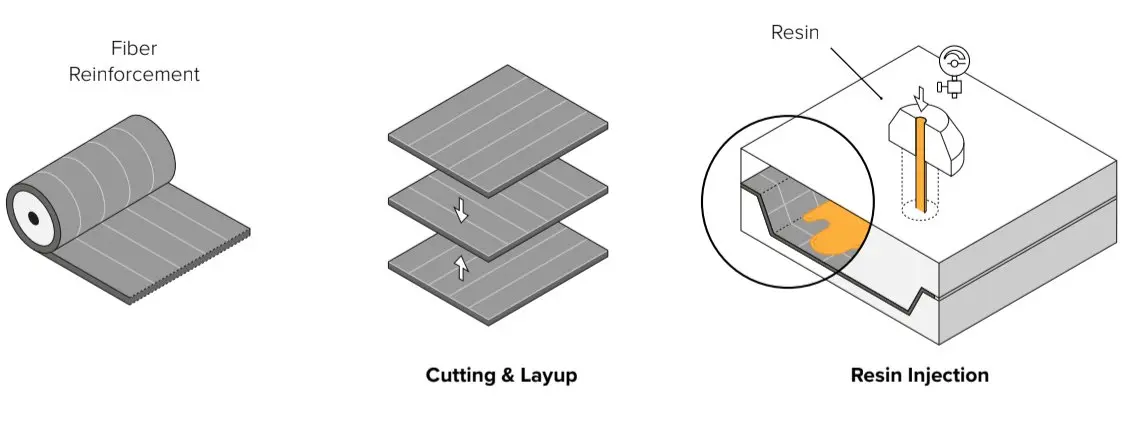
3Dプリント製の型で炭素繊維部品を製造する
成形型の品質は最終的な製品の品質に直接影響するため、FRP製品の製造において成形型の製作プロセスが非常に重要なポイントになります。成形型の多くはワックス、フォーム、木材、プラスチック、金属を使用してCNC加工または手作業で製作されています。手作業で製作する場合は非常に労力がかかりますが、CNC加工も複雑で時間のかかる工程を必要とし、特に複雑な形状の場合はその傾向が強くなります。一方、外部委託は高コストで製作期間も長くなりがちです。どちらの方法も熟練の技術者を必要とし、デザインの試作・検証や成形型の細かな調整を柔軟に行うことができません。
アディティブマニュファクチャリングは、炭素繊維部品用の成形型や原型を迅速かつ低コストで製作するソリューションとなります。製造プロセスにおけるポリマー型の使用は増加し続けています。金型を内製のプラスチック型に置き換えることで成形型の製作期間を短縮し、設計の柔軟性も高まる強力でコスト効率の高い手段となります。エンジニアは、フィラメントワインディングや繊維の自動配置などをサポートする治具や固定具の製作に、ポリマーレジンを使用した3Dプリント品を活用しています。同様に、短時間でプリントした成形型やダイを使って、射出成形、熱成形、シートメタル成形などによる少量バッチの生産が行われています。
社内導入可能なデスクトップサイズの3Dプリントは必要な設備が少なく、ワークフローの複雑さが軽減されます。Form 3+のような工業品質のデスクトップサイズ光造形3Dプリンタは価格も手頃で導入が容易、かつ需要に応じて生産規模を迅速にスケールアップできます。Form 3Lのような大容量の3Dプリンタを使用すれば、大型の成形型や治具の製作も可能です。
SLA光造形方式3Dプリントは、炭素繊維のレイアップ成形型に不可欠な、非常に滑らかな表面仕上げや高精度で複雑な形状も実現できます。さらに、Formlabsのレジンライブラリには成形型や原型の製作に適した機械的・熱的特性を備えたエンジニアリング系材料が豊富に揃っています。
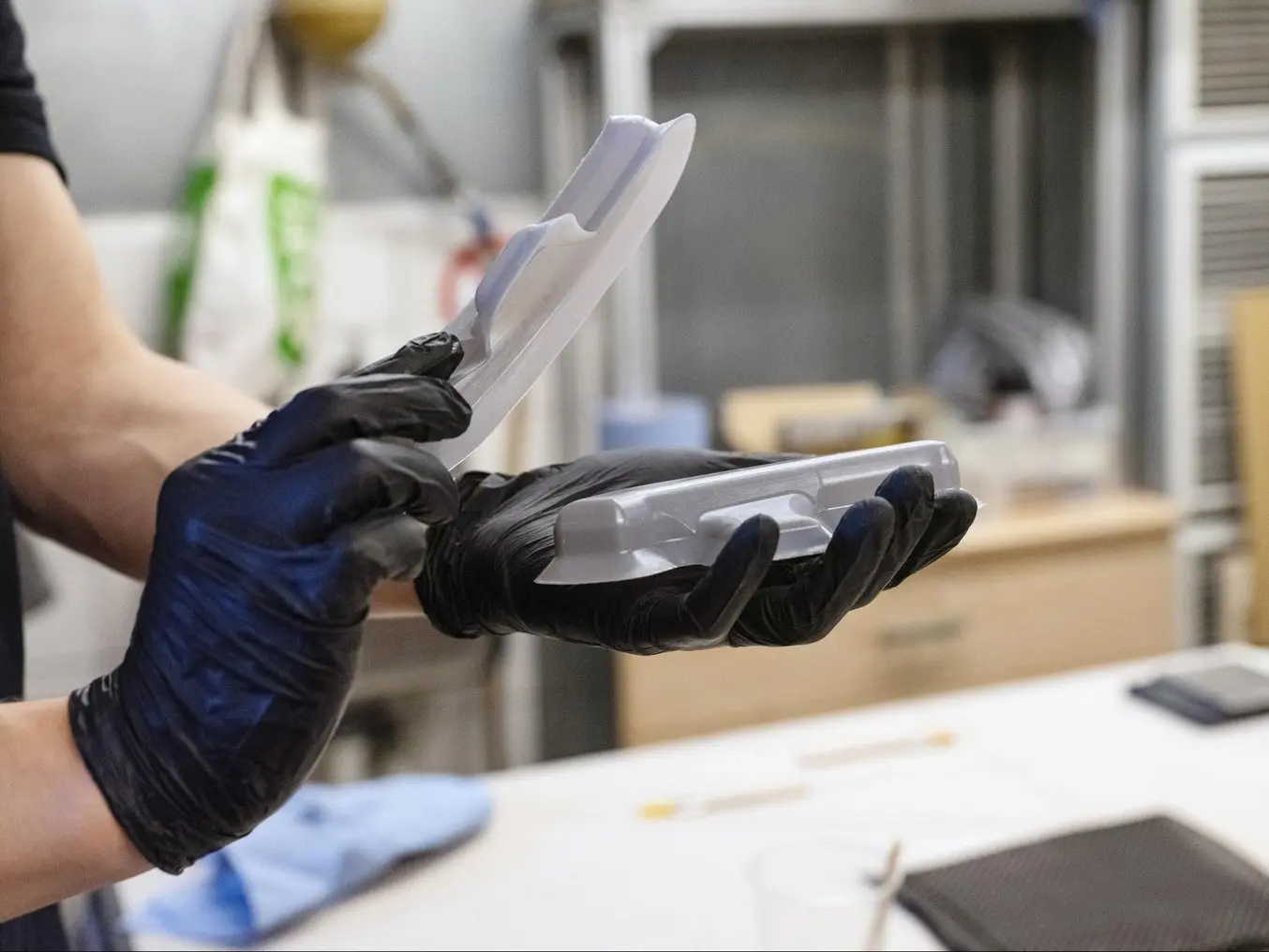
3Dプリント製の成形型を使用して炭素繊維部品を製造することで、コストを削減し、製作期間も短縮できます。
小規模生産の場合は、エンジニアは成形型を低コストで数時間以内に直接3Dプリントできます。手作業で材料を掘り出したり、CNC加工機やCAMソフトウェアの取り扱い、機械のセットアップ、ワークの固定、切削、切りくずの除去などが必要ありません。成形型の製作にかかる作業量と製作期間が大幅に削減されることで、デザインの試作・検証を迅速に繰り返したり、部品のカスタマイズが可能になります。また、従来の方法では製造が困難だった繊細なディテールを持つ複雑な成形型も製作できます。
TU Berlinのフォーミュラ・スチューデントチーム(FaSTTUBe)は、レーシングカー用に多数の炭素繊維部品を製作しました。チームのエンジニアたちは、FormlabsのTough 1500レジンで直接プリントした成形型を使ってハンドラミネート成形を行いました。このレジンは引張弾性率1.5 GPa、破断伸び51%という特徴を備えており、レイアップ中に十分な強度とサポート力を持つだけでなく、硬化後に部品を成形型から分離するのに十分な柔軟性も備えています。
Mold Architecture and Design Guidelines
When designing your mold, consider what will print successfully, as well as what will mold successfully. Different mold architectures are used to create different types of geometry:
- One-part mold in vacuum bagging: Used for parts that need one class A side, meaning a glossy finish. It can be positive or negative, depending on which side should be class A. One side is the mold surface, the other side is the vacuum bag surface.
- Two-part mold in compression molding: Used for parts where both sides of the part need to be class A. Both sides are mold surfaces.
- Bladder mold in pressure molding: Used for complex geometry where a vacuum bag or compression mold can not be employed due to the inability of the part to demold. One side is the mold surface, while the other side is the bladder surface.
- Mold pattern to create a negative mold: Used when multiple molds are desired to increase production. Multiple molds can be made from a single pattern.
Add draft angle: Two to three degrees of positive draft angle will facilitate the demolding step and increase the life of the mold, in particular for stiff molds. However, using a pliable 3D printing material such as Tough 1500 Resin can permit you to create parts without a draft and include challenging geometries that could not be demolded from a stiff mold. Set a minimum radius appropriate for your material thickness: this helps the fibers to align on corners while avoiding air inclusion, and to create repeatable quality parts. Avoid steep and close proximity corners, as flowing geometries are easier to work with than boxy, edgy ones.
Set a minimum radius appropriate for your material thickness: This helps the fibers to align on corners while avoiding air inclusion, and to create repeatable quality parts. Avoid steep and close proximity corners, as flowing geometries are easier to work with than boxy, edgy ones.
Add draft angle: Two to three degrees of positive draft angle will facilitate the demolding step and increase the life of the mold, in particular for stiff molds. However, using a pliable 3D printing material such as Tough 1500 Resin can permit you to create parts without a draft and include challenging geometries that could not be demolded from a stiff mold. Set a minimum radius appropriate for your material thickness: this helps the fibers to align on corners while avoiding air inclusion, and to create repeatable quality parts. Avoid steep and close proximity corners, as flowing geometries are easier to work with than boxy, edgy ones.
Set a minimum radius appropriate for your material thickness: This helps the fibers to align on corners while avoiding air inclusion, and to create repeatable quality parts. Avoid steep and close proximity corners, as flowing geometries are easier to work with than boxy, edgy ones.
Other best practices:
- Print at the smallest layer height possible to optimize the resolution and demolding step.
- Avoid supports on molding faces for better surface finish.
- Use a release agent: this is required to enable the demolding process.
- To avoid air inclusion: after stirring and mixing, wait two minutes to have the air settle out of the resin. Reiterate after brushing on the first layer of resin. If small air bubbles remain, it can be polished out and sealed off in post-processing.
Case Study: TU Berlin 3D Prints Carbon Fiber Molds With Tough 1500 Resin
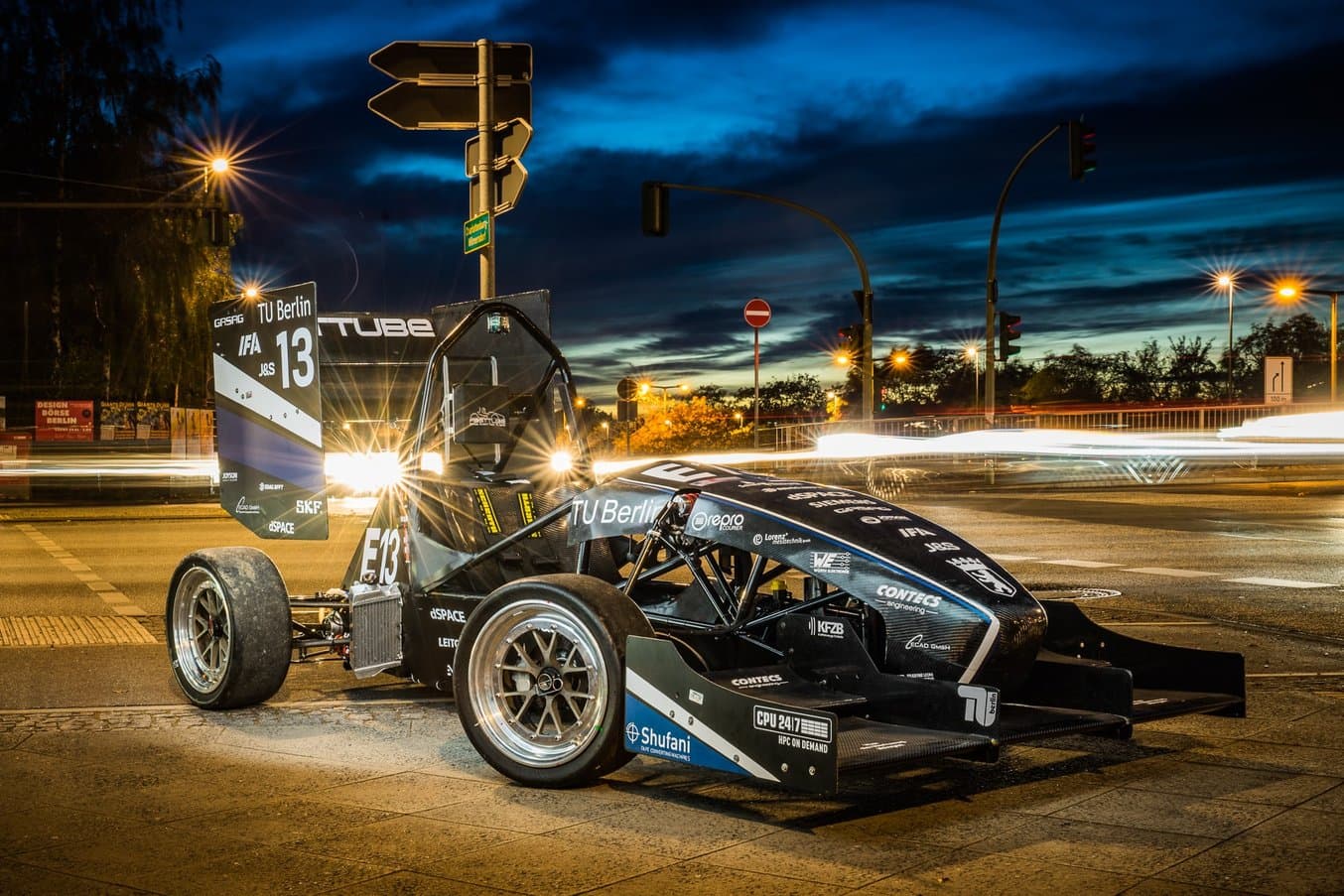
The Formula Student is a yearly engineering design competition in which student teams from around the world build and race formula-style cars. The Formula Student Team TU Berlin (FaSTTUBe) is one of the largest groups; 80 to 90 students have been developing new racing cars every year since 2005.
The Formula Student team at TU Berlin (FasSTTUBe) is building three vehicles for the annual Formula Student competition. With access to nearly the full range of fabrication technologies, they are using 3D printing for three purposes:
- Prototypes: they print prototypes for various parts, such as mountings of the anti-roll bar or stakeholders of the HV Battery.
- Molds to manufacture carbon fiber parts: the team printed a dozen molds to fabricate carbon fiber parts that could not have been made otherwise.
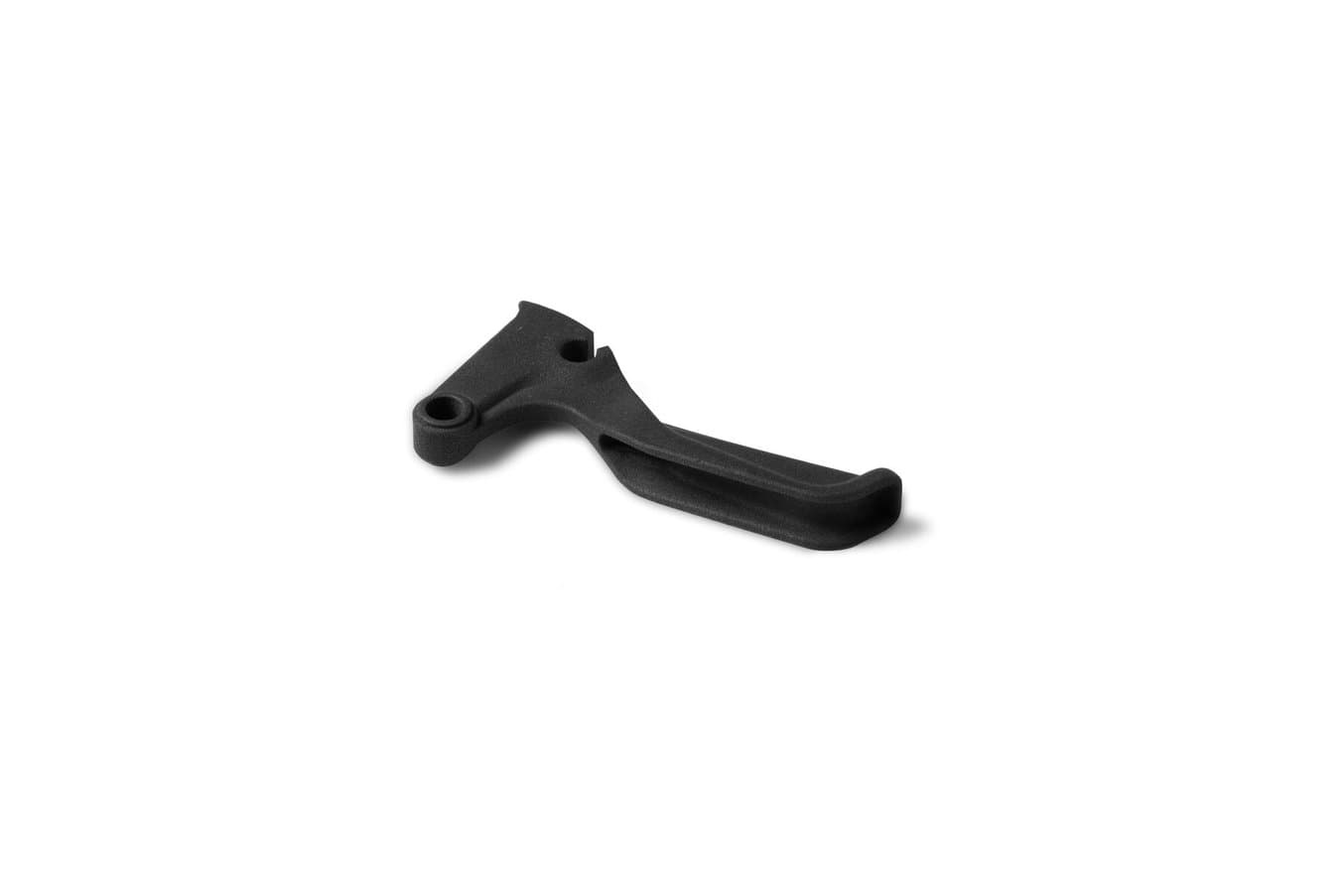
- End-use parts: about 30 parts on the final vehicles are directly 3D printed: from button holders, shifters of the steering wheel, to hoses and sensor connectors of the cooling systems.
In this case study, we’re looking into the details of the molding application they used to fabricate the steering wheel housing and grips in carbon fiber.
Reducing weight is essential in the construction of racing cars. In an effort to lighten the parts, they could have printed hollow steering wheel grips, but it would not be strong enough to bear the grasp of the driver.
Carbon fiber is a great material to lower weight while maintaining or increasing strength. To be able to fabricate the part in carbon fiber this year, Felix Hilken, the Head of Aerodynamics and Carbon Manufacturing, developed a workflow using 3D printed molds for wet lay-up lamination.
1. 成形型を設計する
The grip was manufactured in two halves subsequently assembled, in order to be able to demold the part. For each half of the grip, Felix designed a two-part mold including features that would be challenging to manufacture without 3D printing, in particular:
- Fine features such as tight internal radii, sweeping surfaces, or varying radii surfaces.
- Round tight edges that could not be demolded from an aluminum mold. A hollow 3D printed mold is flexible enough to demold this type of geometry easily.
- Indents for drilling location because the part is sensitive to positioning.
"Some of the features on here can literally not be done with any other process in an economical way," says Felix. He oriented the part to avoid supports on the molding surfaces so that he did not have to post-process the surface of the prints.
2. 成形型の3Dプリント
The grip was manufactured in two halves subsequently assembled, in order to be able to demold the part. For each half of the grip, Felix designed a two-part mold including features that would be challenging to manufacture without 3D printing, in particular:
- Fine features such as tight internal radii, sweeping surfaces, or varying radii surfaces.
- Round tight edges that could not be demolded from an aluminum mold. A hollow 3D printed mold is flexible enough to demold this type of geometry easily.
- Indents for drilling location because the part is sensitive to positioning.
"Some of the features on here can literally not be done with any other process in an economical way," says Felix. He oriented the part to avoid supports on the molding surfaces so that he did not have to post-process the surface of the prints.
2. 成形型の3Dプリント
The grip was manufactured in two halves subsequently assembled, in order to be able to demold the part. For each half of the grip, Felix designed a two-part mold including features that would be challenging to manufacture without 3D printing, in particular:
- Fine features such as tight internal radii, sweeping surfaces, or varying radii surfaces.
- Round tight edges that could not be demolded from an aluminum mold. A hollow 3D printed mold is flexible enough to demold this type of geometry easily.
- Indents for drilling location because the part is sensitive to positioning.
"Some of the features on here can literally not be done with any other process in an economical way," says Felix. He oriented the part to avoid supports on the molding surfaces so that he did not have to post-process the surface of the prints.
2. 成形型の3Dプリント
The grip was manufactured in two halves subsequently assembled, in order to be able to demold the part. For each half of the grip, Felix designed a two-part mold including features that would be challenging to manufacture without 3D printing, in particular:
- Fine features such as tight internal radii, sweeping surfaces, or varying radii surfaces.
- Round tight edges that could not be demolded from an aluminum mold. A hollow 3D printed mold is flexible enough to demold this type of geometry easily.
- Indents for drilling location because the part is sensitive to positioning.
"Some of the features on here can literally not be done with any other process in an economical way," says Felix. He oriented the part to avoid supports on the molding surfaces so that he did not have to post-process the surface of the prints.
2. 成形型の3Dプリント
The grip was manufactured in two halves subsequently assembled, in order to be able to demold the part. For each half of the grip, Felix designed a two-part mold including features that would be challenging to manufacture without 3D printing, in particular:
- Fine features such as tight internal radii, sweeping surfaces, or varying radii surfaces.
- Round tight edges that could not be demolded from an aluminum mold. A hollow 3D printed mold is flexible enough to demold this type of geometry easily.
- Indents for drilling location because the part is sensitive to positioning.
"Some of the features on here can literally not be done with any other process in an economical way," says Felix. He oriented the part to avoid supports on the molding surfaces so that he did not have to post-process the surface of the prints.
2. 成形型の3Dプリント
The grip was manufactured in two halves subsequently assembled, in order to be able to demold the part. For each half of the grip, Felix designed a two-part mold including features that would be challenging to manufacture without 3D printing, in particular:
- Fine features such as tight internal radii, sweeping surfaces, or varying radii surfaces.
- Round tight edges that could not be demolded from an aluminum mold. A hollow 3D printed mold is flexible enough to demold this type of geometry easily.
- Indents for drilling location because the part is sensitive to positioning.
"Some of the features on here can literally not be done with any other process in an economical way," says Felix. He oriented the part to avoid supports on the molding surfaces so that he did not have to post-process the surface of the prints.
2. 成形型の3Dプリント
The grip was manufactured in two halves subsequently assembled, in order to be able to demold the part. For each half of the grip, Felix designed a two-part mold including features that would be challenging to manufacture without 3D printing, in particular:
- Fine features such as tight internal radii, sweeping surfaces, or varying radii surfaces.
- Round tight edges that could not be demolded from an aluminum mold. A hollow 3D printed mold is flexible enough to demold this type of geometry easily.
- Indents for drilling location because the part is sensitive to positioning.
"Some of the features on here can literally not be done with any other process in an economical way," says Felix. He oriented the part to avoid supports on the molding surfaces so that he did not have to post-process the surface of the prints.
2. 成形型の3Dプリント
The grip was manufactured in two halves subsequently assembled, in order to be able to demold the part. For each half of the grip, Felix designed a two-part mold including features that would be challenging to manufacture without 3D printing, in particular:
- Fine features such as tight internal radii, sweeping surfaces, or varying radii surfaces.
- Round tight edges that could not be demolded from an aluminum mold. A hollow 3D printed mold is flexible enough to demold this type of geometry easily.
- Indents for drilling location because the part is sensitive to positioning.
"Some of the features on here can literally not be done with any other process in an economical way," says Felix. He oriented the part to avoid supports on the molding surfaces so that he did not have to post-process the surface of the prints.
2. 成形型の3Dプリント
The grip was manufactured in two halves subsequently assembled, in order to be able to demold the part. For each half of the grip, Felix designed a two-part mold including features that would be challenging to manufacture without 3D printing, in particular:
- Fine features such as tight internal radii, sweeping surfaces, or varying radii surfaces.
- Round tight edges that could not be demolded from an aluminum mold. A hollow 3D printed mold is flexible enough to demold this type of geometry easily.
- Indents for drilling location because the part is sensitive to positioning.
"Some of the features on here can literally not be done with any other process in an economical way," says Felix. He oriented the part to avoid supports on the molding surfaces so that he did not have to post-process the surface of the prints.
2. 成形型の3Dプリント
The grip was manufactured in two halves subsequently assembled, in order to be able to demold the part. For each half of the grip, Felix designed a two-part mold including features that would be challenging to manufacture without 3D printing, in particular:
- Fine features such as tight internal radii, sweeping surfaces, or varying radii surfaces.
- Round tight edges that could not be demolded from an aluminum mold. A hollow 3D printed mold is flexible enough to demold this type of geometry easily.
- Indents for drilling location because the part is sensitive to positioning.
"Some of the features on here can literally not be done with any other process in an economical way," says Felix. He oriented the part to avoid supports on the molding surfaces so that he did not have to post-process the surface of the prints.
2. 成形型の3Dプリント
The grip was manufactured in two halves subsequently assembled, in order to be able to demold the part. For each half of the grip, Felix designed a two-part mold including features that would be challenging to manufacture without 3D printing, in particular:
- Fine features such as tight internal radii, sweeping surfaces, or varying radii surfaces.
- Round tight edges that could not be demolded from an aluminum mold. A hollow 3D printed mold is flexible enough to demold this type of geometry easily.
- Indents for drilling location because the part is sensitive to positioning.
"Some of the features on here can literally not be done with any other process in an economical way," says Felix. He oriented the part to avoid supports on the molding surfaces so that he did not have to post-process the surface of the prints.
結果
By using carbon fiber, the team reduced the weight of the steering wheel housing from 120g to 21g, and they were able to push the design to geometries that would be extremely difficult to manufacture traditionally. “The great thing about 3D printing is that a complex shape is as easy to manufacture as a simple one, it requires the same amount of work and equipment,” says Felix.
Without 3D printing, the team would have had to outsource the CNC milling of an aluminum mold, which is expensive, has a long lead time, and requires specialized tools. “I would CNC machine the mold, I would need to get specialized tools, and wait to get a slot on the machine. But I could not even do this geometry. In particular some of the small corners. I would need to use a design that doesn't have any screws in it, so the part would not be sensitive to positioning."
From his estimation, one mold printed with Formlabs Tough 1500 Resin could be used to fabricate about ten parts. As this is a manual process, it depends on how meticulous the operator is: the mold can break during the separation process. However, multiple 3D printed molds can be used to increase production. Another solution to extend the lifetime of the mold would be to support it with a metallic generic mold. A 3D Saveprinted insert carries the geometry while a backup metallic mold helps to hold its shape. This could be fabricated with a simple manual milling machine.
| Outsourced CNC Machined Mold | 3Dプリント製の型を内製した場合 | |
|---|---|---|
| 設備 | Carbon fiber, resins, tools, vacuum bag | Carbon fiber, resins, tools, vacuum bag, 3D printer, Tough 1500 Resin |
| Mold Production Time | 4-6 weeks | 2 days |
| Labor Costs | $0 | $300 |
| 材料コスト | $0 | $10 |
| Total Mold Production Costs | $900 | $310 |
Case Study: Automotive Carbon Fiber Parts for Panoz
DeltaWing Manufacturing creates composite parts for the company Panoz, a designer and manufacturer of exclusive, American-made luxury sports cars. To fabricate carbon fiber components, DeltaWing Manufacturing used to machine a pattern, layup or cast a mold on it, and finish the mold before applying the prepreg process to laminate the carbon fiber part.
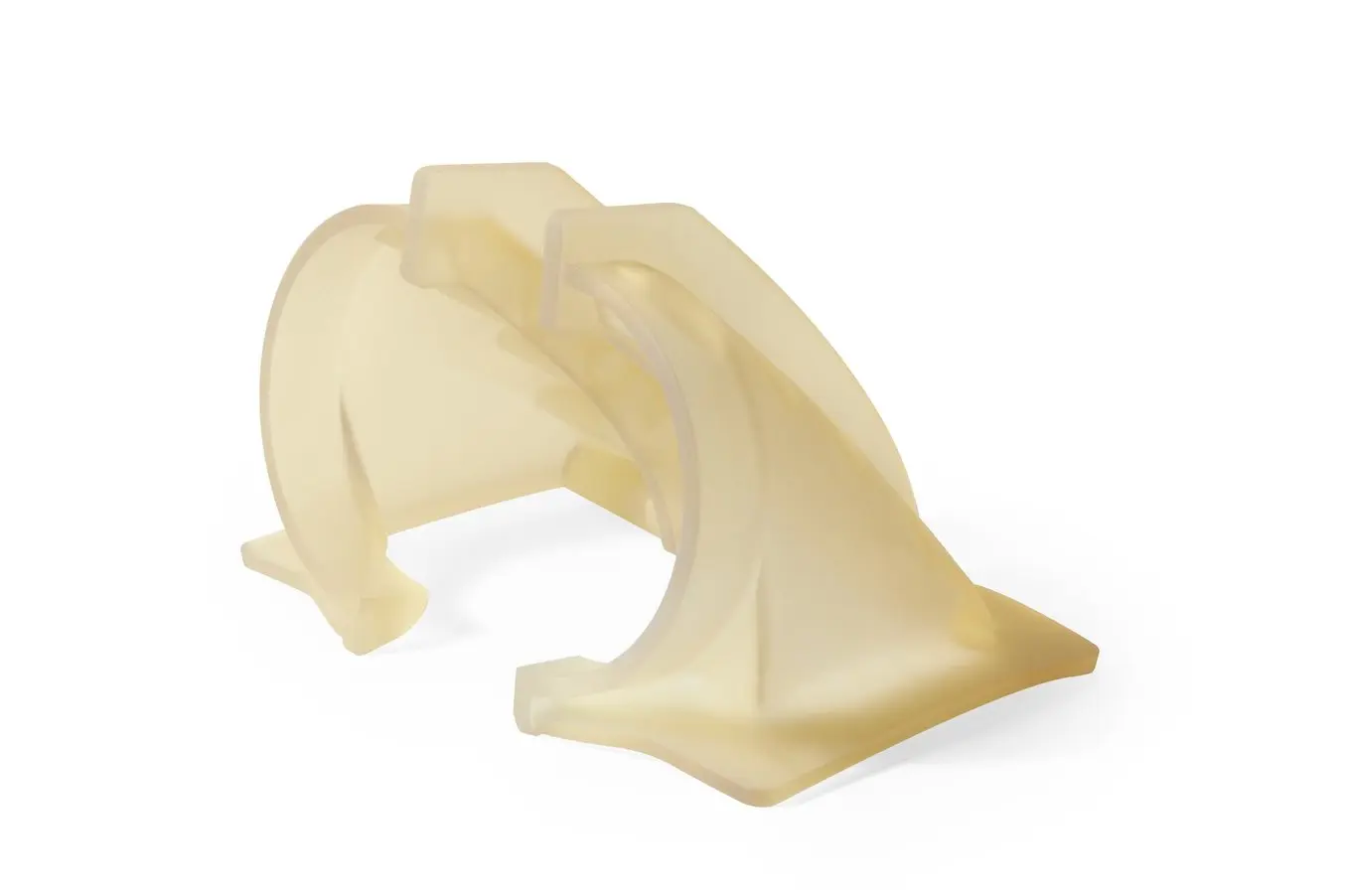
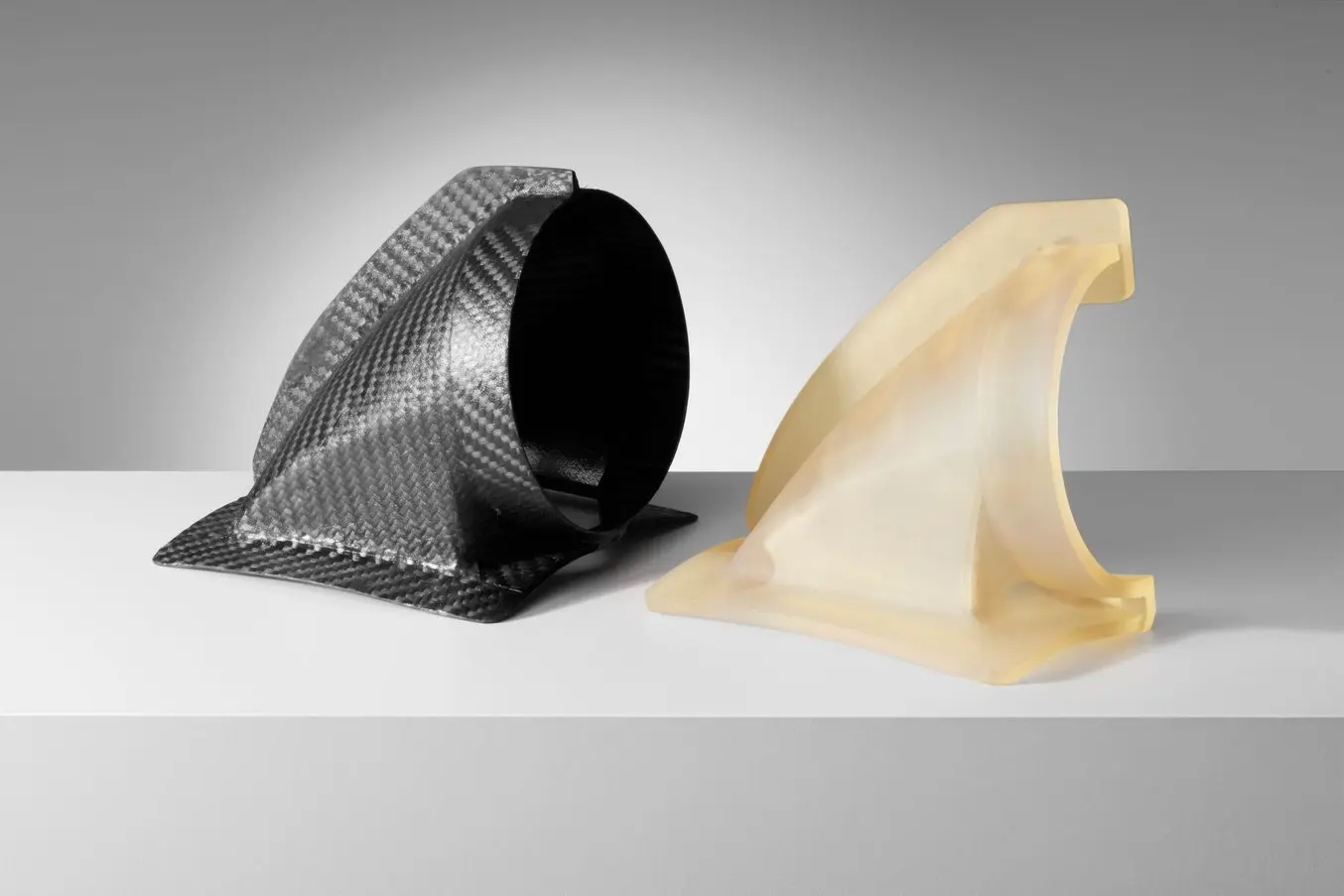
In the past years, they started using in-house 3D printed parts as an intermediate step in this process. Panoz needed six units of a carbon fiber fender air duct for a custom racing car. In order to reduce labor and lead time from their traditional mold making technique, the engineers from DeltaWing Manufacturing chose to directly 3D print the mold and implement it in their prepreg process.
The next section describes the procedure they utilized.
Equipment Necessary:
- Formlabs SLA 3D printer with High Temp Resin
- Carbon fiber: 4K, bidimensional pattern
- Mold release: polyvinyl alcohol
- Kapton (polyimide) tape
- High-strength epoxy resin
- Brush and scissors
- Vacuum bag, vacuum pump
1. 成形型を設計する
The duct was fabricated in two distinct pieces on two different molds in order to facilitate the separation of the final part from the mold, and then subsequently bonded. Each mold was also printed in two pieces and assembled together so that it could fit in the build volume of the Form Series printer — however, this would not be necessary with the larger build volume of the Form 4L printer. The parts were designed for additive manufacturing, following mold design recommendations.
2. 成形型の3Dプリント
The duct was fabricated in two distinct pieces on two different molds in order to facilitate the separation of the final part from the mold, and then subsequently bonded. Each mold was also printed in two pieces and assembled together so that it could fit in the build volume of the Form Series printer — however, this would not be necessary with the larger build volume of the Form 4L printer. The parts were designed for additive manufacturing, following mold design recommendations.
1. 成形型を設計する
The duct was fabricated in two distinct pieces on two different molds in order to facilitate the separation of the final part from the mold, and then subsequently bonded. Each mold was also printed in two pieces and assembled together so that it could fit in the build volume of the Form Series printer — however, this would not be necessary with the larger build volume of the Form 4L printer. The parts were designed for additive manufacturing, following mold design recommendations.
結果
The team tested six iterations for one mold without observing any significant degradation. We estimate around 10-15 iterations are possible for one mold. As autoclaves are used to apply heat and pressure during curing in the prepreg process, the printed mold can only withstand a few iterations. Therefore, this method is not recommended for high-volume production, but it is a great way to produce short-run batches and mass-customized parts. This enables a wide range of applications such as high-performance sports equipment, customized tooling for aerospace, or personalized prosthetics that are unique to the patients in healthcare.
炭素繊維を使った3Dプリント
従来の炭素繊維部品の強度、耐久性、堅牢性と、3Dプリントの迅速性、形状自由度、再現性を組み合わせたワークフローには、大きな需要があります。そういった背景から、炭素繊維の3Dプリントを提供する多くの3Dプリント企業が存在するのも不思議ではありません。企業は短繊維または連続繊維を使用した炭素繊維3Dプリントを提供しています。
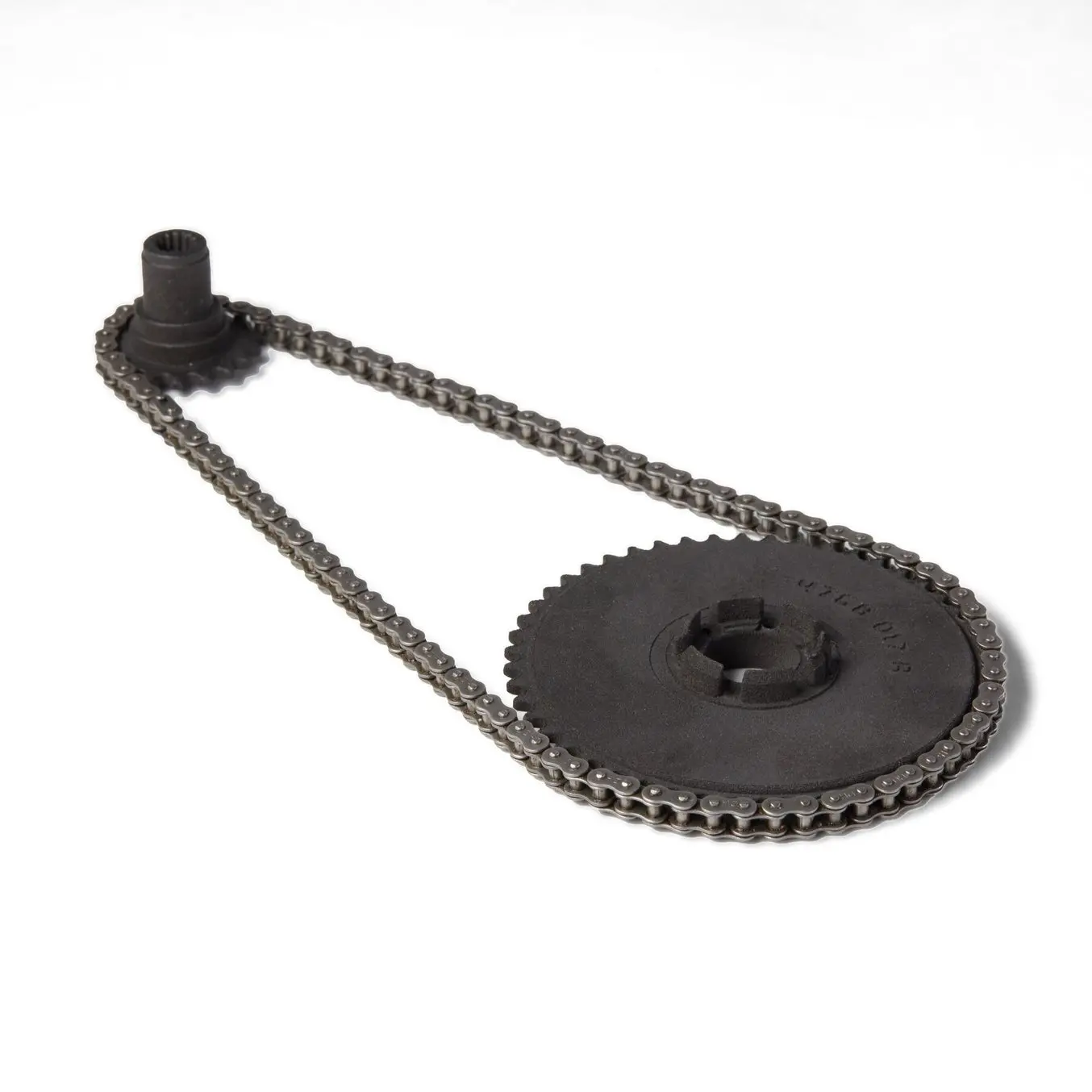
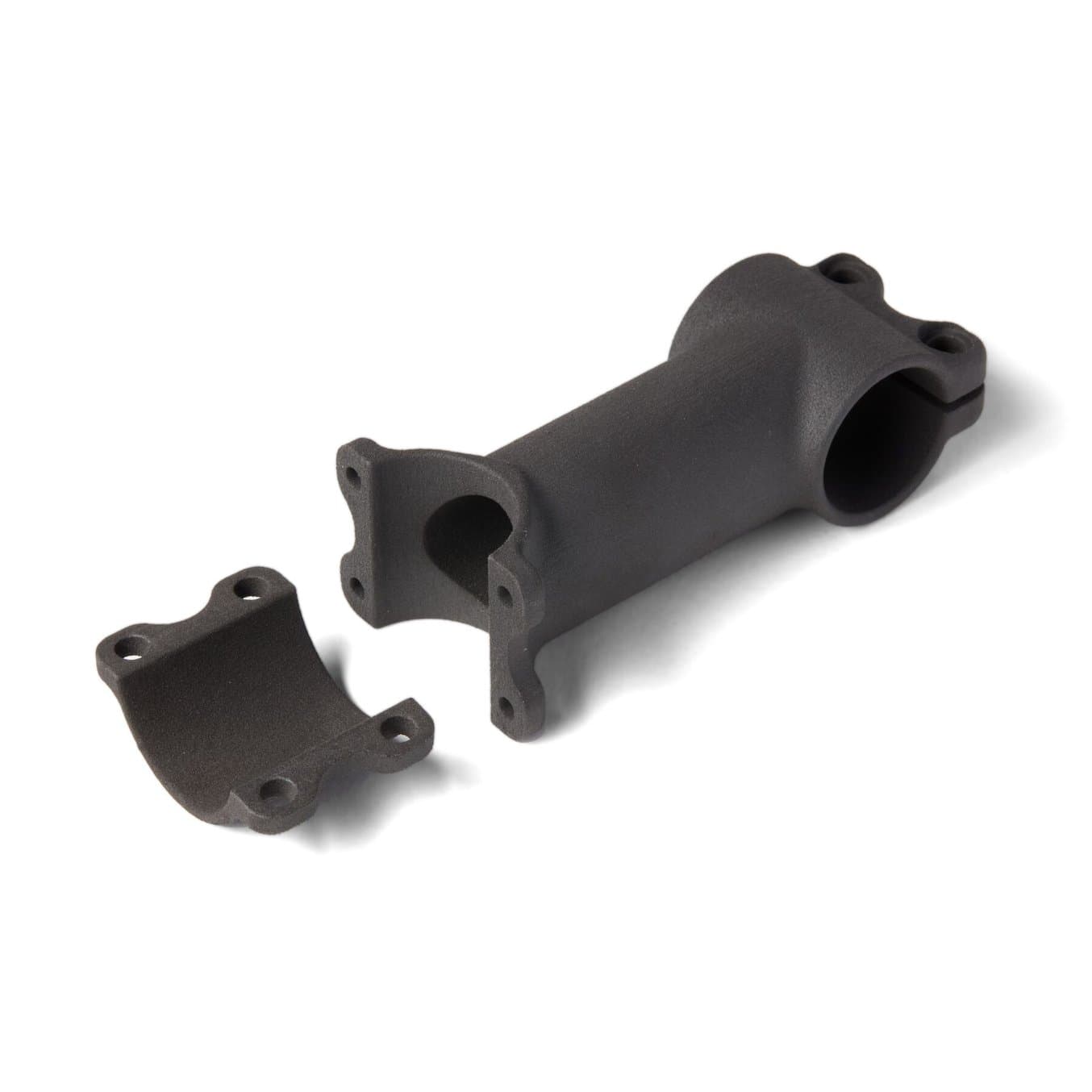
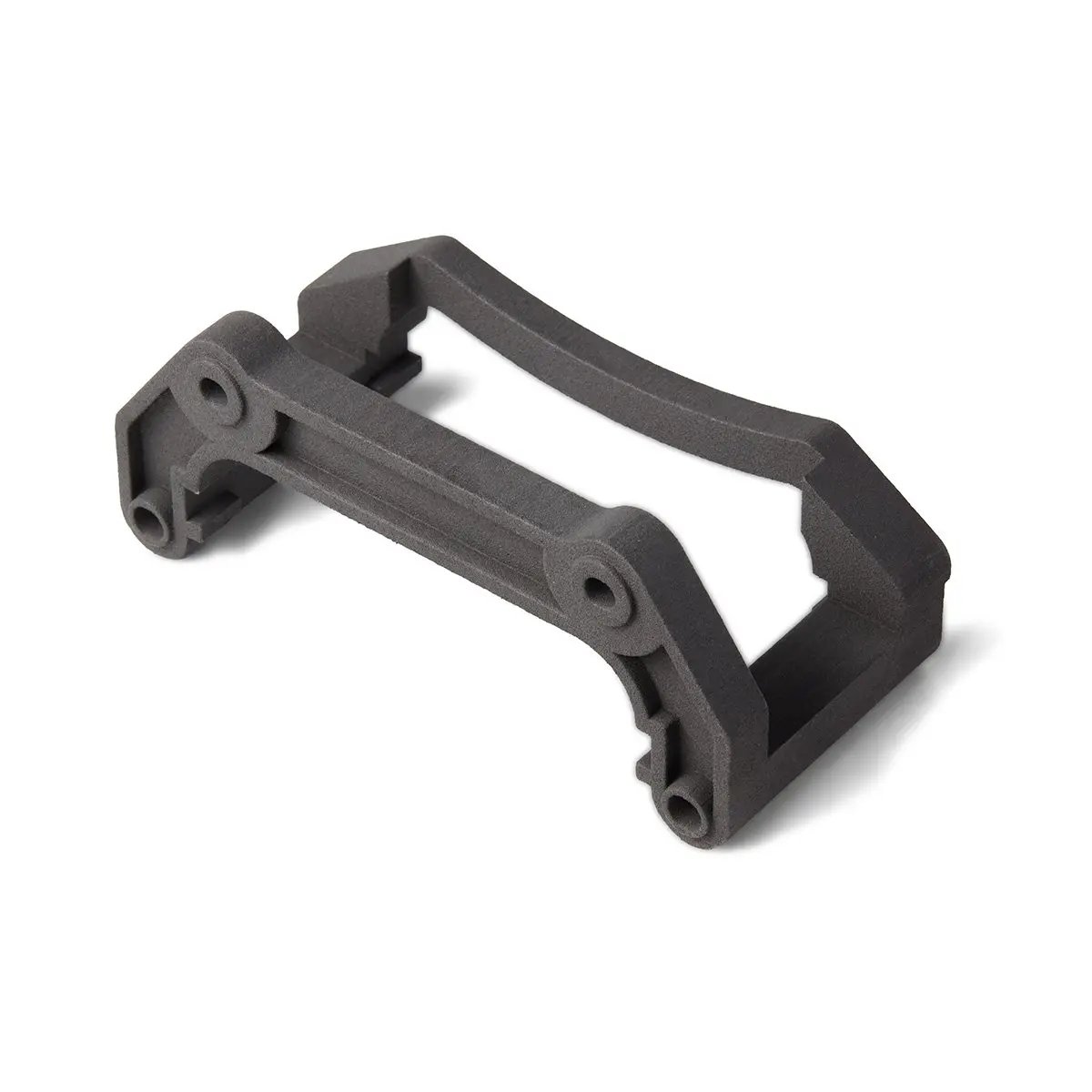
短繊維を使用する場合、SLS(粉末焼結積層造形)方式の工業品質3DプリンタFuse 1+ 30W向けの材料、Nylon 11 CFパウダーを使用すると、メーカーは従来のオーバーレイや加工方法に頼ることなく、強力で軽量、かつ耐熱性のある部品を製作できます。
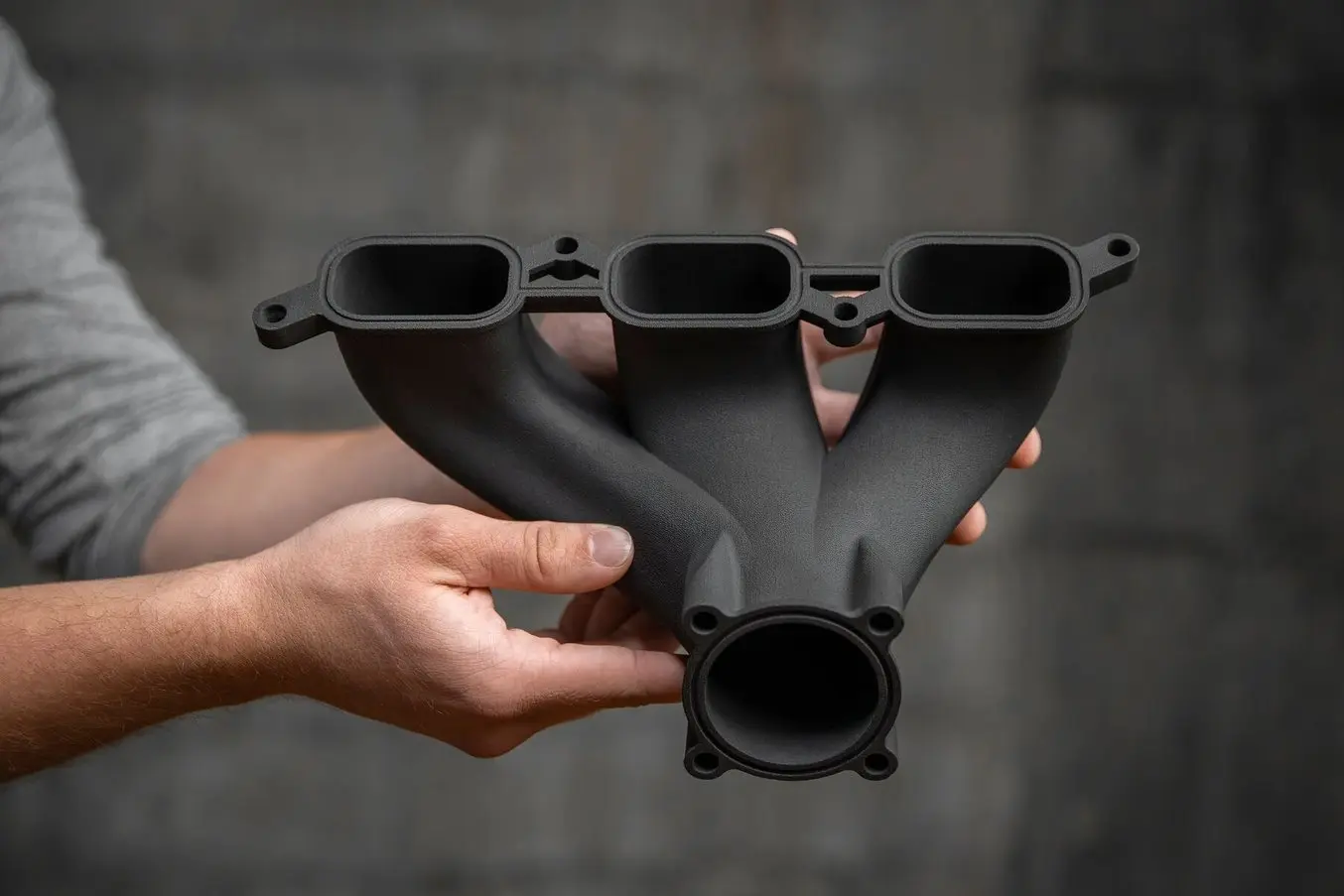
Formlabs Nylon 11 CFパウダーは強度が高く軽量で耐熱性があり、自動車、航空宇宙、製造業での用途に最適な材料。
炭素繊維製造を始める
繊維強化プラスチックを使った製造は、エキサイティングである一方、複雑で多くの作業を必要とするプロセスです。3Dプリント製の成形型や原型を使用して炭素繊維部品を製造することで、ワークフローの複雑さを低減し、設計に対する柔軟性や新たな可能性を広げ、コストと製作期間を削減できます。
本技術資料では、TU BerlinとDeltaWing Manufacturingのケーススタディを通じて、成形型や原型を迅速に製作する3つのワークフローをご紹介するとともに、複合材料を使った製造における3Dプリントの活用方法をご提案します。