Using Draft Resin

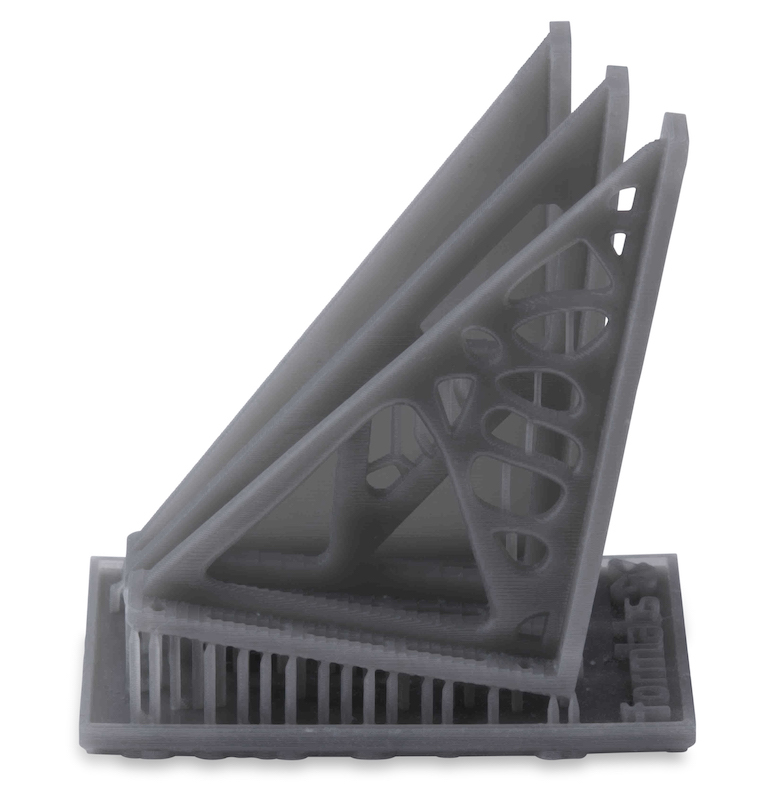
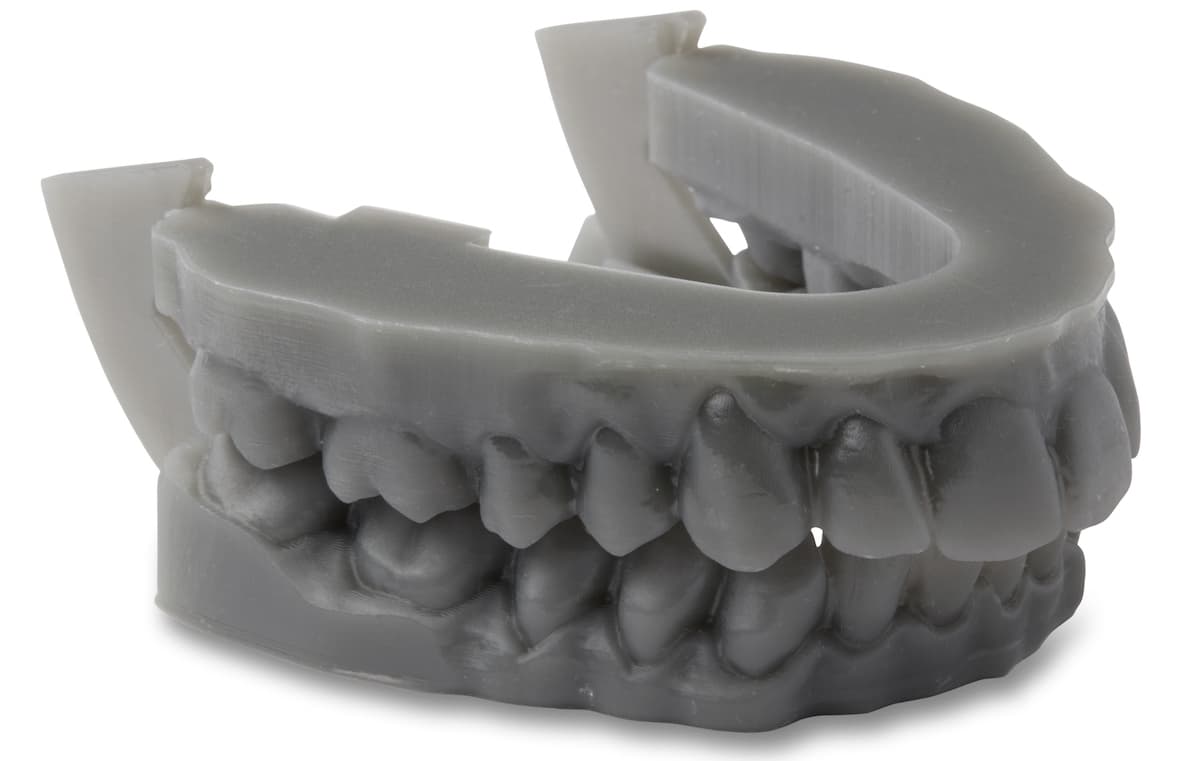
Draft Resin is the fastest-printing Formlabs resin. Parts printed with Draft Resin print three to four times faster than parts printed with other standard resins.

The print speed of Draft Resin makes it ideal for same-day design iterations and printing bulky, full-build-volume parts in less than eight hours.

Note:

To learn more about the performance or specific material properties of Draft Resin, please refer to the Safety Data Sheet (SDS) and Technical Data Sheet (TDS). Always consult the SDS as the primary source of information to understand safety and handling of Formlabs materials.

  ResinLayer thicknessPrint time
hyphae-lamp Clear Resin25 microns
50 microns
100 microns
55 hours
24 hours
13 hours
 Draft Resin V1300 microns4 hours
 Draft Resin V2100 microns
200 microns
9 hours
3 hours
Draft resin

Recommended for:

  • Bulky parts
  • Assemblies
  • Same-day design iterations
  • Quick concept prototyping

Not suitable for:

  • Parts that require a Very smooth surface finish
  • End-use parts that require specific mechanical properties

Notice:

To avoid damage to equipment, check the resin tank compatibility table in Choosing the right material to confirm you are using a resin tank that is compatible with this material.

Comparison with other Formlabs materials

  Draft Resin V1,
post-cured
(room temp)
Draft Resin V1,
post-cured (60 °C)
Draft Resin V2,
post-cured
(room temp)
Draft Resin V2,
post-cured (60 °C)
UTS (MPa) 28 36 36 52
Elongation (%) 10 7 5 4
Tensile Modulus (GPa) 1.3 1.6 1.7 2.3
Flex Modulus (GPa) 0.9 1.5 1.8 2.3
Notched Izod (J/m) 35 21 29 26
HDT @ 1.8 MPa (°C) 44.3 50.1 53.0 74.0
HDT @ 0.45 MPa (°C) 50.7 63.4 44.0 57.0

To learn more about the performance properties of Formlabs resins, refer to the library of material properties datasheets.

To learn more about the performance properties of Formlabs resins, refer to the library of material properties datasheets.

Printing with Draft Resin

Draft Resin prints at 100 microns and 200 microns. Draft Resin’s accuracy in the X- and Y-axes is comparable with other standard resins. Draft Resin is not recommended for parts that require fine surface detail. 

Notice:

To avoid damage to equipment, check the resin tank compatibility table in Choosing the right material to confirm you are using a resin tank that is compatible with this material.

Install or update PreForm, then set up the next print job.

To prepare a model for printing in PreForm:

  1. Open a model.
  2. Select the resin, resin version, and the desired layer thickness.
  3. Orient to preserve fine details.
  4. Generate supports.
  5. Send the print job to the printer.

Print feature recommendations

Print successfully with Draft Resin by following Formlabs design guidelines. Draft prints with thicker layers and requires slightly different design considerations than other standard resins.

Minimum supported wall thickness
Recommended: 400 microns

Minimum unsupported wall thickness
Recommended: 600 microns

Overhangs
Recommended: 100 microns

Shallow angles
Recommended: 19° from level

Maximum horizontal support span
Recommended: 6000 microns

Minimum Vertical wire diameter
Recommended: 300 microns to 1500 microns

Embossed detail
Minimum: 100 microns
Recommended: 200 microns

Minimum engraved detail
Recommended: 400 microns

Minimum clearance
Recommended: 500 microns

Minimum hole diameter
Recommended: 500 microns

Drain hole diameter
Recommended: 350 microns
Finishing

The Form Wash agitates the solvent bath and removes parts from the bath after a set time. Wash parts according to the support article Form Wash time settings. Pay particular attention to information that affects mechanical properties or biocompatibility requirements.

Use a syringe or compressed air to thoroughly clear any remaining liquid resin from internal channels and negative features. If post-curing, allow parts to fully dry.

Sand and paint using the same finishing processes used for standard resins.

alt text

Post-curing requirements

Post-curing is not required for Draft Resin. Post-curing will increase tensile strength and decrease elongation.

Refer to the Form Cure time and temperature settings for post-curing recommendations.