
Building Rome in 26 Days: How Form 4L Helped Build a Massive Model City
Building Rome in 26 Days: How Form 4L Helped Build a Massive Model City
How do you create a 7.13 x 6.8 meter (23.39 x 22.3 ft) urban model of Rome in less than a month? For architect Marco Galofaro and his team, the answer was a workflow using Form 4L masked stereolithography (MSLA) 3D printers and Fast Model Resin.
The MAXXI National Museum of 21st Century Arts, located in Rome, Italy, is a national museum housed in a building designed by world-renowned architect Zaha Hadid. For their exhibition "ROMA NEL MONDO" (Rome in the World), an exhibition dedicated to Rome’s urban transformation and its role in the global context, curated by Ricky Burdett and on display at MAXXI from December 17, 2025 to April 26, 2026, Galofaro and his team created a model of Rome out of terracotta tiles. The timeline was tight and the project required an exceptionally high level of detail. With the help of 3DiTALY, Galofaro and his team created a workflow using Form 4L and Fast Model Resin, producing 953 tile molds in 26 days.
Rome in the World by the Numbers
3 Form 4L 3D printers
1,000 L of Fast Model Resin
48 m2 (~516 ft2) the area covered by the tiles
953 tiles produced
15 min average print time for a 17 x 17 cm tile
26 days to complete the project

Talk to Our Sales Team
Whether you need to prototype at speed, or are producing end-use parts, we’re here to help. The Formlabs Sales team is composed of dedicated specialists who know exactly how to support you and your company's needs.
The Challenge: Detailed, Precise Parts in Record Time
Leading the project was Galofaro, an architect and an expert in advanced 3D architectural modeling. With curator Burdett, an internationally renowned architect and Professor of Urban Studies at the London School of Economics, the two arrived at the idea of creating a large-scale model of Rome.
Galofaro began by creating the model of the city in Rhinoceros CAD software. He then worked with 3DiTALY, a Formlabs reseller, to determine the best workflow that could deliver the detailed, precise parts in the short timeline.
3DiTALY determined that fast, reliable Form 4L would provide the detailed parts in the required timeline. From these prints, molds would be created into which the terracotta would be cast.
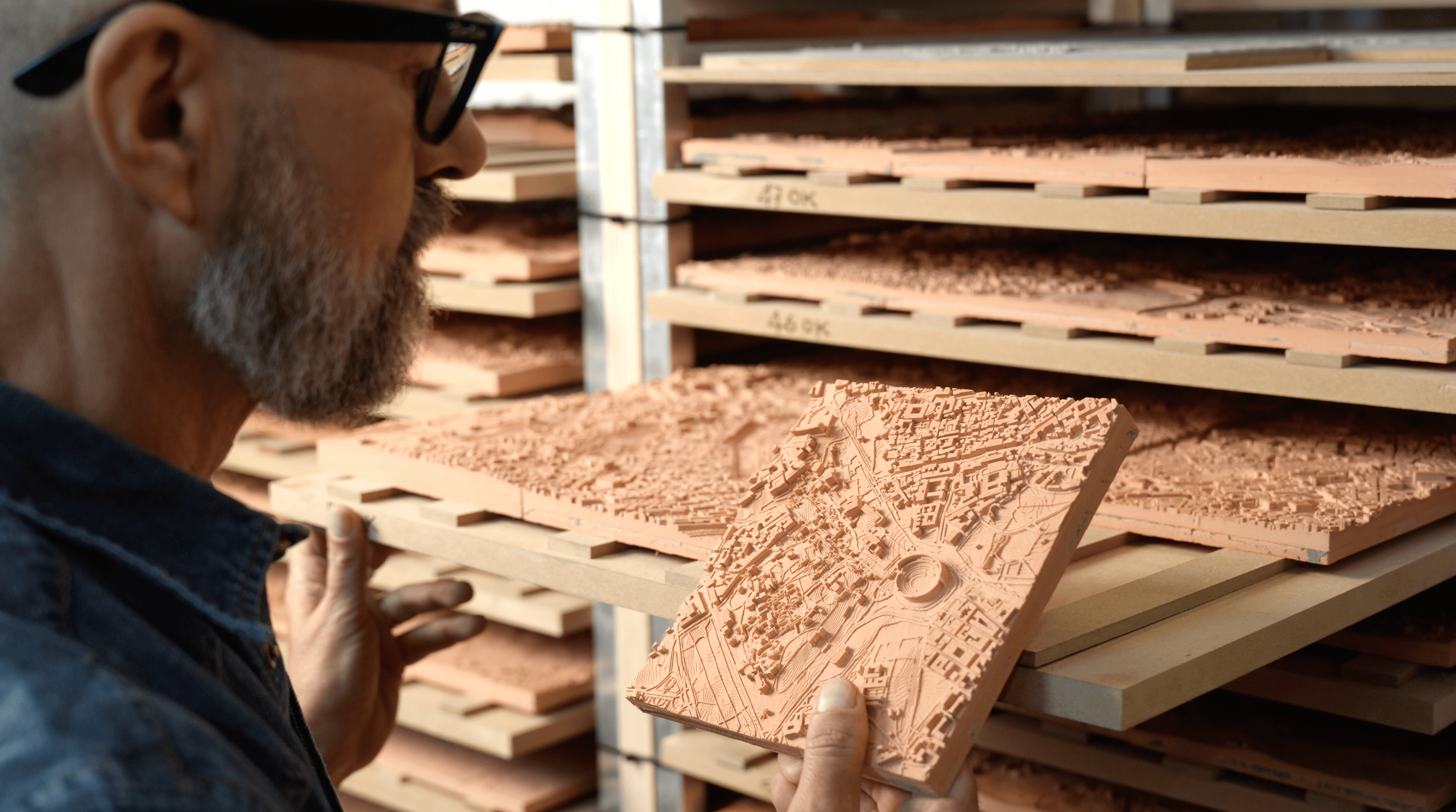
The tiles are highly detailed and precision is required as tiles must be both joined and synced with projected maps. (Image courtesy of the MIC)
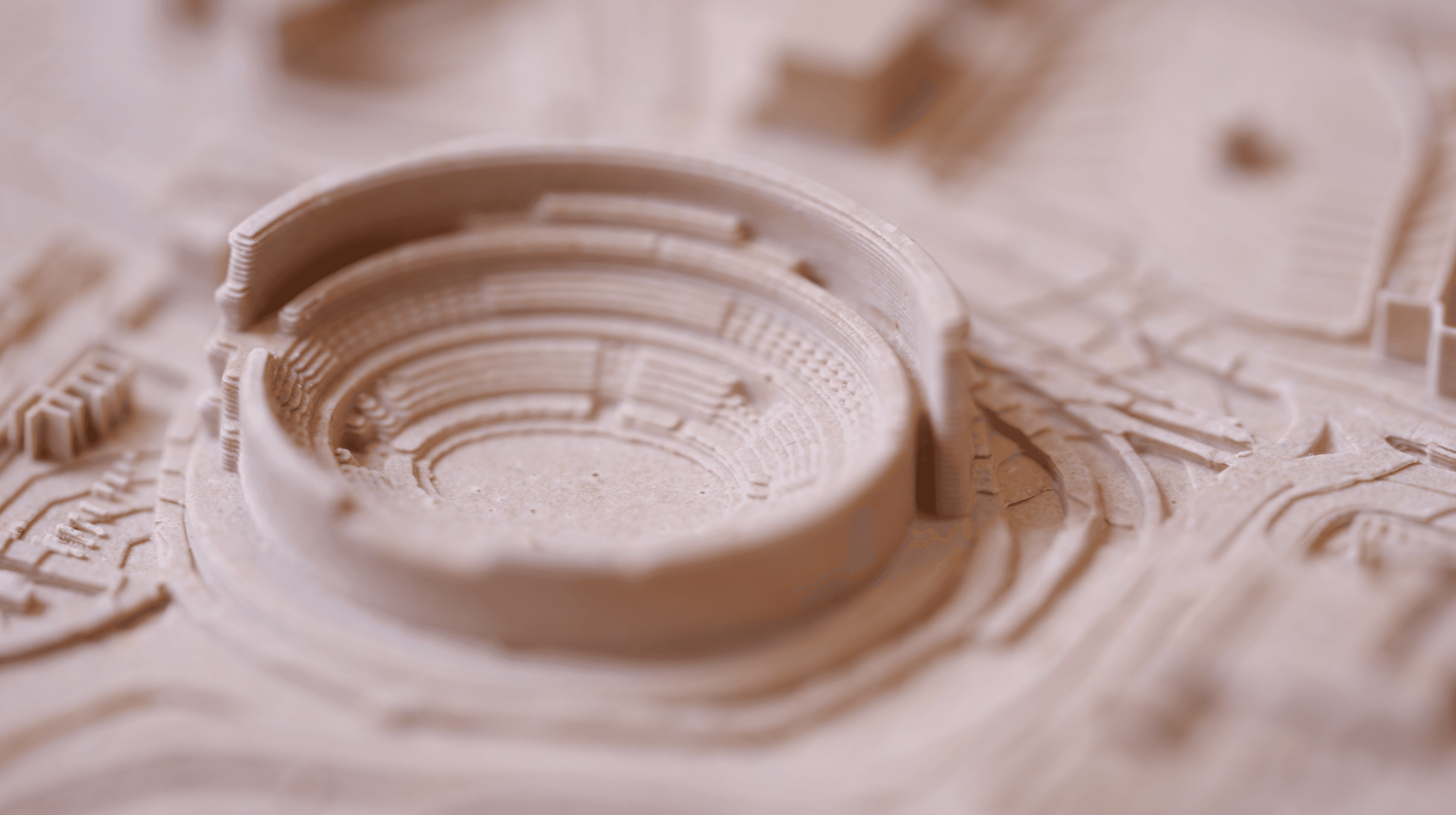
A close-up on the incredible level of detail required for the project. (Image courtesy of the MIC)
The Solution: Form 4L and Fast Model Resin
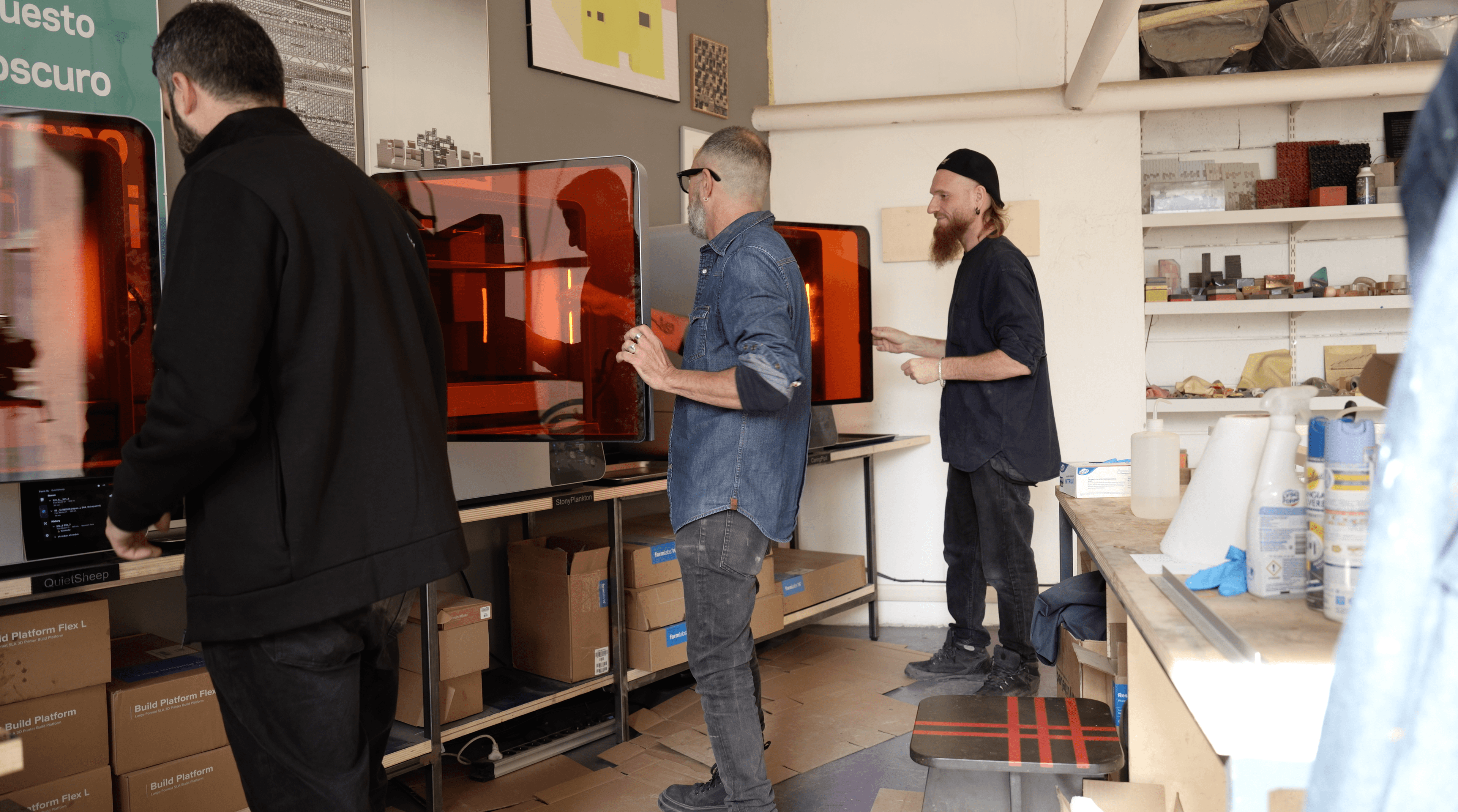
Three Formlabs Form 4L 3D printers were used to print parts. (Image courtesy of the MIC)
3DiTALY consulted on the best materials for the casting process as well as the logistical and technical strategy. Form 4L and Fast Model Resin were selected for their combination of precision, speed, and reliability. Galofaro’s team printed on three Form 4L 3D printers in order to achieve the throughput required by the project timelines.
- Print Speed: Fast Model Resin is Formlabs’ fastest printing resin, formulated to leverage the technology of Form 4 Generation 3D printers. Resin Pumping System was used to deliver 5 L of resin to the printer, improving efficiency with less frequent cartridge changes. The average print time for a single 17 x 17 cm tile using Fast Model Resin was 15 minutes.
- Reliability: Out of the 953 prints, 951 were successful on the first print, for a 99.79% print success rate. The two prints that failed were purely due to operator error. This is not an outlier: independent testing of Form 4 found a 99% print success rate.
- Workflow Ease: Form 4L is easy to learn. With the Form 4L Flex Build Platform, the team could print without supports and easily remove prints in seconds — no tools required.
The entire model, comprising 99 panels of approximately 12 tiles, was completed in just 26 days. If a different 3D printing technology was used, such as fused deposition modeling (FDM), the project would’ve taken at least two months.
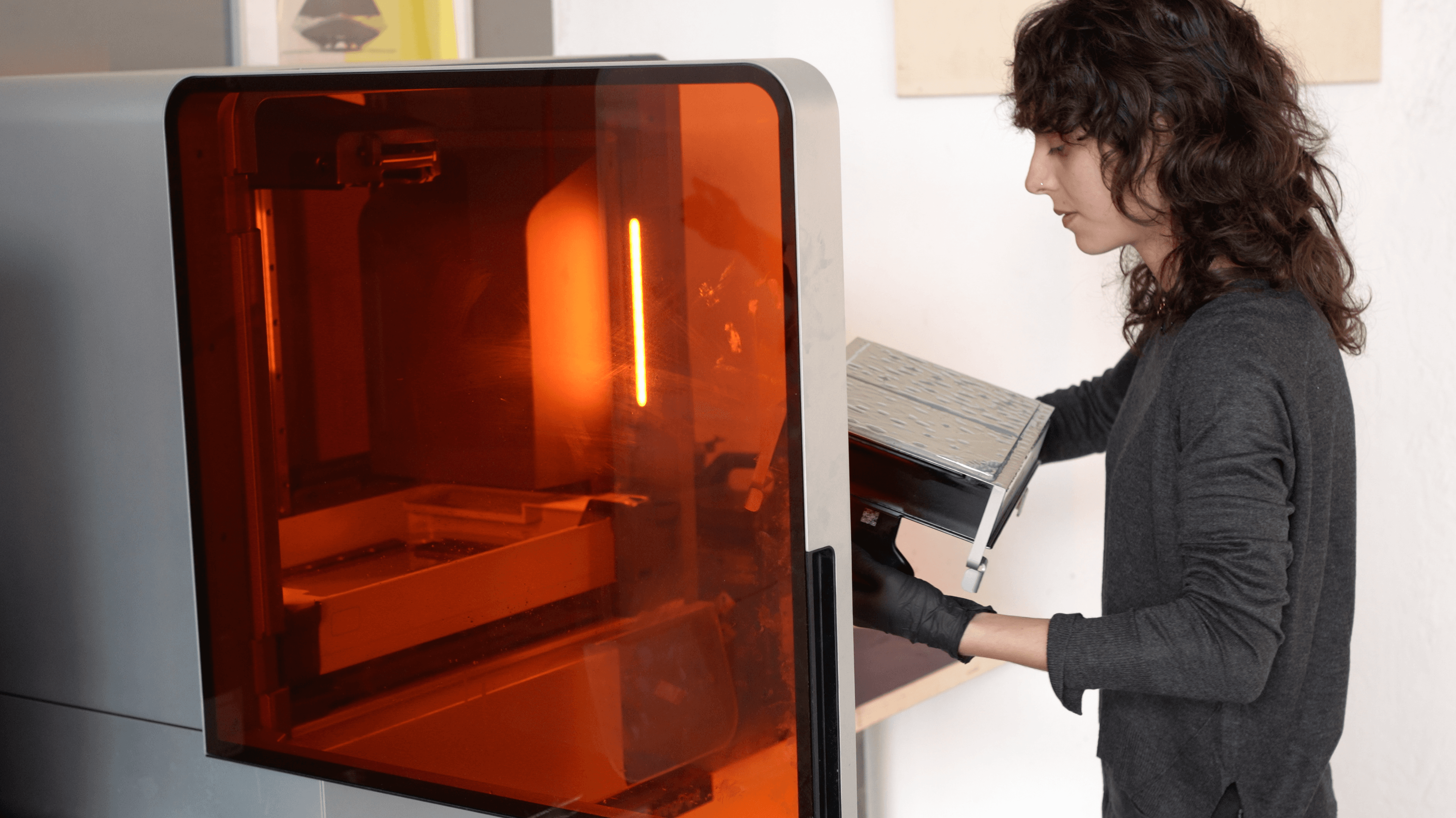
Tiles are printed on Form 4L in Fast Model Resin. (Image courtesy of the MIC)
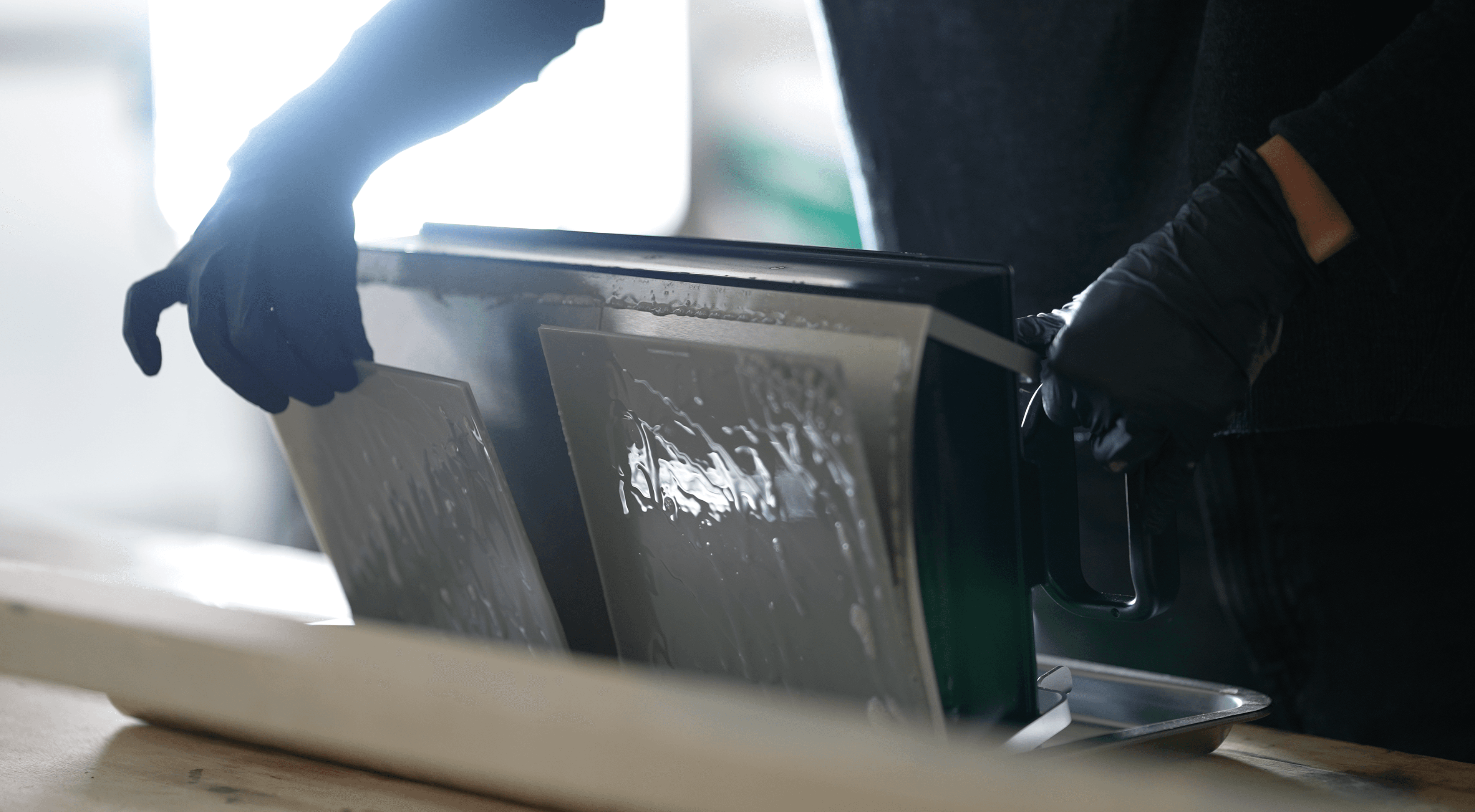
Form 4L Flex Build Platform makes removing the tiles in seconds easy, and eliminates the need for supports. ((Image courtesy of the MIC)
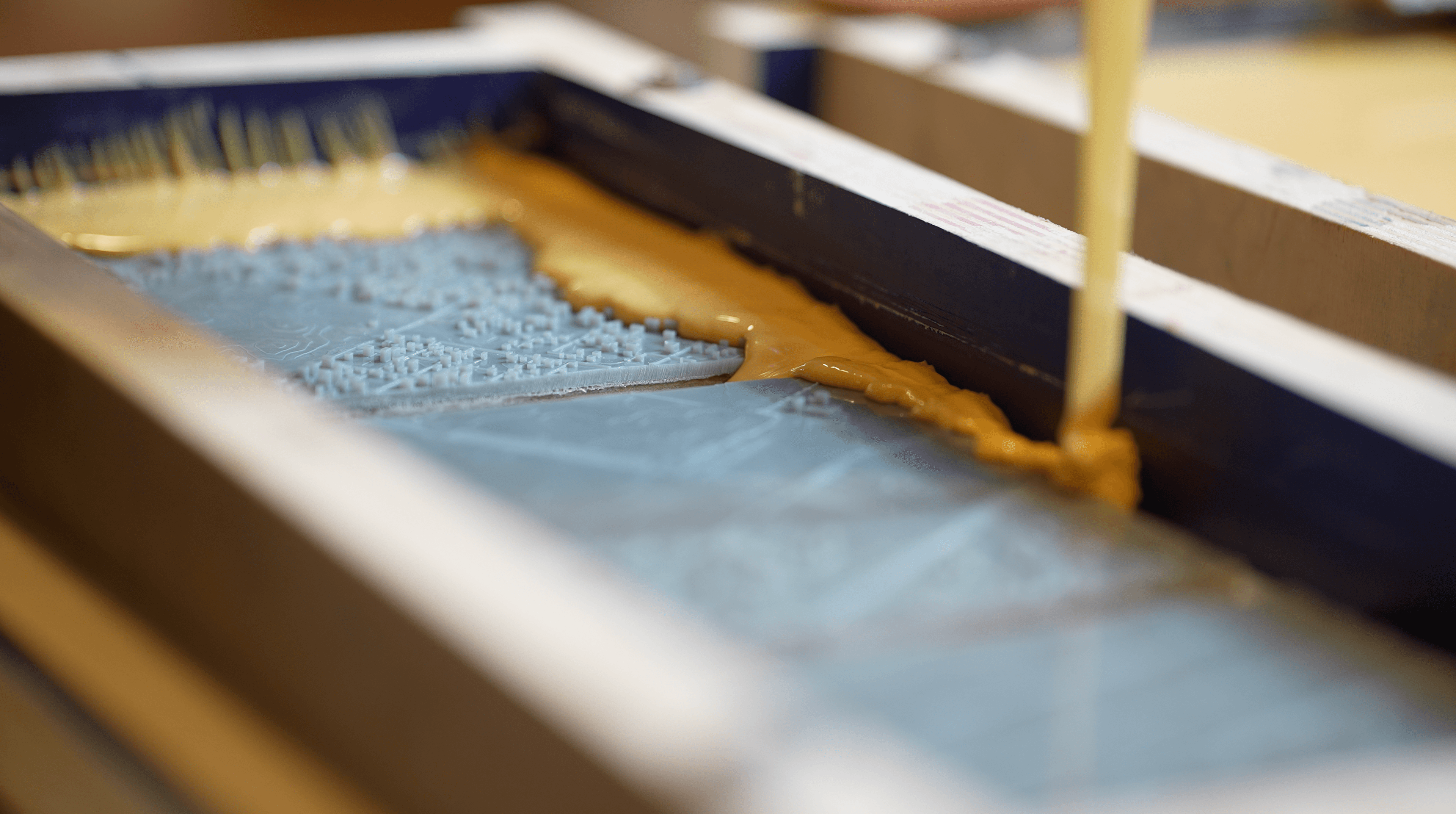
Once printed and post-processed, molds are made from the 3D printed tiles. (Image courtesy of the MIC)
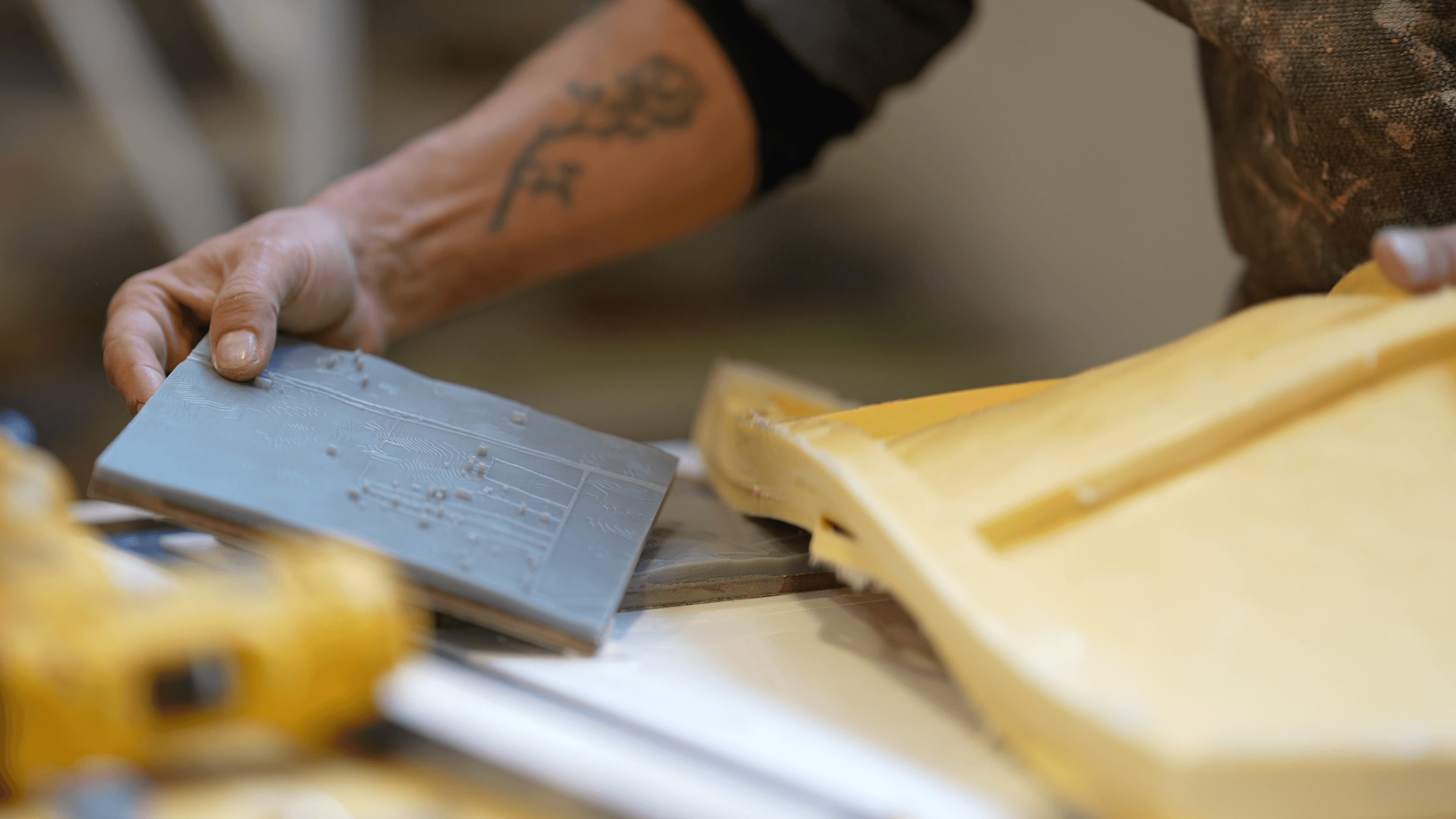
After the molds have set, the 3D printed tiles are removed before the terracotta is cast. (Image courtesy of the MIC)
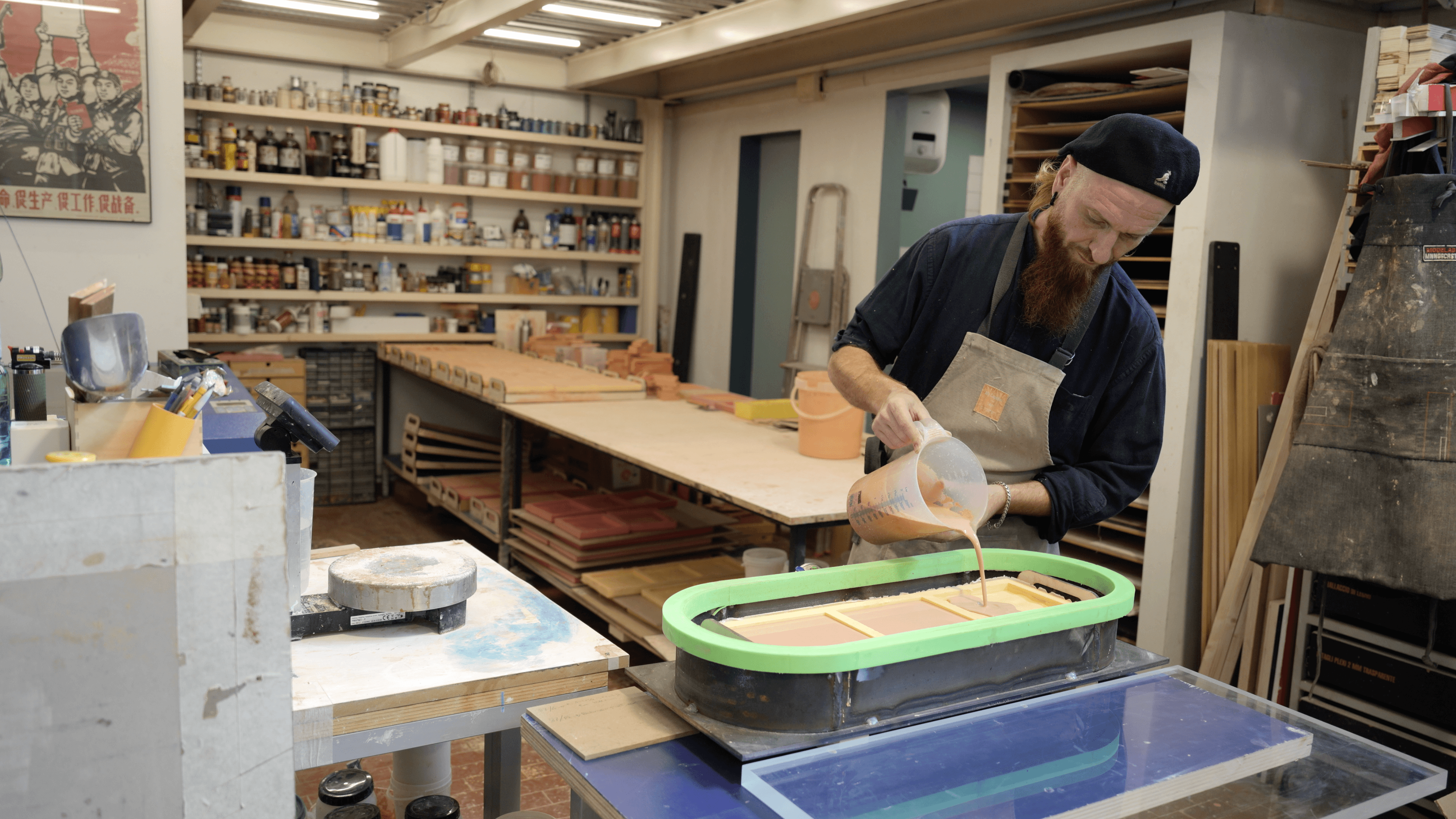
Slip is poured into the molds. (Image courtesy of the MIC)
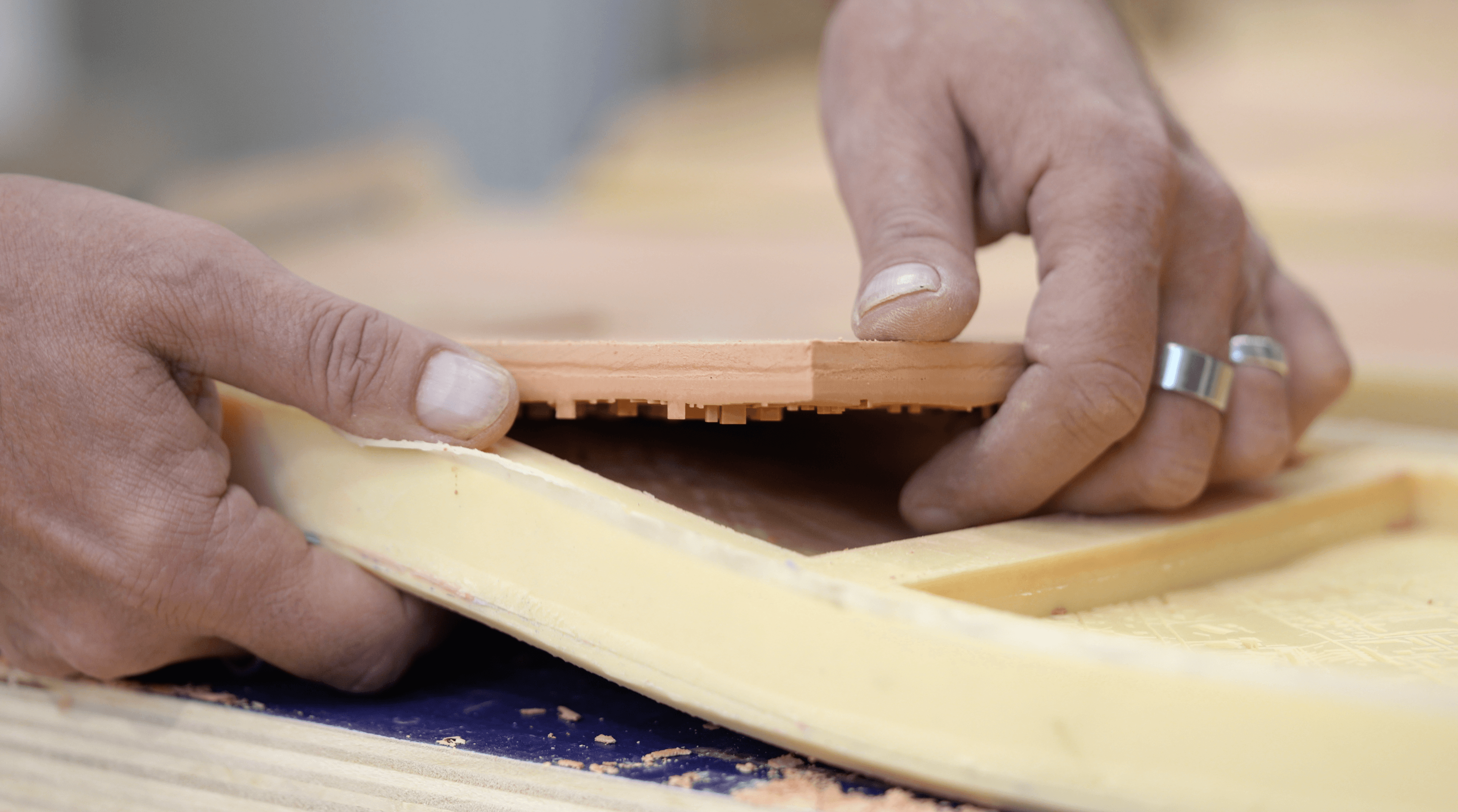
Cast tiles are carefully removed. (Image courtesy of the MIC)
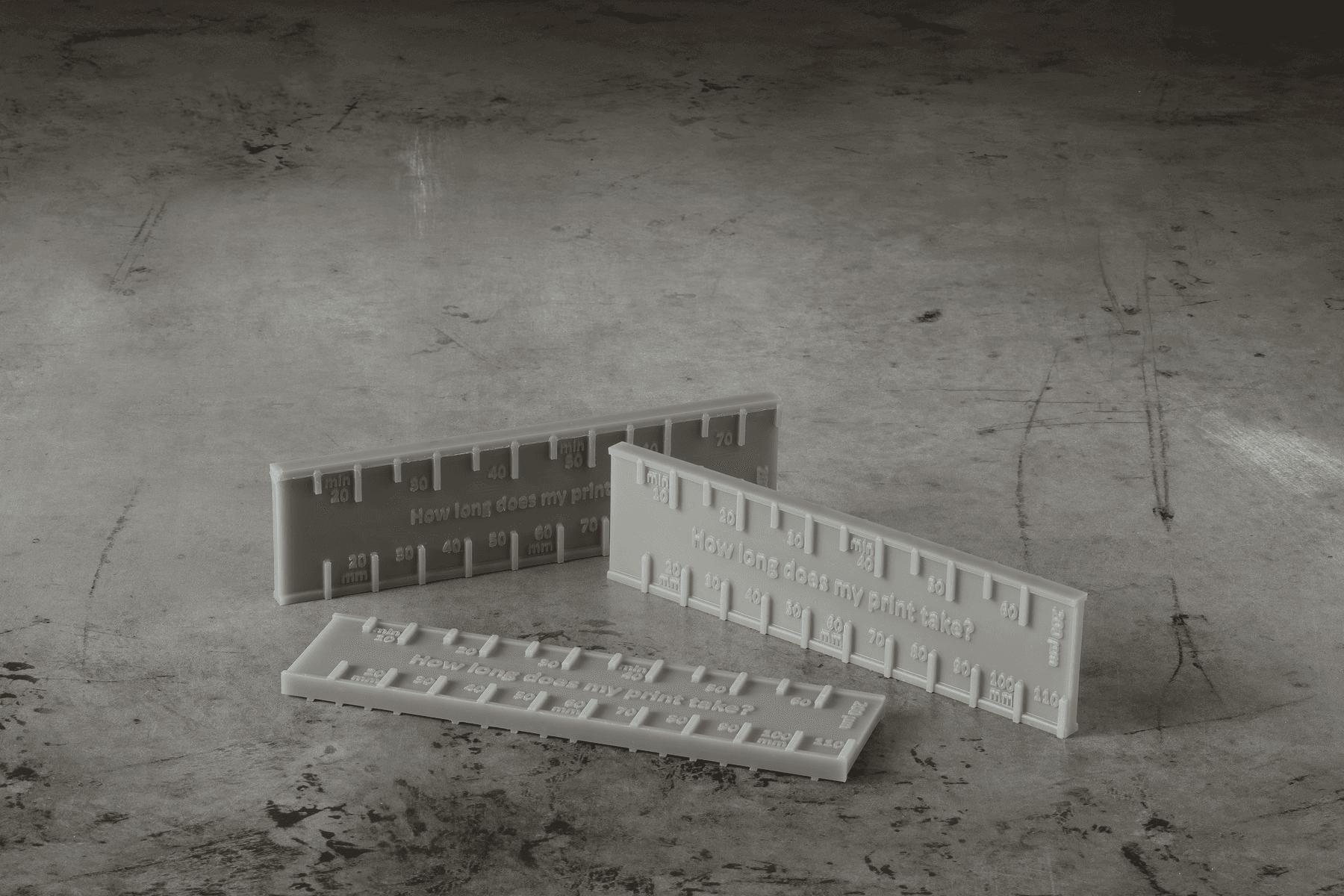
Request a Fast Model Resin Sample Part
See and feel Formlabs quality firsthand. We’ll ship a 3D printed sample part to your office.
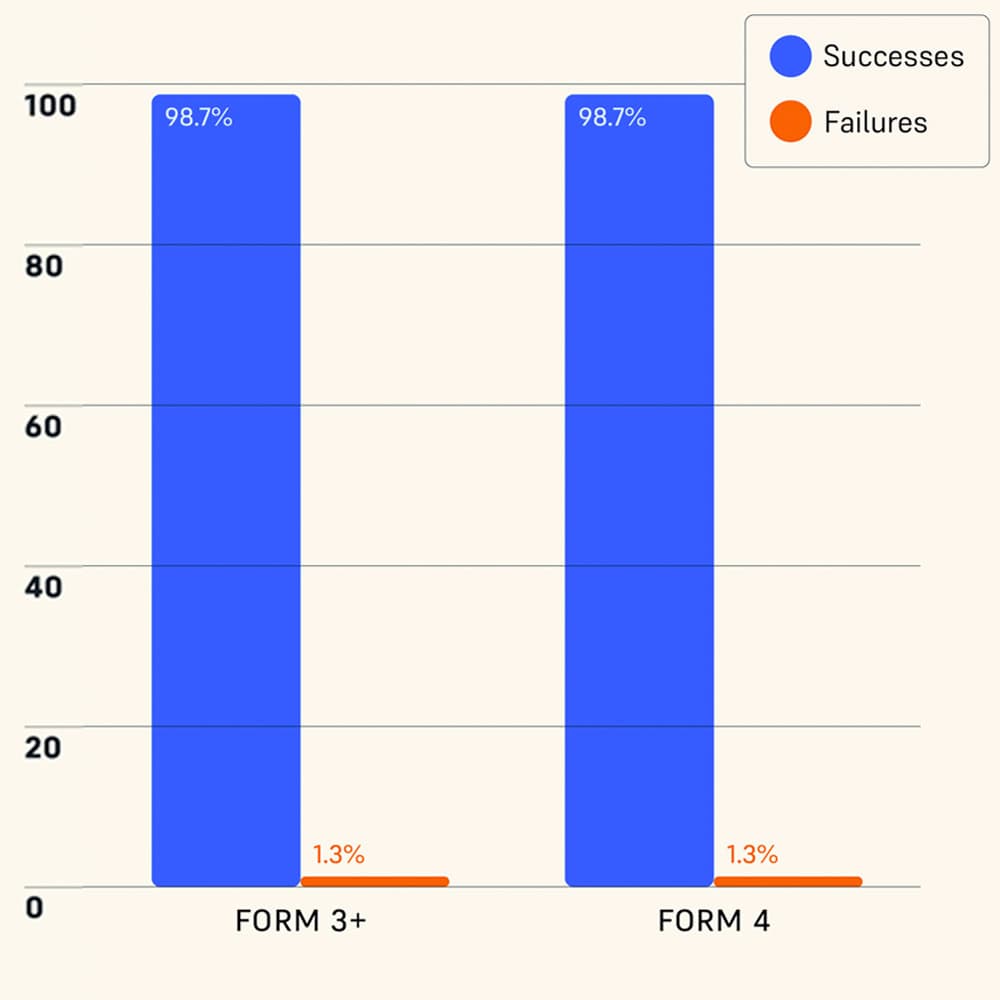
Independently Tested Reliability of Form 4 and Other Resin 3D Printers
Formlabs Form 4 was measured to have a 98.7% print success rate by an independent global leader in product testing. Read a complete description of the test methodology and see the results in our white paper.
The Impact: An Imposing Installation
The 48 m2 (~516 ft2) scale model at MAXXI is imposing, commanding the attention of visitors and immersing them in the city. Projected infographics and data on the surface of the map change it, making it a dynamic exhibition and educational tool that conveys the history of Rome in a new way. Pulling off a feat of this detail and scale would not have been possible without 3D printing.
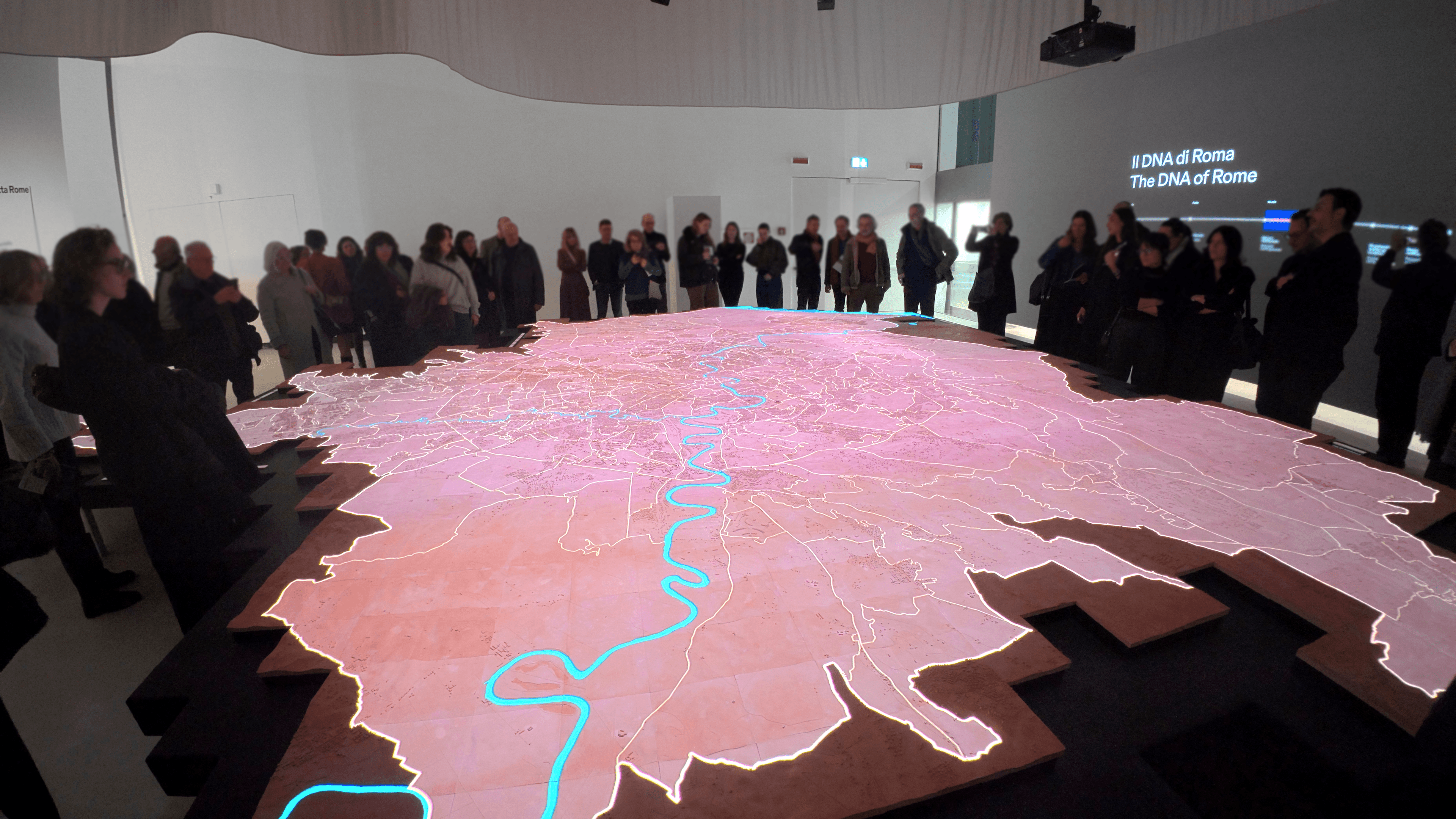
Infographics were projected over the map to give more information about the history of the city. (Image courtesy of the MIC)
“We derived a negative from the 3D CAD model: hyper-detailed shells made of 3D printed resin. These served as molds for the casting process. However, we didn’t choose the material at random. We wanted terracotta for its storytelling quality — for a texture that instantly evokes Rome’s historic materials.”
The installation, like the exhibit itself, brings together old and new: the terracotta of the final tiles connects the work to historical crafts and building materials, while the process relies on CAD and cutting-edge 3D printing technology.
Explore Form 4L or contact sales to start printing, or request a sample part to evaluate Formlabs materials for yourself.